Souk Semmarine
Souk Semmarine Marrakech is the main historic market street in Marrakech’s old city. Wander through its narrow...
Read article
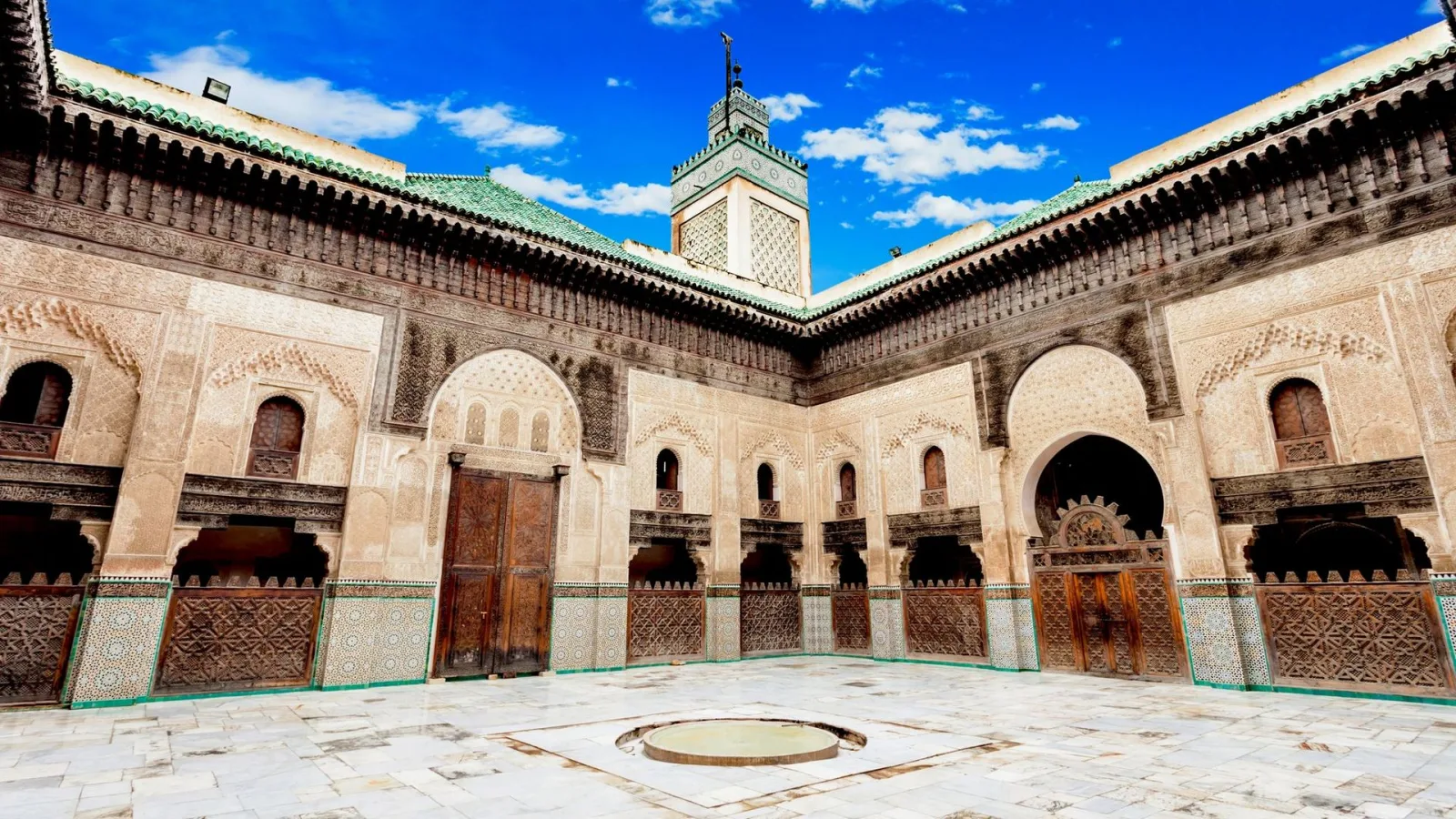
Bou Inania Madrasa Meknes is undoubtedly one of the most stunning historical sites in Fez city.
This madrasa, situated right in the middle of the city, is famous for its scrupulous details, tranquil mood, and the art of Moroccan architecture. Bou Inania Madrasa history further enriches the experience, drawing in tourists, lovers of the building, and anyone who wants to be a part of Morocco's cultural heritage.
Very often, the first thing that the visitors entering the madrasa notice is the difference when it comes to calmness and silence. The sound of Meknes is gone, and instead, you get an inviting courtyard that is full of light and is adorned with patterned tiles and carved wood, showcasing the elegance of Bou Inania architecture and the beauty of Moroccan zellige tilework. Bou Inania Madrasa Meknes may refer to a place of education in Islam, yet it should also be regarded as a piece of art testifying to the skills of Moroccan artisans of the past centuries
In addition, the madrasa has been well preserved and it is thus a good place for taking photos. No matter if you are into shooting architectural, historical or simply decorative details, this madrasa is full of spots for you to get beautiful pictures.
Tell us when you can travel and we'll suggest the ideal route and season — usually within the hour.
Chat with a local expert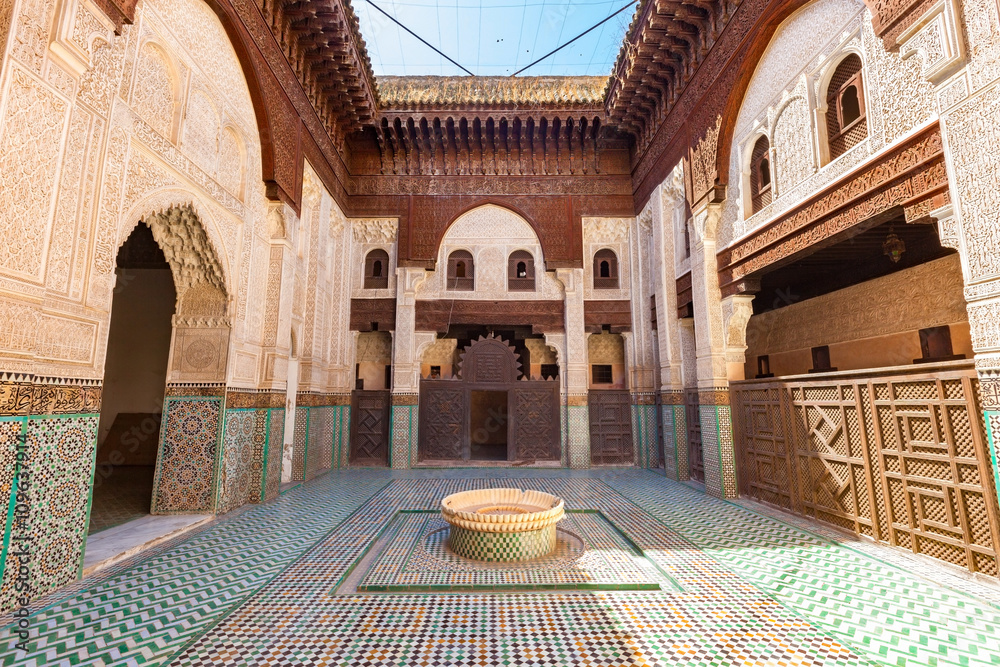
The Bou Inania Madrasa is a magnificent architectural site that marks the 14th century. It represents the splendid period of the Marinid dynasty in Morocco, which is characterized by a great emphasis on education and the development of architecture. Bou Inania Madrasa history highlights this era beautifully, and among the several madrasas that the Marinid rulers built in different parts of Morocco, Bou Inania Madrasa Meknes stands out as one of the best, especially admired for its remarkable Bou Inania architecture.
This mosque and faculty of theology, whose teaching was largely limited to the Islamic subjects like law, Quran, and many others, was also a place for lodging for the students who came from far-off places to take religion, science, and literature. The building was designed to accommodate the students with small rooms, prayer halls, and open courtyards promoting quiet study and contemplation.
The history of the Bou Inania Madrasa can be perceived in every part of the building. The walls recapitulate the tales through their mosaics, engravings, and Arabic writing on the walls. The majority of these adornments were done by the hands of the very skilled craftsmen, who applied the techniques that are still very much admired.
A visit to this mosque gives you an opportunity to step in the past and grasp how education became a key pillar of Moroccan culture.
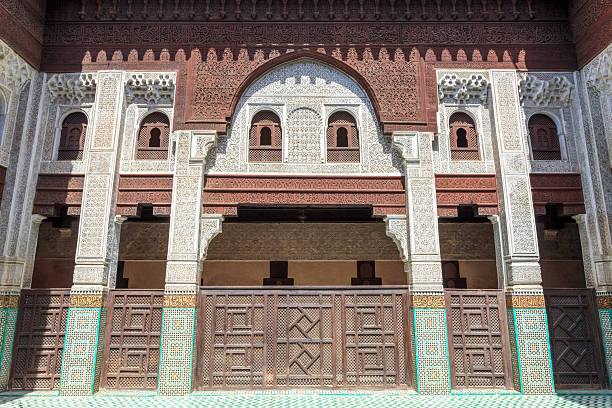
One of the top attractions of the Bou Inania architecture is the fact that this madrasa was built.
The mosque is home to some of the finest examples of Moroccan artistry.
The whole design from the zellige tiles to the carved cedar wood was done in a very skilled as well as time consuming manner.
The list of the Bou Inania architecture's key features is as follows:
All of these are combined to provide a cool and graceful space. The direction of the madrasa is a testament to the Moroccan philosophy of beauty and spirituality being interlinked. The visitors usually like the courtyard, where they can enjoy the silence and the fine details of the artistry, often checking the Bou Inania Madrasa opening hours to make the most of their visit.
The visitors who explore the madrasa also come to realize the talent of the Moroccan craftsmen who made these masterpieces working with their hands. The Bou Inania architecture still is one of the most breathtaking examples of the Islamic design in Morocco.
 Morocco Travel Guide
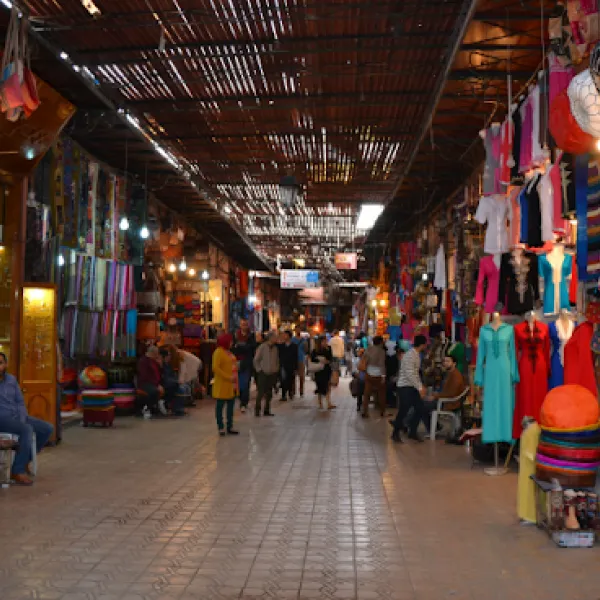
 Souk Semmarine Marrakech is the main historic market street in Marrakech’s old city. Wander through its narrow...
 Morocco Travel Guide
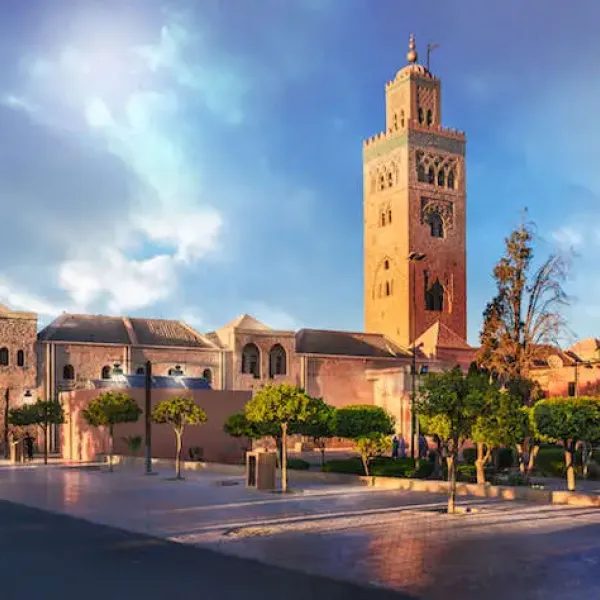
 The Koutoubia Mosque Marrakech is the city’s most iconic landmark, known for its tall minaret, beautiful garde...
 Morocco Travel Guide
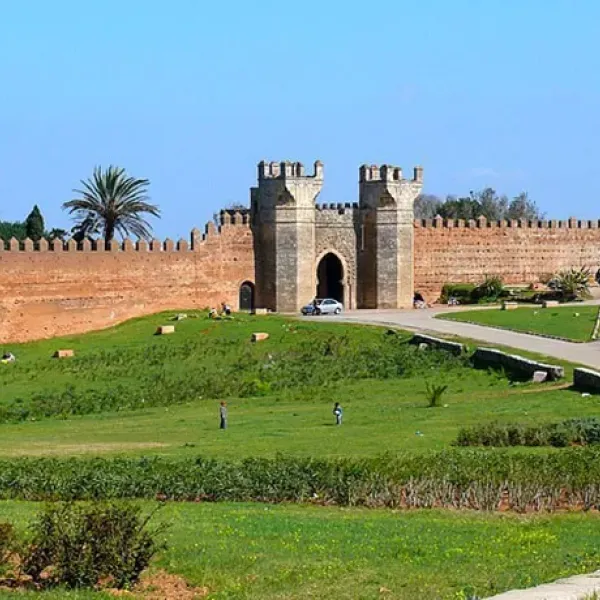
 Chellah Rabat is a stunning historic site featuring ancient Roman ruins, medieval Islamic architecture, and pe...
Get our best Egypt travel tips and itineraries in your inbox — join our travel list.