Celebration Grand Egyptian Museum opening 1/11/2025
On the first day of November 2025, the Grand Egyptian Museum opened its doors to the public with a great celeb...
Read article
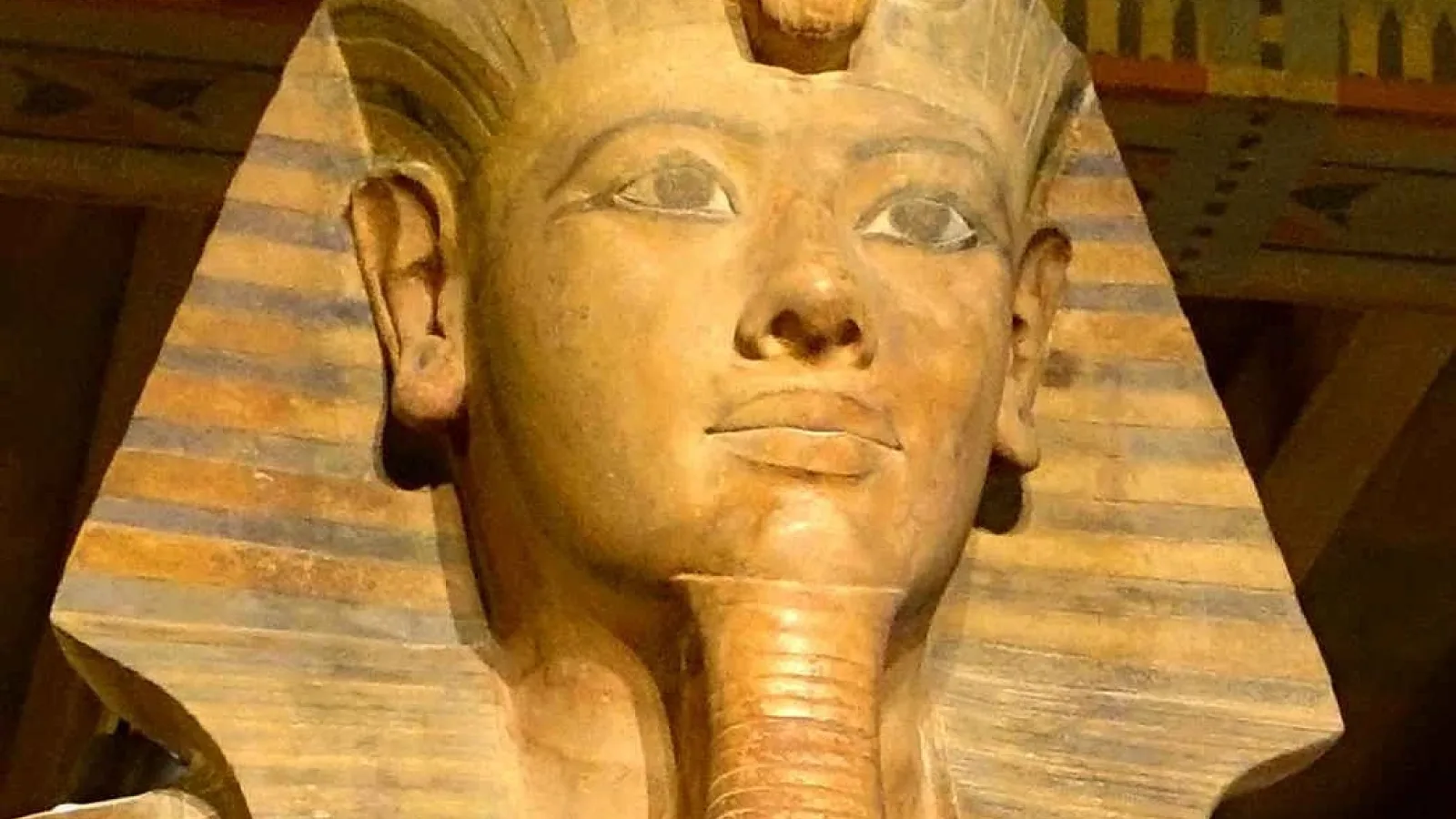
King Tutankhamun, famously known as King Tut, remains one of the most intriguing figures in ancient Egypt. His tomb, discovered by Howard Carter in 1922, is considered one of the greatest archaeological discoveries of all time. The mystery surrounding his life, early death, and the treasures buried with him continues to captivate historians, archaeologists, and travelers exploring Egypt during their Egypt Tours. In this blog, we embark on a journey through the life of the boy king, the secrets of his tomb, and his lasting impact on history.
King Tutankhamun governed the Egyptian 18th Dynasty from circa 1332 to 1323 BCE during the New Kingdom as part of the pharaohs who ruled ancient Egypt. The pharaoh became king during his ninth year and led a ten-year rule before passing at eighteen or nineteen years old.
During his brief nine-year reign Tutankhamun assisted in re-introducing traditional Egyptian religious practices because his predecessor Akhenaten had imposed sun worship of Aten upon the people. His rule restored the devotion to Amun and shifted Thebes back to its position as the religious capital.
Tell us when you can travel and we'll suggest the ideal route and season — usually within the hour.
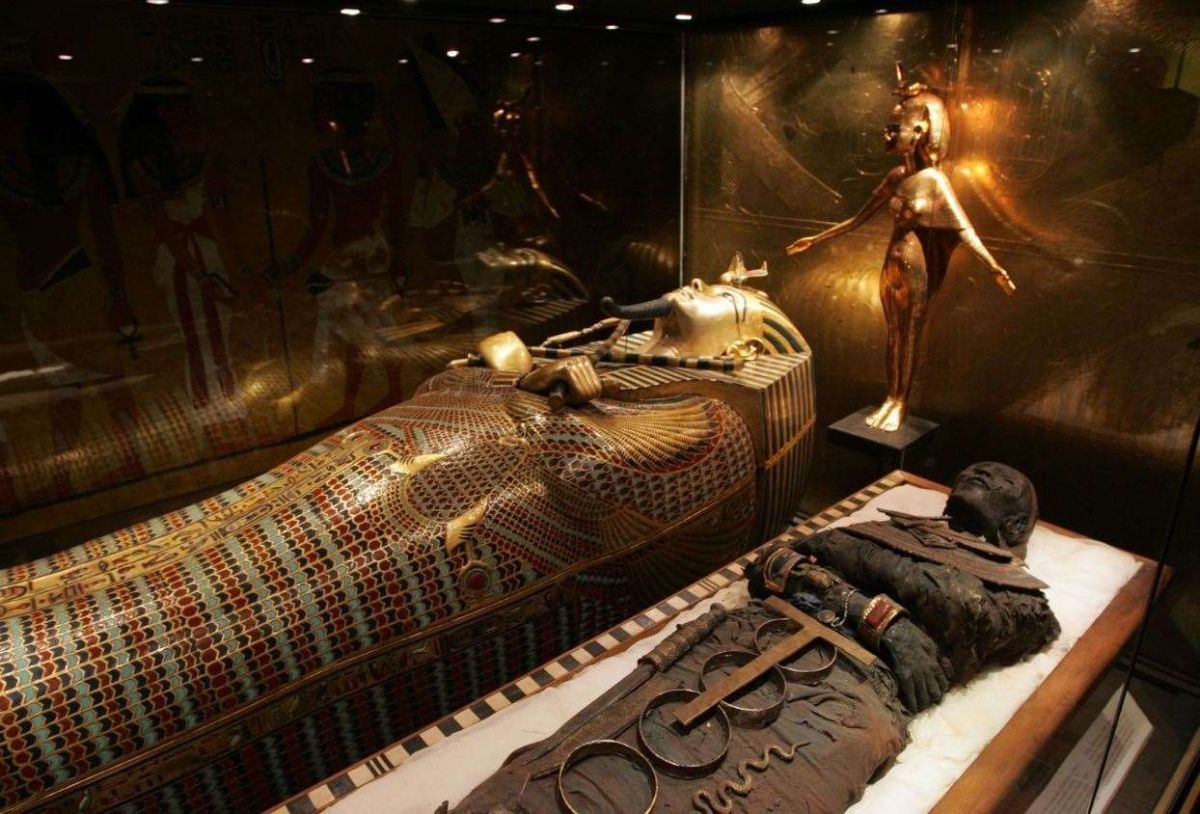
Chat with a local expertOn November 4, 1922, British archaeologist Howard Carter made a discovery that would change the world’s understanding of ancient Egypt—the untouched tomb of King Tutankhamun in the Valley of the Kings near Luxor. Unlike other royal tombs that had been looted over the centuries, Tutankhamun’s final resting place remained remarkably intact, holding over 5,000 priceless artifacts. Among them was the stunning golden mask of King Tut, which became a symbol of ancient Egyptian splendor.
We'll tell you honestly what the weather and crowds are really like for your travel dates.
Chat with a local expertResearchers continue to puzzle over the actual manner of death that befell King Tutankhamun. Several explanations emerge to describe the reasons behind King Tutankhamun's death.
1. Medical tests reveal that King Tut got malaria and suffered from a bone condition which may have made his immune system weak.
2. Doctors confirm his death by trauma after finding a broken leg which points to a potential accident especially from a chariot crash.
3. Research disproves the assassination theory because scientists found no evidence of foul play even though early researchers suggested he died by murder.
His early death prevented a proper burial because of which his tomb stands as a simple structure compared to other pharaoh tombs.
King Tutankhamun’s legacy endures not because of his reign, but because of the astonishing discovery of his nearly untouched tomb. Several factors fueled his worldwide fame: the mystery of his death, the so-called ‘Curse of the Pharaohs,’ the breathtaking treasures found in his burial chamber, and the media frenzy that surrounded Howard Carter’s 1922 discovery. To this day, millions visit Egypt to admire his artifacts, preserved in unparalleled beauty at the Grand Egyptian Museum and the Valley of the Kings.
The burial chamber of Tutankhamun housed many treasures which are now shown at the Grand Egyptian Museum in Giza. The most striking artifacts discovered in the collection include A solid gold mask that weighed 24 pounds and lay upon his mummy became one of the most famous Egyptian artifacts to the world.
The deceased received sacred items along with him even post-death which included furniture pieces and statues. These artifacts showcased the enriched craftsmanship and abundant production of the Eighteenth Dynasty through which historians gained insights into how Egyptian burial traditions were prioritized in antiquity.
King Tutankhamun stands as the most fascinating and renowned historical figure in Egyptian history. Archaeology experienced a game-changing revolution through the discovery of his tomb because it brought forth invaluable information about ancient Egyptian royal customs and lifestyle. King Tut's impressive heritage endures because people find his artifacts appealing and his disappearance perplexing and his burial procession remarkable.
Those who want to see the treasures of Egypt's history can experience the brilliance of King Tutankhamun's objects at both the Grand Egyptian Museum and the Valley of the Kings during Cairo historical tours.

Experience a rich blend of ancient and modern history on a Day Tour to the Pyramids Cairo, exploring the iconic Giza Pyramids one of the Seven Wonders...
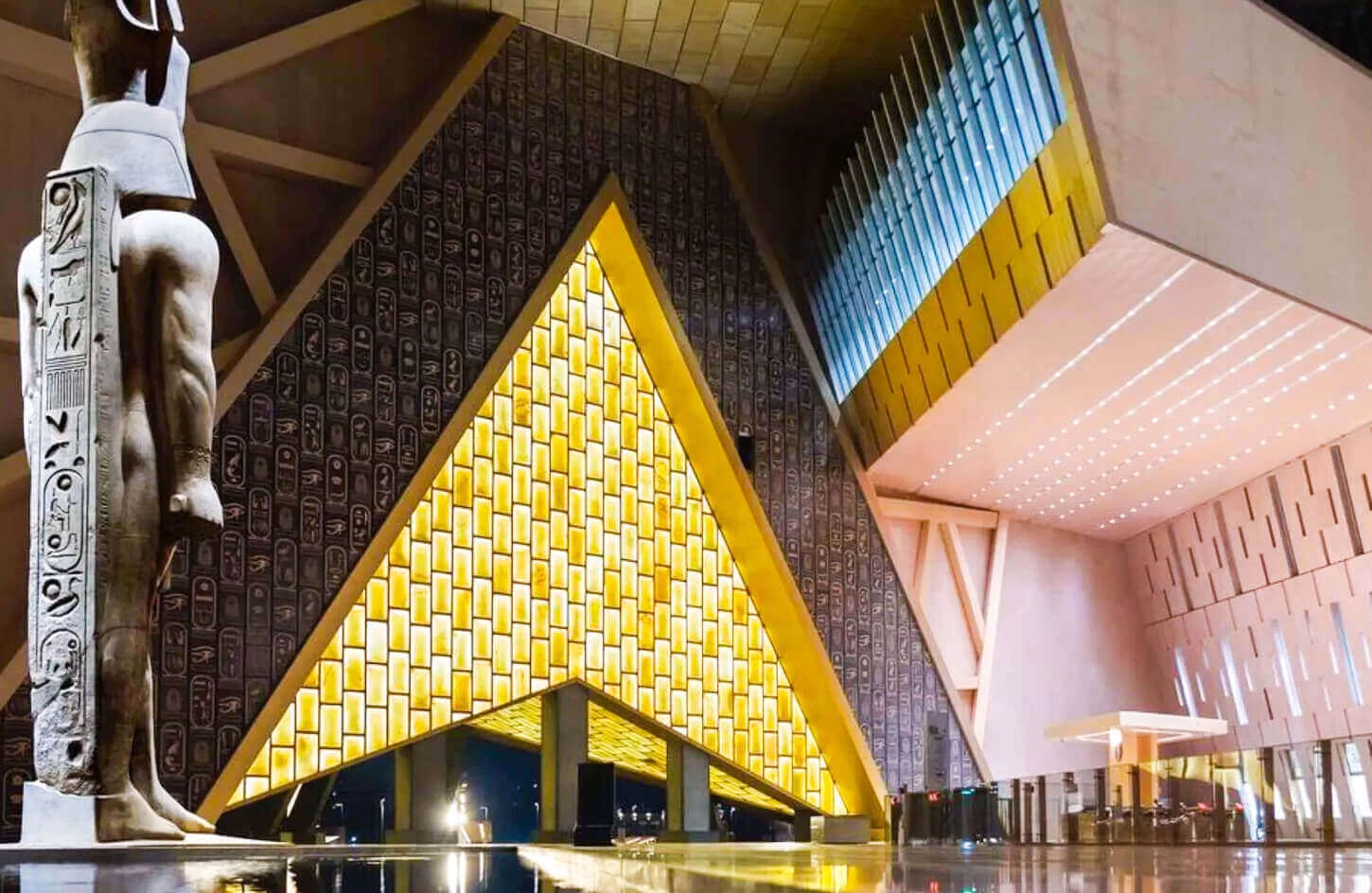
Enjoy a guided Pyramids day trip and a Grand Egyptian Museum Tour during your Cairo day tour, exploring the iconic Giza Pyramids, world class artifact...
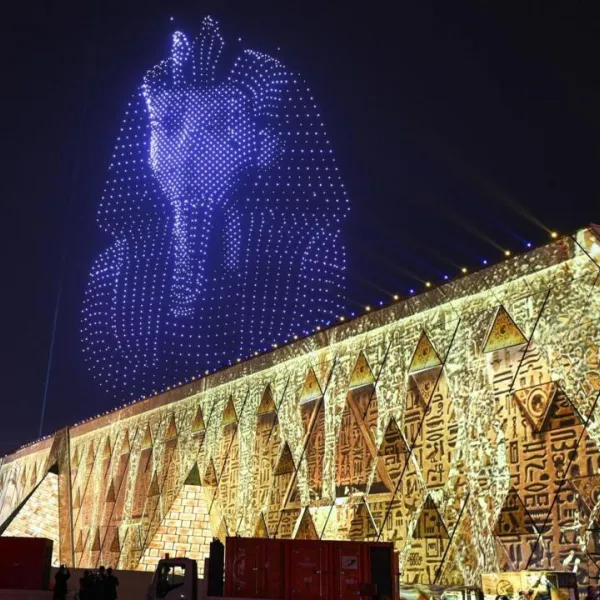 Egypt Landmarks
 On the first day of November 2025, the Grand Egyptian Museum opened its doors to the public with a great celeb...
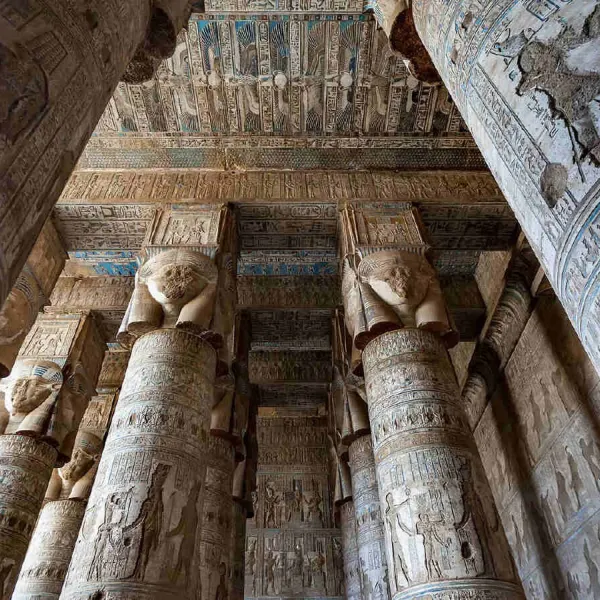 Egypt Landmarks
 Take a short journey from Luxor to Dendera to discover one of the most unique temples in Egypt the beautifully...
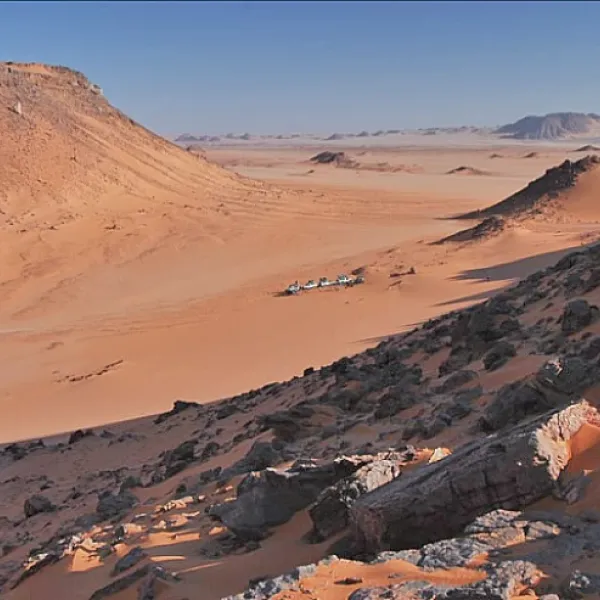 Egypt Landmarks
 Dakrour Mountain, located in the Eastern boundary of Siwa Oasis in Egypt's Western Desert, is a spiritual and...
Get our best Egypt travel tips and itineraries in your inbox — join our travel list.