Souk Semmarine
Souk Semmarine Marrakech is the main historic market street in Marrakech’s old city. Wander through its narrow...
Read article
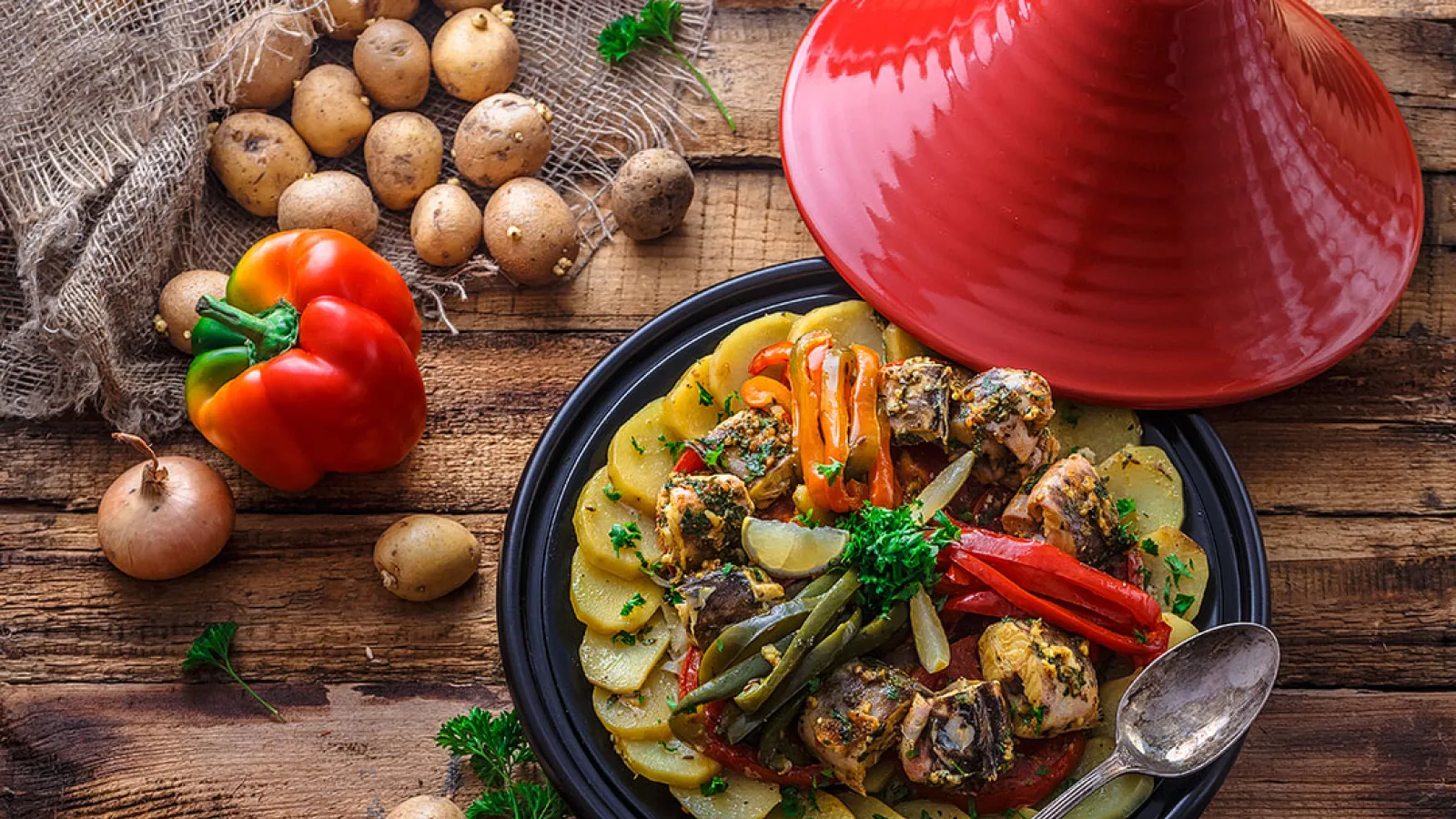
Moroccan cuisine has become the most famous among the Mediterranean with the slow cooked dishes that reflect centuries of culture and tradition. It has the characteristic warm spices, the rich smells, and the blending of Amazigh, Arab, Mediterranean, and Andalusian influences. Each bite is a story when tasted. The combination of fresh vegetables, olives, preserved lemons, herbs, and top notch spices makes Moroccan food unforgettable because of the various flavors that have been created. This is why traditional Moroccan food remains a must-try for anyone looking to experience the authentic flavors and heritage of Morocco
Spices are the key players in Moroccan cooking. The famous mixture ras el hanout consists of more than a dozen spices to add flavor to the dishes. The other most frequently used spices in everyday cooking are cumin, turmeric, paprika, cinnamon, saffron, and ginger. Besides being flavoring, these spices have always been a part of the Moroccan identity and are being used in the same manner as in old times. In cities like Marrakech, Moroccan dishes are often served at homes or restaurants from large plates and shared, which symbolizes the country's very strong hospitality culture. Eating is bringing people together, telling stories, and having connections.
To some extent, one can say that Moroccan cuisine is an expression of history, tradition, and the Moroccan way of life. However, being involved in some Moroccan cooking at home or feeding one’s self with the dishes at a local market will surely make one feel the warmth and richness that characterize this cuisine immediately.
Tell us when you can travel and we'll suggest the ideal route and season — usually within the hour.
Chat with a local expert
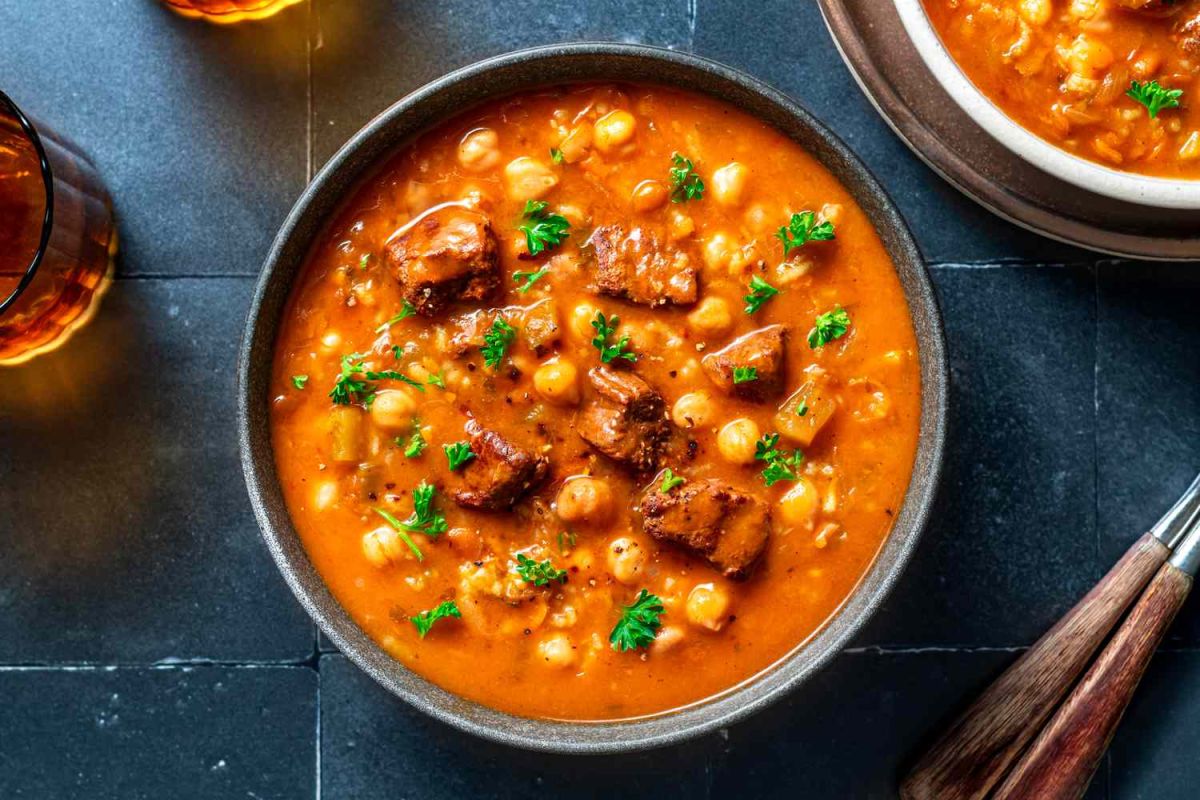
When in doubt about what to eat, you'll find that Moroccan dishes encompass numerous taste experiences instead of a single flavor. A wonderful dish to have as a start is Harira soup, which has won the hearts of people all over Morocco and has become one of the most famous recipes.
Harira soup, composed of tomatoes, lentils, chickpeas, celery, and fresh herbs, is both rich and powerful in taste at the same time. To break the fast, the soup is most commonly served at Ramadan, but it is also served throughout the year as a starter or a light meal.
Couscous is one of the most legendary dishes and it is often regarded as the national dish of Morocco. Traditionally, it is served on Fridays and is accompanied by vegetables, tender lamb or chicken, caramelized onions, and sweet raisins. It is a dish that is warm and well balanced, and that symbolizes gathering and family traditions. Moroccan salads like zaalouk, a smoky mixture of eggplant and tomato and taktouka made of bell peppers and tomatoes, are also served at the meals adding some freshness and color.
Khobz which is Moroccan bread is yet again a major part of people's lives. It is usually baked at home or in the neighborhood's communal oven and on the side, it is used to pick up sauces, meat, and vegetables, almost like a utensil. Moroccan sweet pastries are special throughout the holidays and are part of the celebrations. Sweets like chebakia, sesame honey cookies, and sellou, a sweet nutty powder, are dishes that are served to the guests in holidays and gatherings.
The moment you set your foot in Morocco, the traditional Moroccan food will give you a taste of the country beyond its natural beauty.
Every meal is like a little slice of Moroccan culture and the strong bond between food, family, and culture.
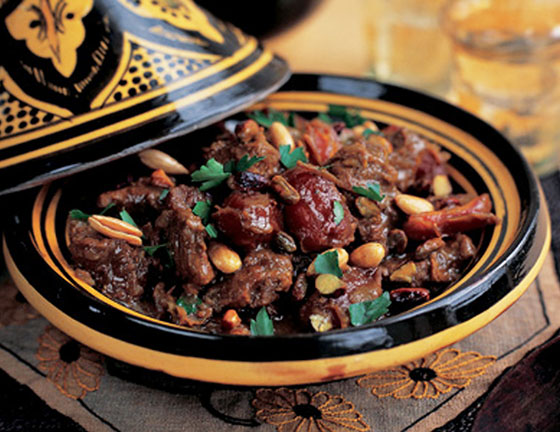
The Moroccan tagine is a signature dish that defines the food culture in Morocco. Pottery pot with a conical lid; the tagine is a slow cooked dish that consists of meats or vegetables with spices, olives, dried fruits, and preserved lemons. The pot's peculiar shape helps the steam to slowly and subtly circulate, which gives the meat or vegetables their characteristic tenderness and deep taste. The most common are chicken tagine with lemon and olives, lamb tagine with prunes and almonds, or the vegetarian tagine companied by seasonal vegetables.
Aside from tagine, Moroccan cuisine offers other remarkable dishes that it will be a sin not to explore. Pastilla, a pastry with chicken, eggs, almonds, and powdered sugar inside, tastes like heaven since it is both sweet and savory. While in Marrakech, do not miss tanjia; a dish made of slowly cooked meat prepared in clay jars and traditionally cooked in communal ovens. Street food is an additional attraction in Morocco with its array of sfenj doughnuts, grilled meats, and freshly made Moroccan pancakes among others.
Moroccan cuisine is a festival of community, flavors, and traditions. In a colorful city like Chefchaouen, when you take a sip of Harira soup, or if you taste a dish in a tagine at a nearby restaurant with a variety of flavors, you would have received the warmth and kindness of Moroccan culture that comes with every dish, thus, having the complete Moroccan culinary experience.
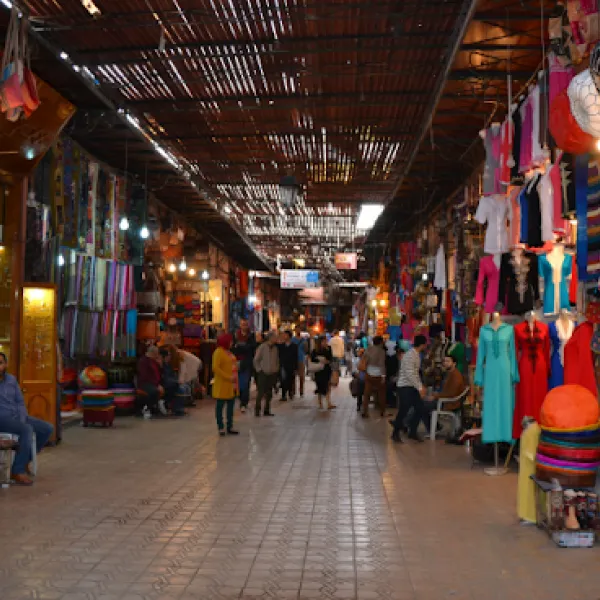 Morocco Travel Guide
 Souk Semmarine Marrakech is the main historic market street in Marrakech’s old city. Wander through its narrow...
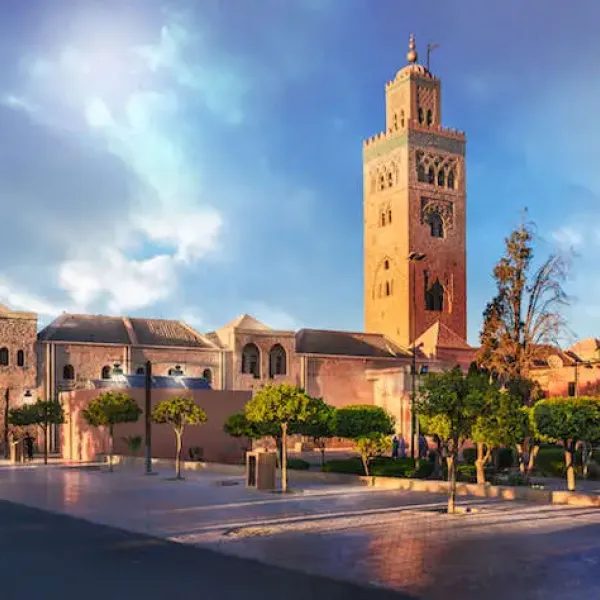 Morocco Travel Guide
 The Koutoubia Mosque Marrakech is the city’s most iconic landmark, known for its tall minaret, beautiful garde...
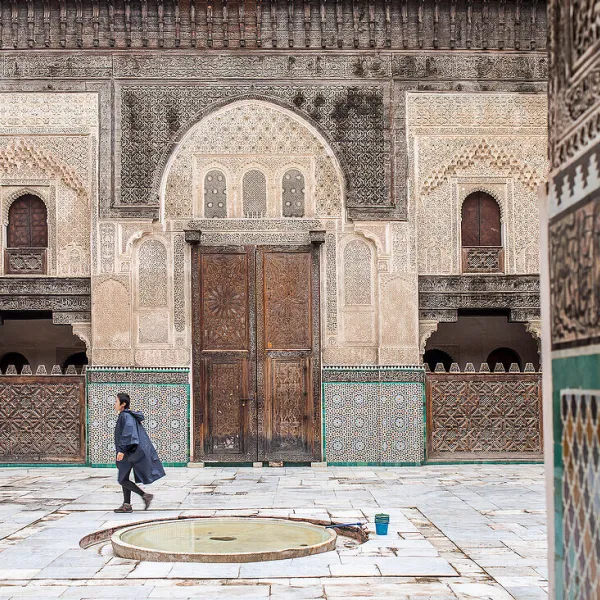 Morocco Travel Guide
 Bou Inania Madrasa Meknes is a beautiful historic school showcasing Moroccan Islamic architecture. Visitors ca...
Get our best Egypt travel tips and itineraries in your inbox — join our travel list.