Temple of Artemis : Jordan’s Ancient Gem
The Temple of Artemis in Jerash, Jordan, is a remarkable Roman era temple dedicated to the goddess Artemis. Fa...
Read article
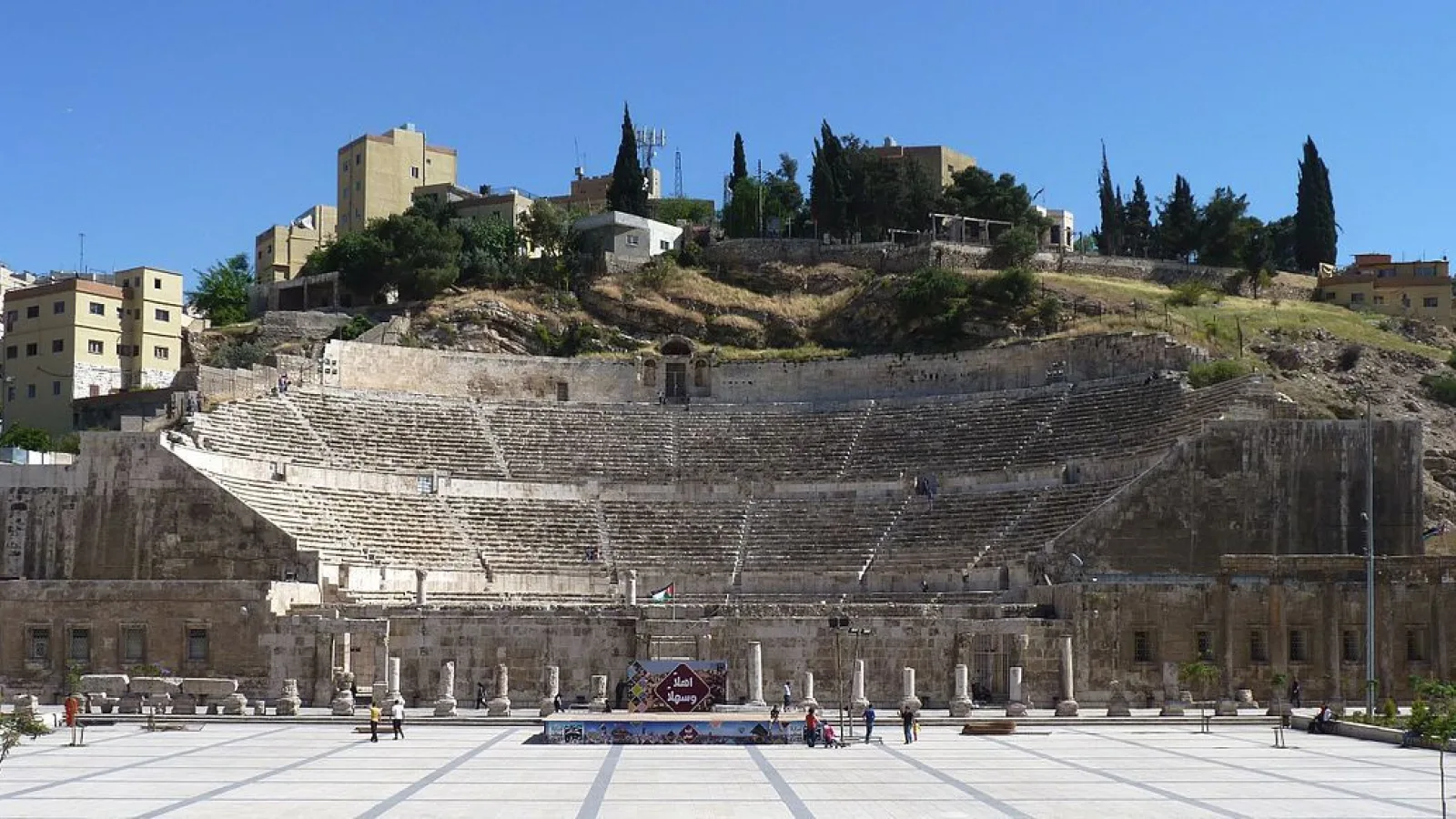
The Roman Theater in Amman is of the 2nd century A. D. and was built during the reign of Emperor Antoninus Pius (138–161 A. D.). The city of Amman was then called Philadelphia, and it was a part of the Decapolis, a confederation of ten cities with a mix of Hellenistic and Roman cultures that were very prosperous in the Middle East.
The theater was designed for 6,000 people, which is a clear manifestation of the architectural genius of ancient Rome. The northern slope of the hill was carved out for the theater, and with a sound system that was excellent because of its design, everyone in the audience was able to see and hear well. This remarkable structure was not only a place for performances and meetings but also a reminder of the city's historical and cultural wealth and its ties to the Roman Empire's magnificence.
Tell us when you can travel and we'll suggest the ideal route and season — usually within the hour.
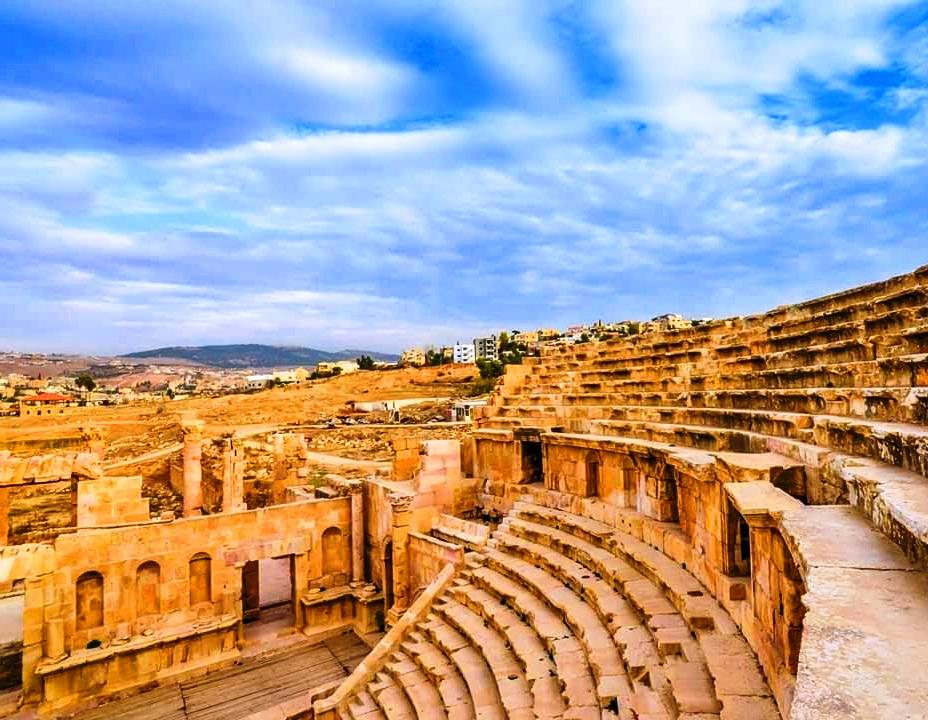
Chat with a local expertThe theaters could have an approximate capacity of 6,000 spectators who were organized into three levels:
The Roman Theater's every aspect speaks of the accuracy of Roman engineering — perfectly balanced, even, and its northward orientation, which shielded the spectators from the sun, is just one of the numerous ways of doing it.
We'll tell you honestly what the weather and crowds are really like for your travel dates.
Chat with a local expertBest Time to Visit: Early morning or late afternoon are the times when the light is perfectly fit for photography.
Entry Fee: The small entrance fee covers visiting the museums, too.
What to Bring: Wear comfy shoes, take water, and bring a camera to photograph the spectacular view of Amman from the upper rows.
Nearby Attractions: Besides the Roman Theater, you can go to Amman Citadel, which is a short walk away, and admire even more amazing ruins and enjoy nice views over the city.
In the Roman Theater complex, two compact yet interesting museums are waiting for visitors to discover:
The Jordan Folklore Museum – Presenting the wardrobe, craftsmanship, and daily life of the typical Jordanians.
The Museum of Popular Traditions – Offering the chance to see the mosaics and cultural artifacts from all over Jordan.
The presence of these museums at the site allows the visitors not just to see but also to understand the different arts and cultures that have formed in Jordan throughout the ages.
The Roman Theater in ancient times was the focal point of public life in Philadelphia. It was the site of very dramatic performances, musical shows as well as public celebrations linking the people of the city to the great Roman world.
Theater is still a cultural center today, and it is a place where concerts, plays, and even national holidays take place. Its conservation speaks of Jordan's commitment to both the historical heritage and the different ways to keep the culture alive through the use of traditional practices.

On a 9-day trip to Jordan you'll see the real magic of this country and get to know it through history, culture, and nature. Jordan's top places such...
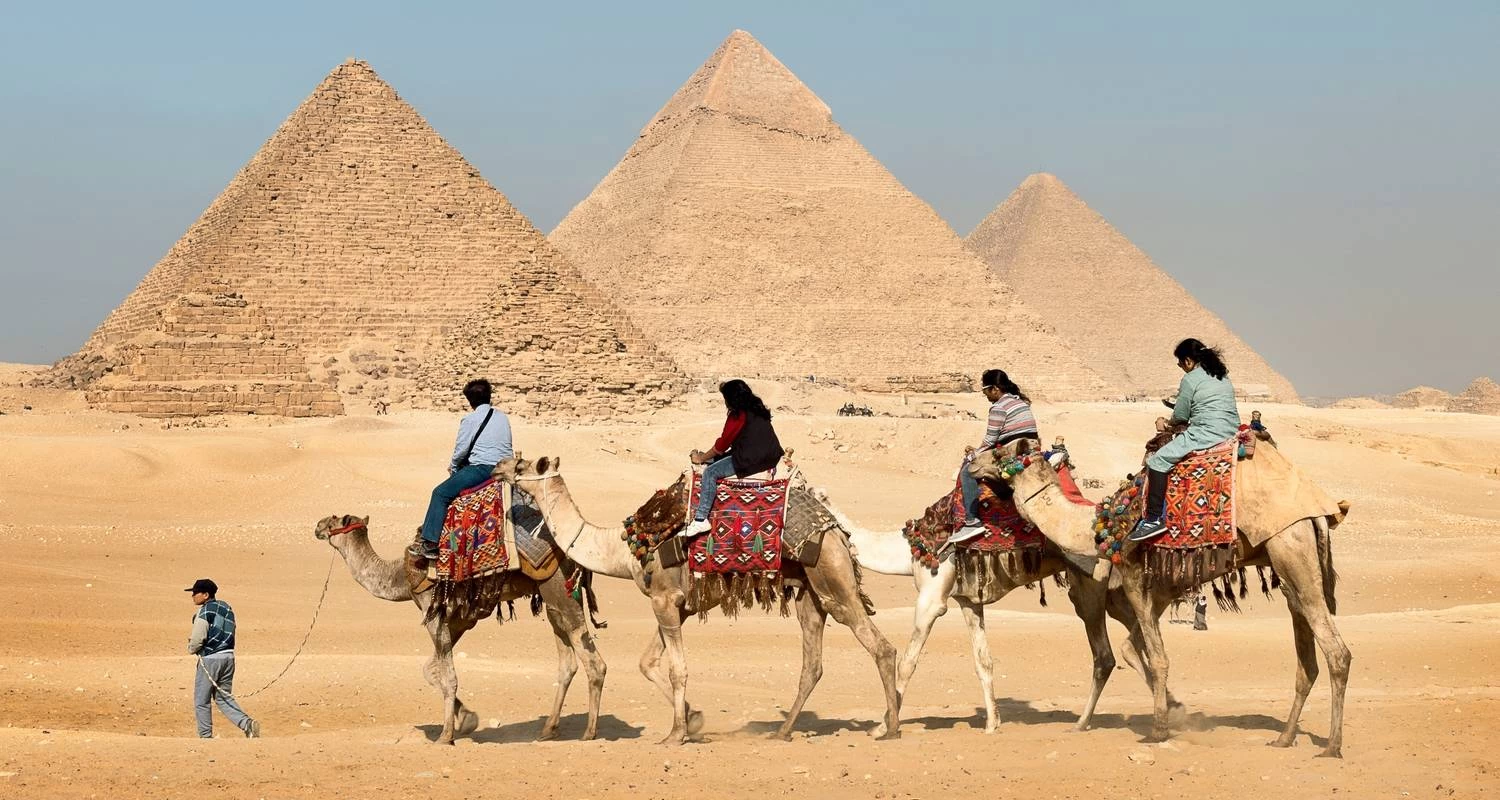
Explore our 15-day, 14-night Grand Tour through Egypt, Jordan, and Dubai. See the pyramids, explore the Middle East Tours Petra and the Dead Sea, and...
 Jordan travel guide
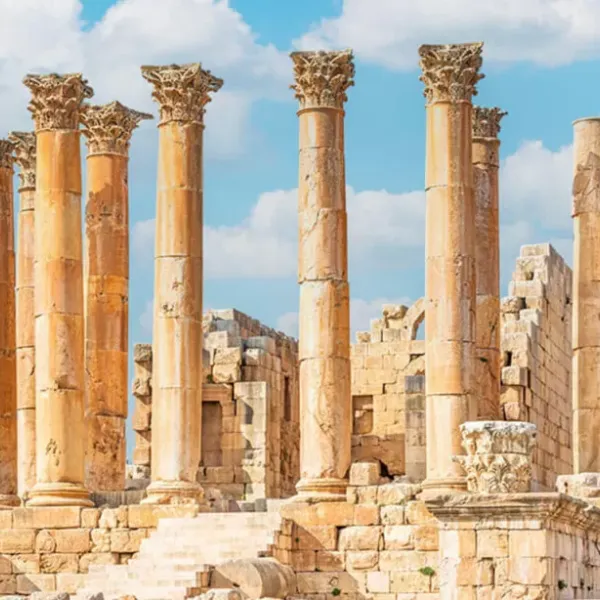
 The Temple of Artemis in Jerash, Jordan, is a remarkable Roman era temple dedicated to the goddess Artemis. Fa...
 Jordan travel guide
 Nestled deep within the rugged mountains of southern Jordan lies one of the world’s most awe-inspiring natural...
 Jordan travel guide
 Discover Wadi Al-Mujib Jordan, a breathtaking nature reserve where desert cliffs meet flowing rivers and unfor...
Get our best Egypt travel tips and itineraries in your inbox — join our travel list.