Temple of Artemis : Jordan’s Ancient Gem
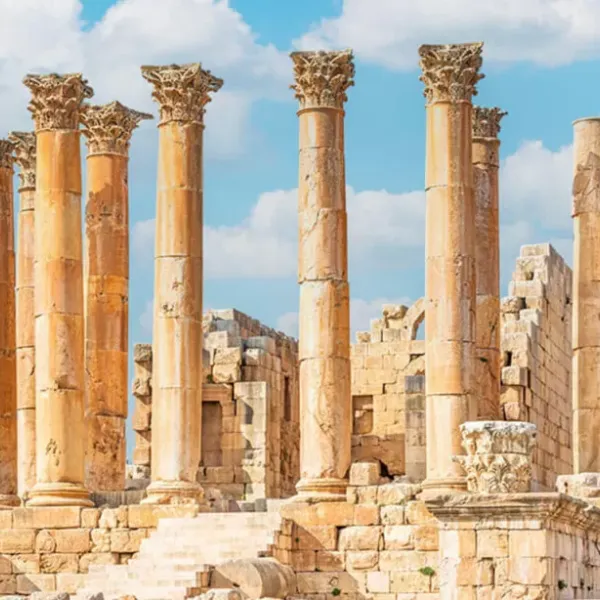
The Temple of Artemis in Jerash, Jordan, is a remarkable Roman era temple dedicated to the goddess Artemis. Fa...
Read article
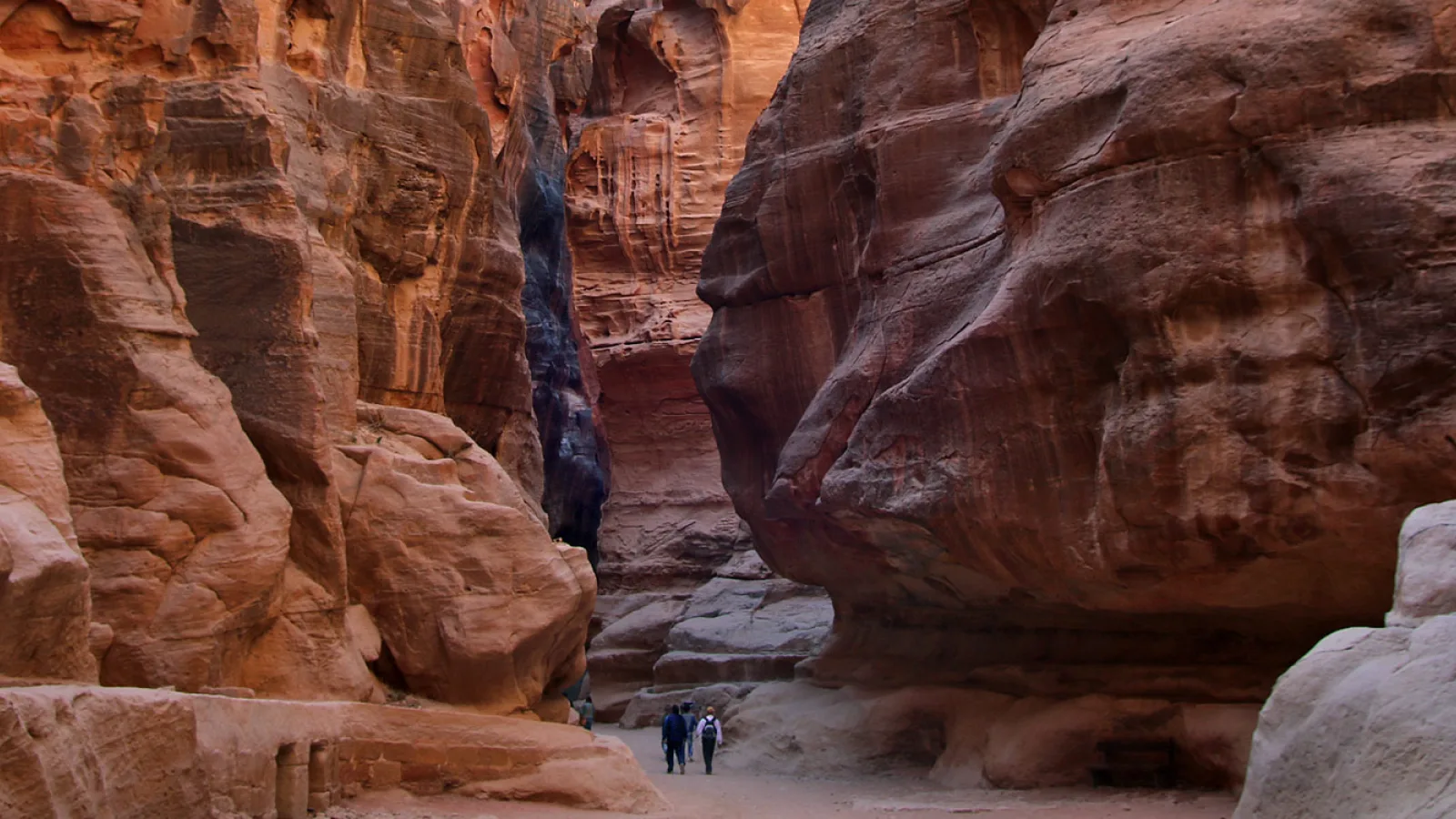
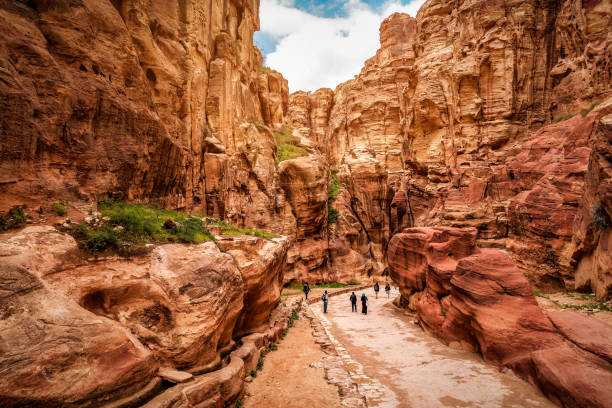
The Siq is a narrow canyon of approximately 1.2 kilometers (0.75 miles), winding its path between towering cliffs on either side that rise to 80 meters (260 feet). The natural geological forces formed the Siq when the mountain was split because of tectonic activity, and water, over long years, polished and etched the smooth and multicolored sandstone walls that stand today.
Here, you can remember red, pink, and gold hues that change wonderfully under the desert sun. With every bend in the Siq, you travel a chapter in Petra's grand story.
Tell us when you can travel and we'll suggest the ideal route and season — usually within the hour.
Chat with a local expertEqually more than a natural wonder, the Siq served several roles in the defense and ceremonial architecture of Petra. The Nabataeans, an ancient Arab nation that gave birth to Petra, made the Siq the main gate of the capital. They carved channels for water inside the rock so that water would not damage the city or so that fresh water could be directed to reservoirs and gardens inside Petra.
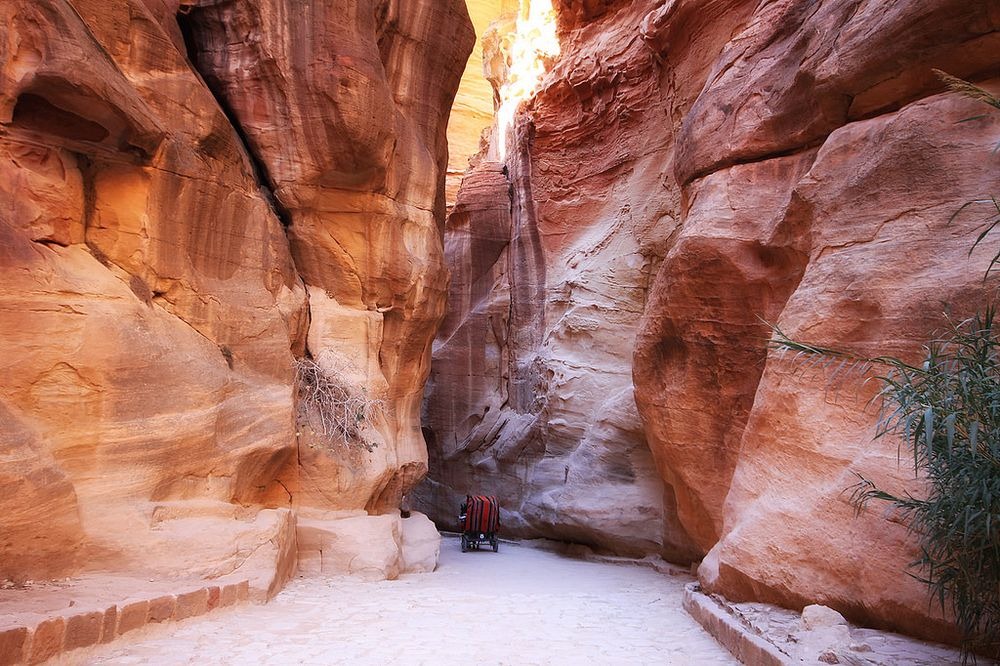
On the walls, you would notice carved niches, reliefs of gods, and remains of ancient monuments, all imbuing spirituality in the Siq. It was not simply a path: it prepared visitors through a sacred passageway, for the splendor they would behold at the Treasury.
Probably the luckiest moment in all of Petra is the last few steps through the Siq. As the canyon narrows to an end, a thin ray of sunlight glimmers off of Al-Khazneh-itself-and-the Treasury, the most famous monument of Petra. Behind the tall canyon walls, the sudden reveal is one of the most photographed and deeply moving sights in the world.
Whatever the number of times you might have seen it in photos, all is worth nothing unless one comes and sees it.
We'll tell you honestly what the weather and crowds are really like for your travel dates.
Chat with a local expertElements along the Siq that one may expect to see are:
The Siq is more than just a walkway; dark and wild ideas flow from this symbolism of mystery and majesty of Petra. Every twist in the canyon takes you deeper into the life of an ancient civilization that, in the middle of a desert, mastered arts, architecture, and engineering. By the time you hit the Treasury, you would have surely understood why Petra is graced to be called The Rose City and why a walk through the Siq is still amongst the most magical experiences possible.
On a 9-day trip to Jordan you'll see the real magic of this country and get to know it through history, culture, and nature. Jordan's top places such...
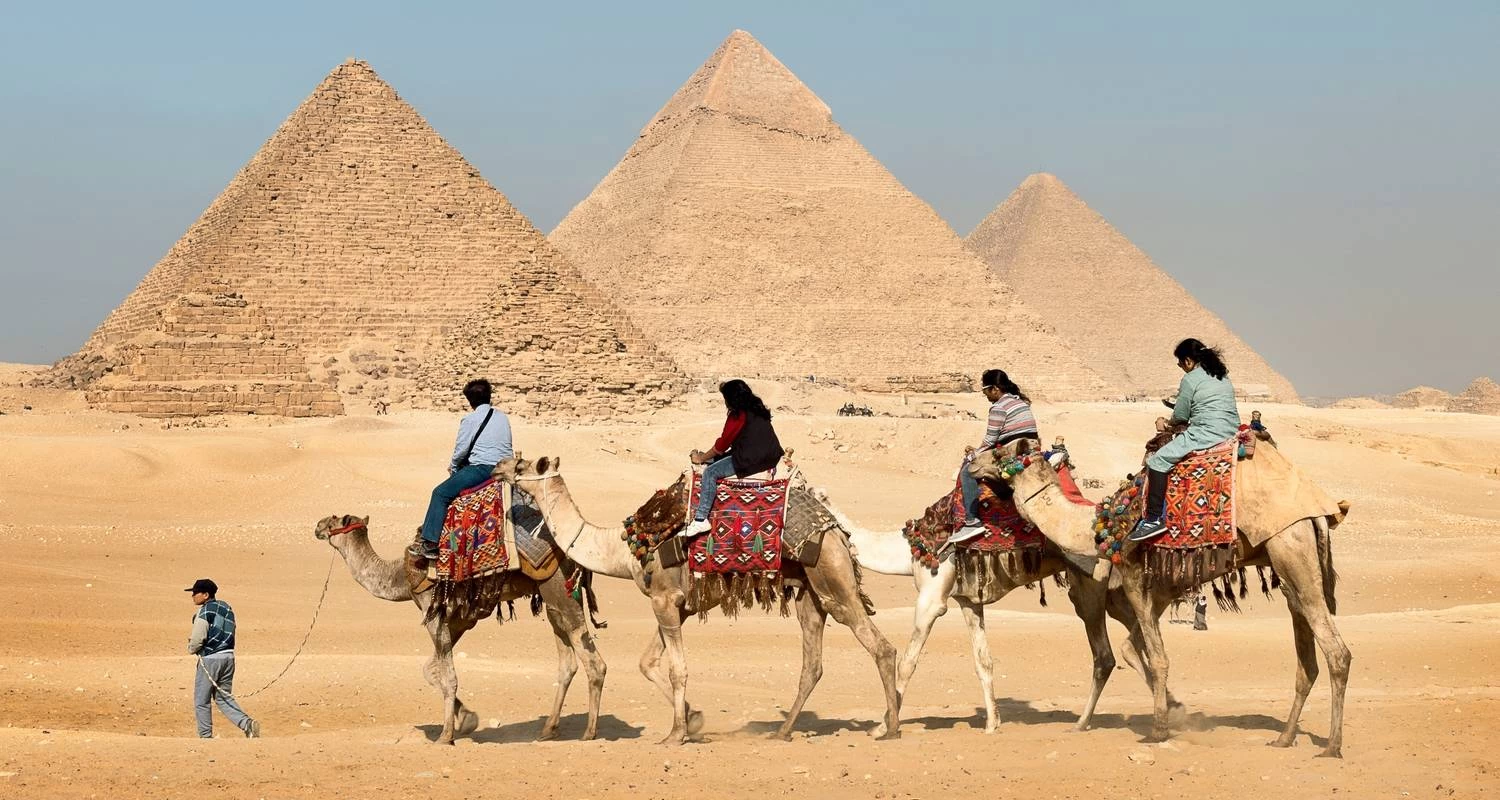
Explore our 15-day, 14-night Grand Tour through Egypt, Jordan, and Dubai. See the pyramids, explore the Middle East Tours Petra and the Dead Sea, and...
 Jordan travel guide
 The Temple of Artemis in Jerash, Jordan, is a remarkable Roman era temple dedicated to the goddess Artemis. Fa...
 Jordan travel guide
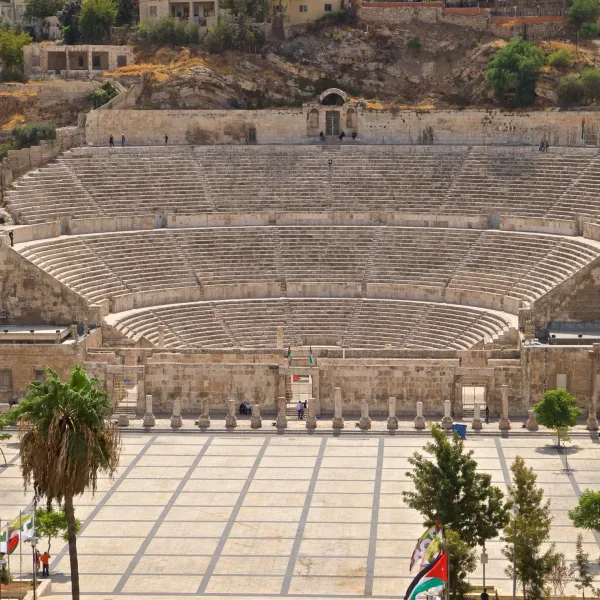
 Uncover the Roman Theater in Amman, a wonder of the 2nd century, constructed under the rule of Emperor Antonin...
 Jordan travel guide
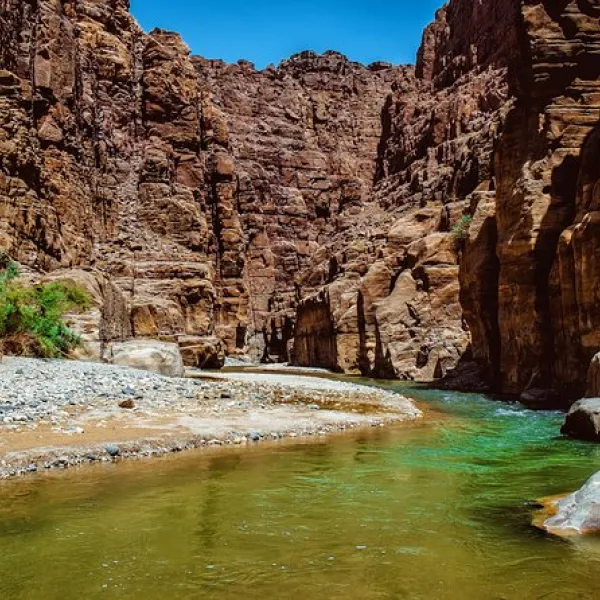
 Discover Wadi Al-Mujib Jordan, a breathtaking nature reserve where desert cliffs meet flowing rivers and unfor...
Get our best Egypt travel tips and itineraries in your inbox — join our travel list.