Temple of Artemis : Jordan’s Ancient Gem
The Temple of Artemis in Jerash, Jordan, is a remarkable Roman era temple dedicated to the goddess Artemis. Fa...
Read article
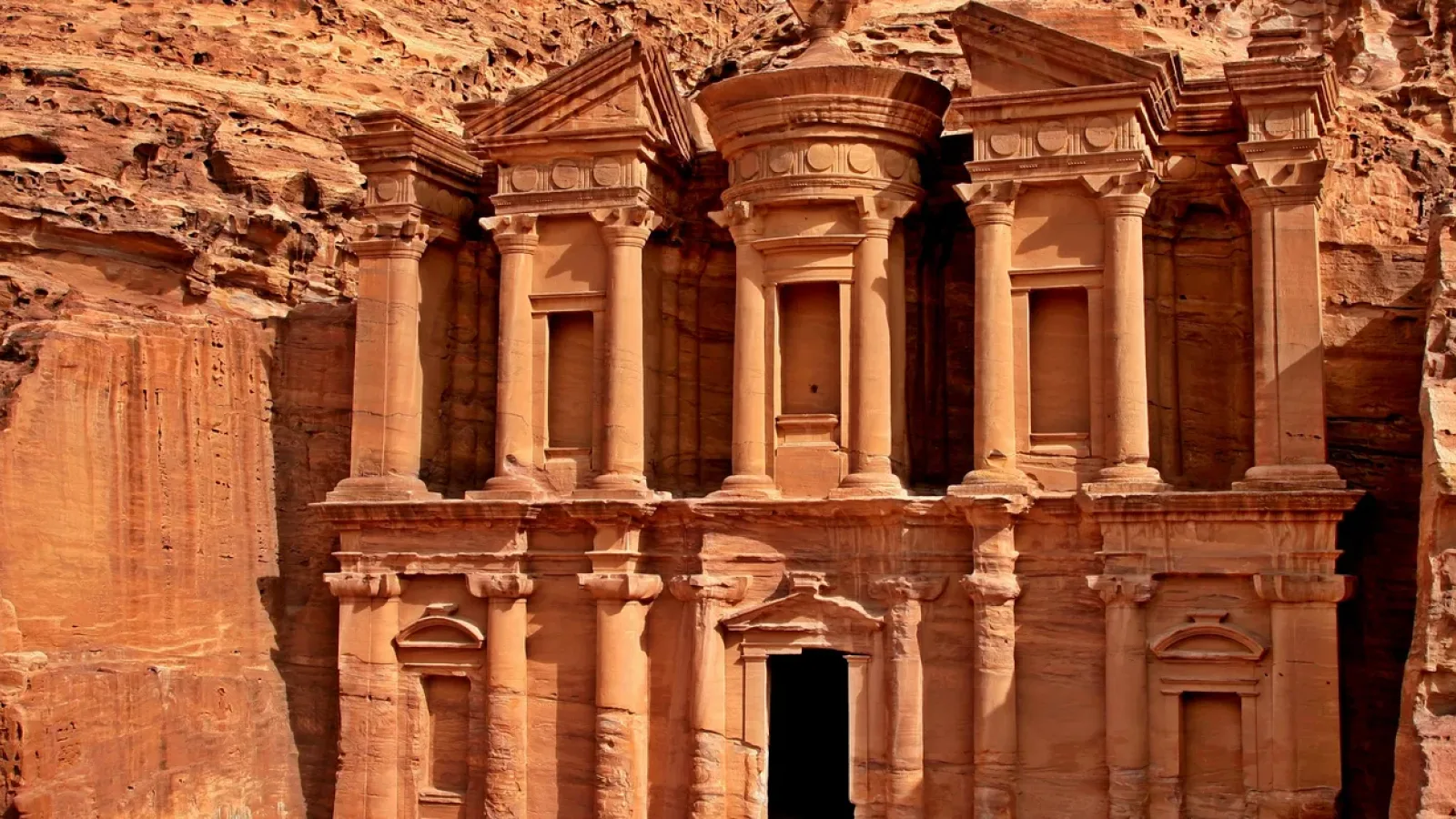
Petra in Jordan has a long and rich history as a city of the Nabateans, and the name "The Rose City" is a result of the city's complete and beautiful carving into red sandstone cliffs.
The site of Petra is one of the New Seven Wonders and a UNESCO World Heritage Site, and the main reasons for this are its incredible architecture of rock-cut, significance, and landscapes that are simply breathtaking.
Among the most popular attractions in Petra are:
Petra is also regarded as a symbol of Jordan, and thus, it attracts tourists from every corner of the world who come to revel in its enigmatic past, dazzling architecture, and desert-like allure.
Tell us when you can travel and we'll suggest the ideal route and season — usually within the hour.
Chat with a local expert1-Walk Through the Siq
To kick off your adventure, a remarkable canyon called the Siq of approximately 1.2 km in length and of very narrow dimensions, will be waiting for you. The red rock walls that are very high make the canyon a dramatic and, at the same time, very beautiful walk that undoubtedly leads you into the very center of Petra—one of the most magnificent hiking trails in the world.
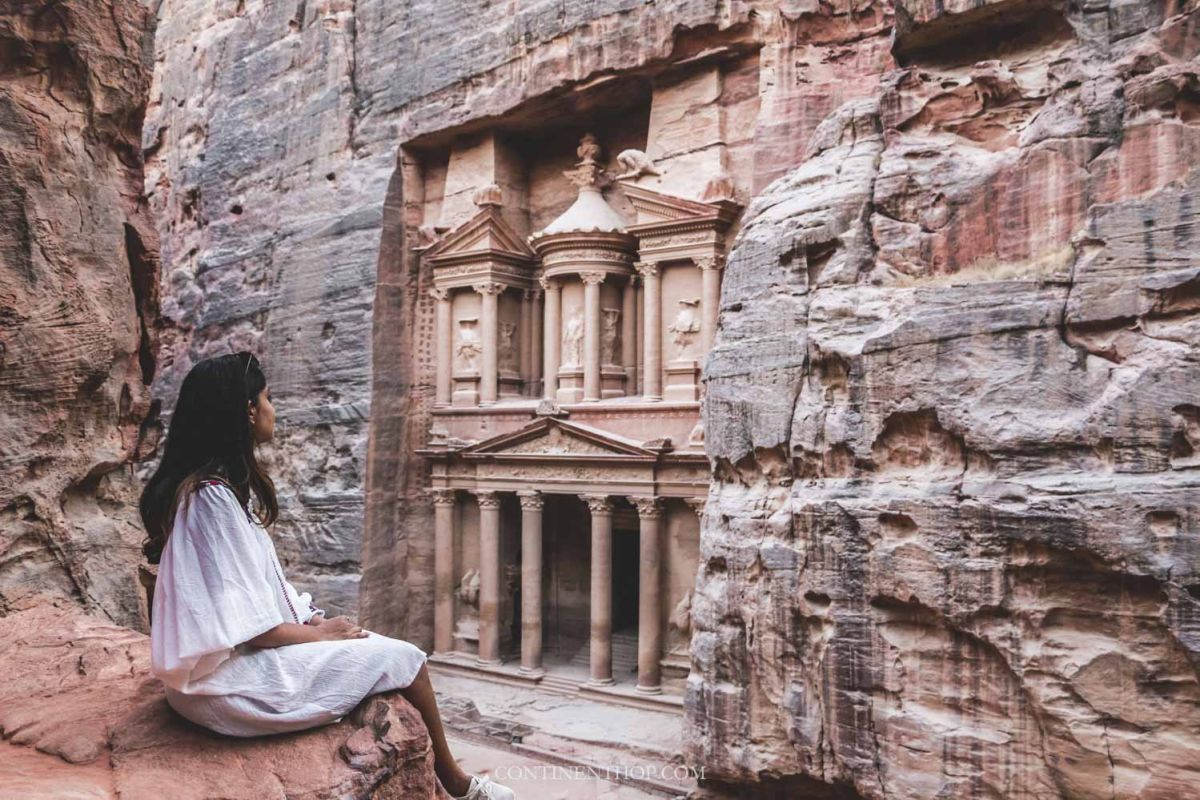
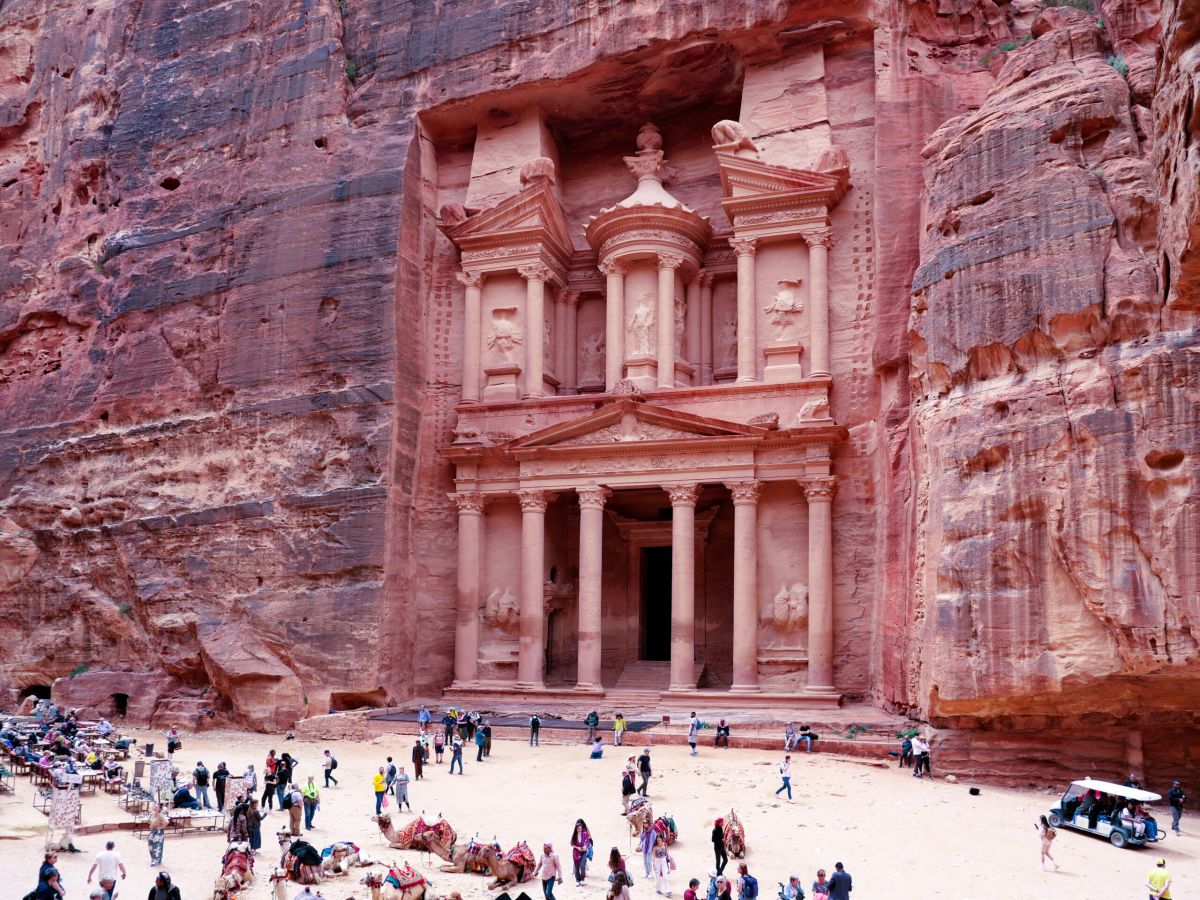
2-Marvel at the Treasury (Al-Khazneh)
The Treasury is the most photographed and recognized symbol of Petra. Heavily adorned and architecturally complex, its magnificent image is carved right into the mountain, and the complex features are part of the ancient Nabatean architecture still seen today. Make sure to witness it bathed in light at sunrise or sunset when the sandstone dazzles in brilliant red-golden hues.
3-Hike to the Monastery (Ad-Deir)
Those who like adventures can set out to the Monastery on a very challenging hike through an ascent of 800 stone-hewn steps. The Monastery is one of the largest and most awe-inspiring monuments in Petra. Besides, the view from the top is of breathtaking beauty and really deserves the exertion of climbing.
4-Visit the Royal Tombs
Pay a visit to the Royal Tombs, where once the dead rested, Nabatean kings and great nobles. The tombs were splendidly carved rock structures that clearly spoke of Bethlehem's glorious past and had been developed in artistry.
5-Take a Camel or Donkey Ride
Petra, as it was in the past, will be the same when you let a camel or a donkey take you through the ancient city. It is the most enjoyable and most traditional way of visiting the site, especially when one is pressed for time.
6-Experience Petra by Night
Make sure to be part of Petra by Night, a charm-filled affair during which the Siq and the Treasury shine thanks to the light coming from the thousands of candles. The gentle light, music, and the whole atmosphere contribute to making the event truly unforgettable.
7-Explore the High Place of Sacrifice
Take a hike to the High Place of Sacrifice, and on the way up, enjoy the picturesque view of Petra and the desert valleys around. It is also a great place for taking photos, offering good light and quietness for contemplation.
8-Enjoy Bedouin Hospitality
Make a stop at a classic Bedouin tent and take your pick from tea with mint or coffee and the company of the hospitable people who still dwell in the region of Petra. Their culture, along with their amiability, contributes to the enchanting aura of the event.
We'll tell you honestly what the weather and crowds are really like for your travel dates.
Chat with a local expertPetra is an ancient city located in the southern part of Jordan, and its origin is traced back to the 4th century BC; thus, it is more than 2,300 years old. The city was constructed by the noble and creative Nabataean civilization, which went as far as carving the magnificent temples, tombs, and buildings into the very rose-red sandstone cliffs.
The city of Petra was the capital of the Nabataean Kingdom and thus was the center of trade, connecting the major trading routes between Arabia, Egypt, and the Mediterranean Sea. Its prime location facilitated the trade of merchandise like spices, silk, and other valuables, making Petra one of the richest cities of the ancient world. At present, Petra remains a UNESCO World Heritage Site, and it is also one of the New Seven Wonders of the World; hence, it is a place that receives millions of tourists every year. The tourists can feel the past of the city by walking through the narrow Siq canyon, viewing the famous Treasury (Al-Khazneh), and visiting the numerous temples and tombs that speak of the city’s magnificent history.
Best Time to Visit: Spring (March–May) and autumn (September–November) are the periods with the most comfortable temperatures for outdoor activities.
What to Wear: Comfortable shoes, light clothing, and a hat — you will have to walk and climb a lot in Petra.
Tickets: You can buy tickets at the Petra Visitor Center in Wadi Musa. If you plan to stay for more than one day, you can buy a multi-day pass.
Guides: A professional local guide not only reveals the history and context but also takes you to the less-visited photo opportunities.
Petra in Jordan is a time machine. Each wall carved out, the path made out of stones, and the sound produced by the canyon are all parts of the storytelling the ancient times in a beautiful manner. Petra is not only a great archaeological site — it is also a ride through the middle of Jordan's history, culture, and wonders.
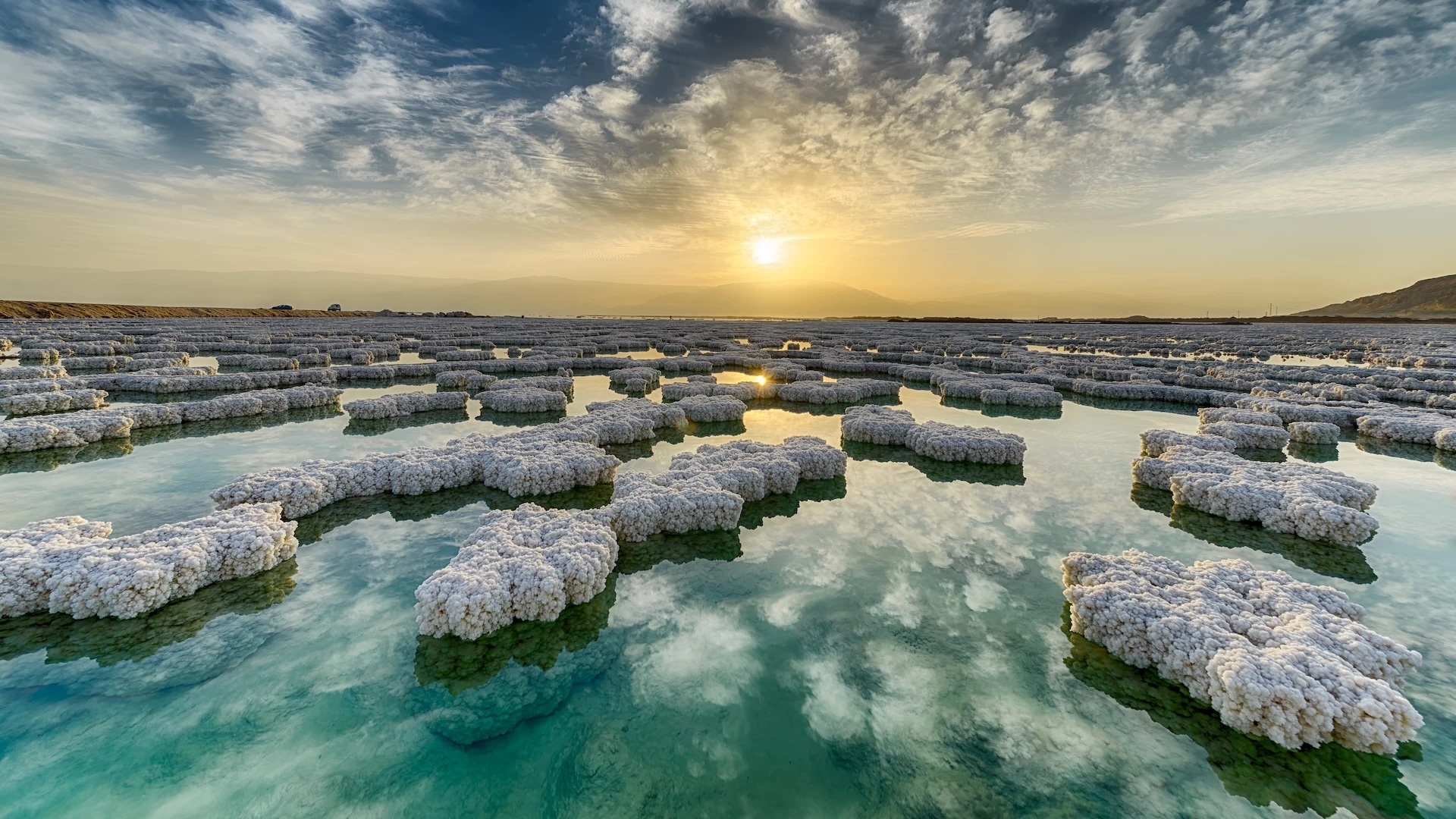
On a 9-day trip to Jordan you'll see the real magic of this country and get to know it through history, culture, and nature. Jordan's top places such...
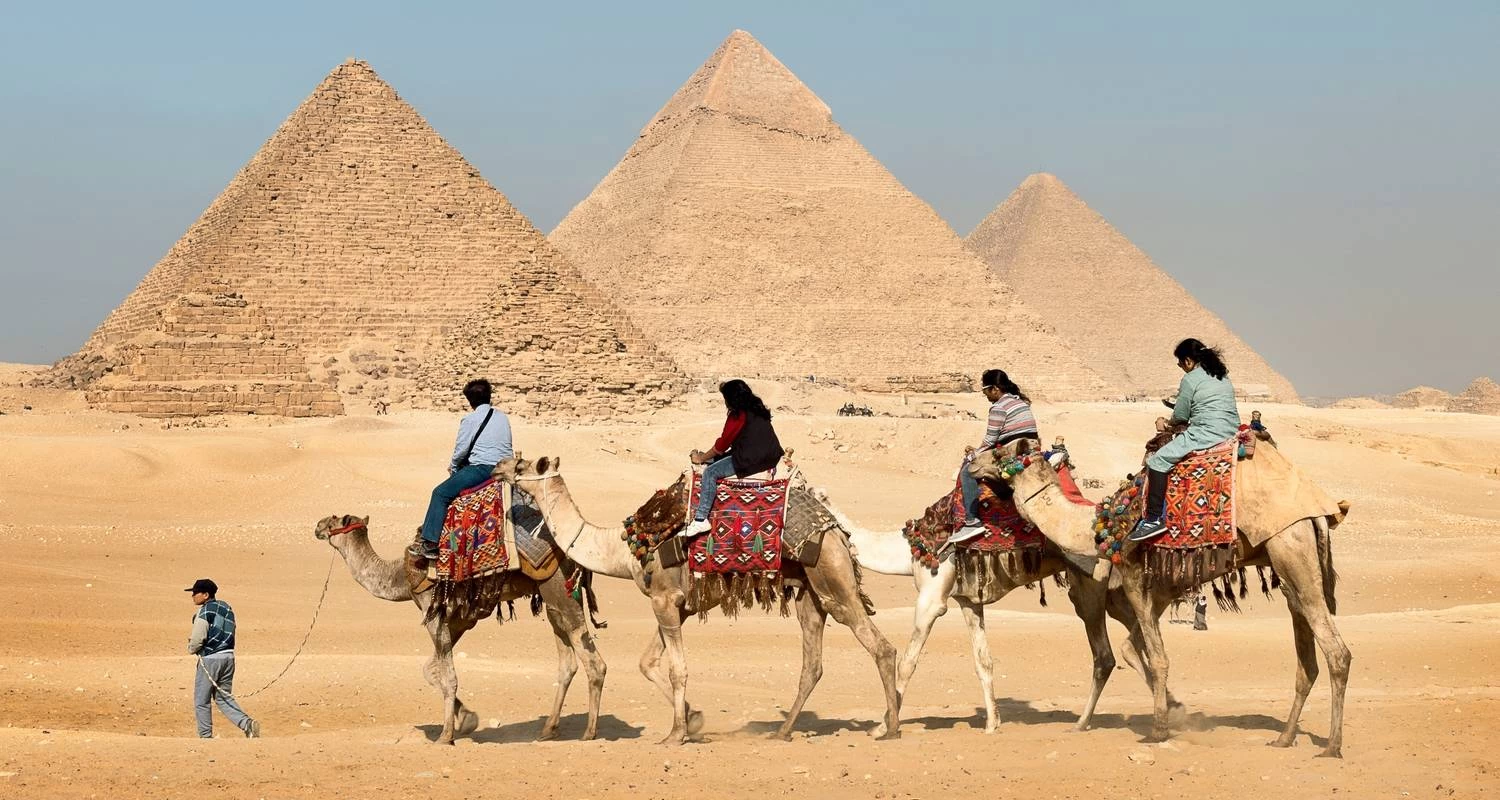
Explore our 15-day, 14-night Grand Tour through Egypt, Jordan, and Dubai. See the pyramids, explore the Middle East Tours Petra and the Dead Sea, and...
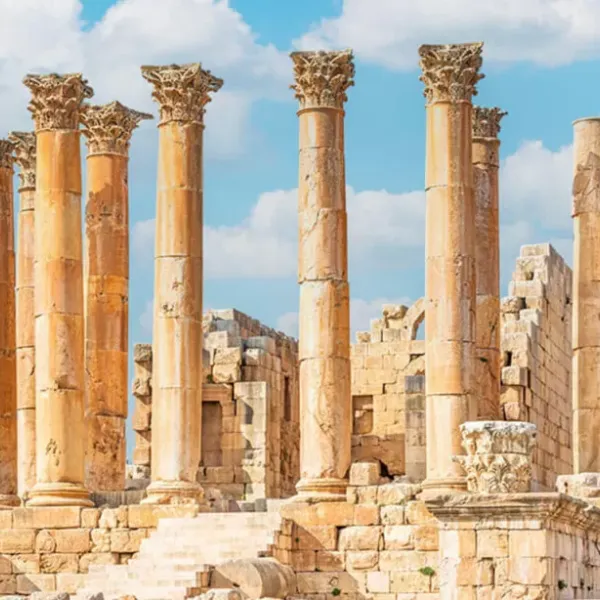 Jordan travel guide
 The Temple of Artemis in Jerash, Jordan, is a remarkable Roman era temple dedicated to the goddess Artemis. Fa...
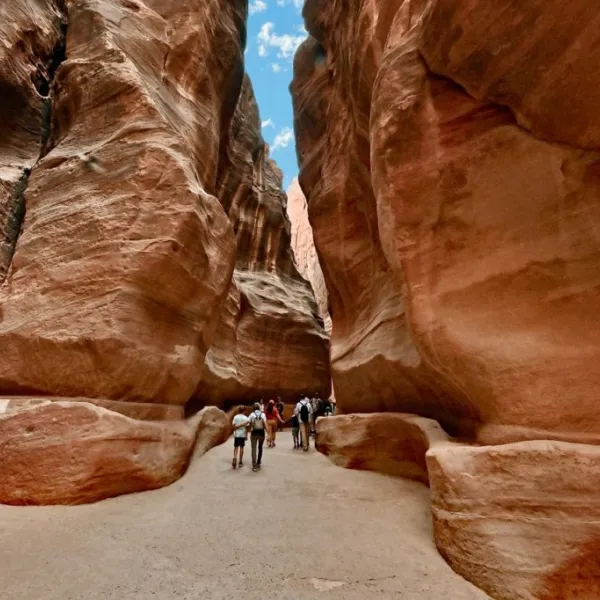 Jordan travel guide
 Nestled deep within the rugged mountains of southern Jordan lies one of the world’s most awe-inspiring natural...
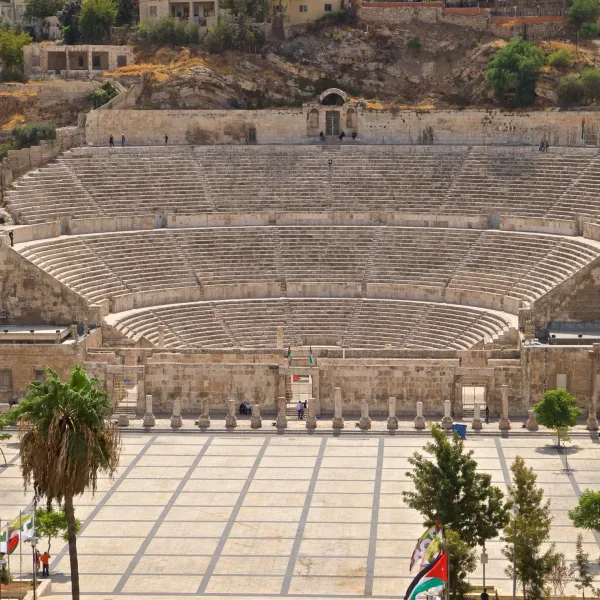 Jordan travel guide
 Uncover the Roman Theater in Amman, a wonder of the 2nd century, constructed under the rule of Emperor Antonin...
Get our best Egypt travel tips and itineraries in your inbox — join our travel list.