Colonnaded street
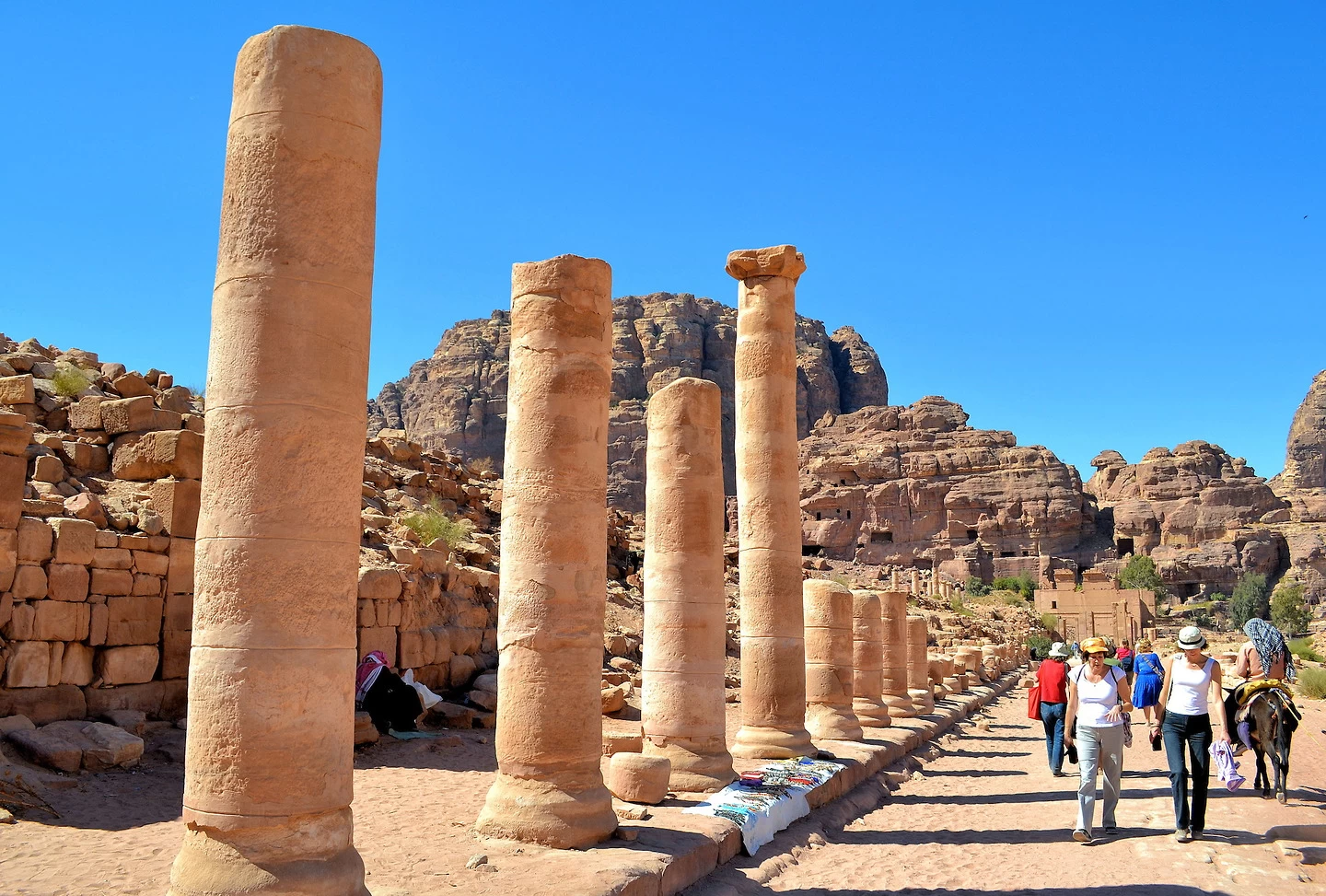
The Colonnaded Street – Walking Through Ancient History
The Colonnaded Street in Jerash, Jordan, is one of the most remarkable examples of ancient Roman streets still standing today. Often called the Cardo Maximus, it served as the main north south avenue of ancient Gerasa, one of the great Decapolis cities of the Roman Empire. This impressive example of colonnaded street architecture remains a highlight for anyone interested in Amman historical sites and Roman urban design.
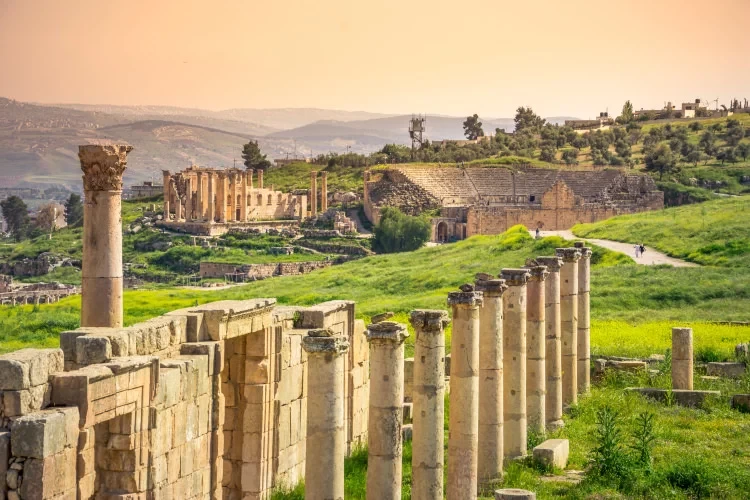
The Colonnaded Street, which was about 800 meters long, ran almost straight through the ruins, linking up the principal gates of the city, the main squares, the temples, and the markets. Walking along it today feels like stepping straight into the past. The original limestone stones are still in place, many with deep wheel ruts left by chariots long ago. The sidewalks, drains, and neat plan show how thoughtful Roman city design was.
Once a bustling hub of trade, religion, and social life, the Colonnaded Street was where citizens gathered for markets, parades, and celebrations. The whole city's history full of culture, commerce, and architecture is what today's northern Jordan still embraces. For travelers exploring Jordan tourist attractions, this site is truly one of the best things to do in Jordan, as every single step on this stone trail reveals the rich heritage of Roman times.
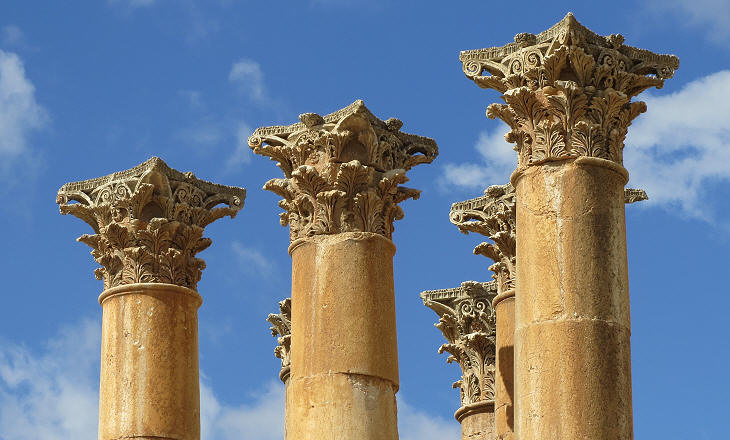
Colonnaded street architecture and what you’ll see
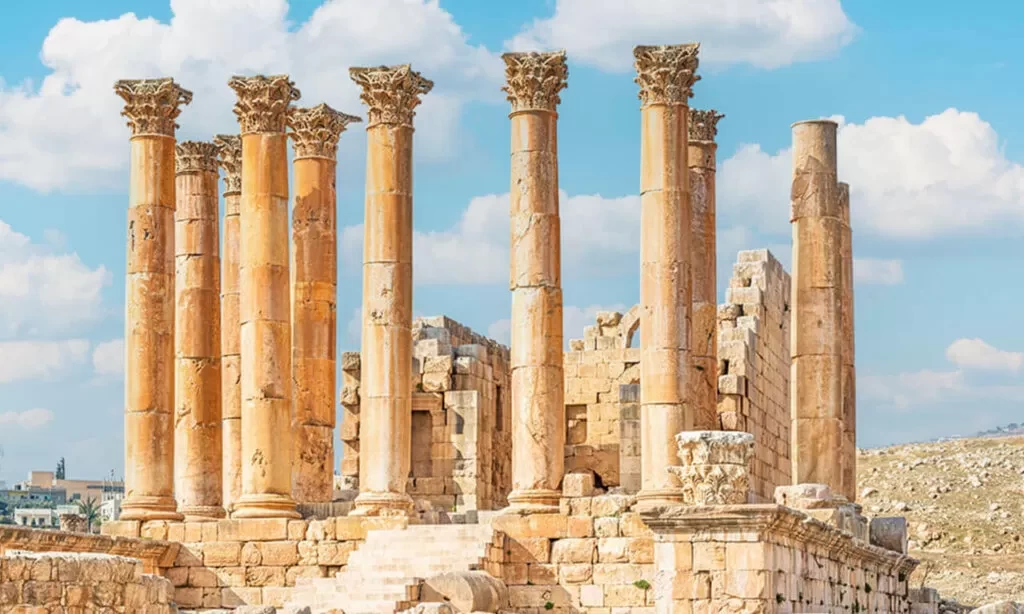
The Colonnaded Street is not just a simple road, it is a living representation of Roman planning and construction, showcasing remarkable colonnaded street architecture. On both sides of the whole street, beautiful columns are standing, they were first constructed during the late 1st century AD and later on got added with exquisite Corinthian capitals. The original reason of these columns was to hold up the covered porticos, which protected people from rain or sun and made the area more pleasant for the small shops and traders. Visitors to Amman historical sites often stop to admire these features.
The pavement is made with big limestone slabs which have been worn smooth over time and by the feet of people walking on them. If you look closely, you can see small drainage holes and grooves cut into the stone that carried rainwater to underground pipes, highlighting the cleverness of Roman engineering. Walking along these ancient Roman streets makes you feel connected to the past.
Strolling down the road, what catches your eye right away will probably be the ruins of ancient shops, fountains, and public buildings. Among all, the Nymphaeum, a stunning two-story public fountain embellished with sculpted lions heads and marble patterns, is one of the most remarkable. It was the one that provided clean water to peasants as well as beautifying the city’s core, making it a highlight on any Amman city tour.
The street also passes by several key points, including the North and South Tetrapylons four-way stone arches that marked important crossroads and the grand Oval Plaza, an open circular square framed by more than 50 Ionic columns. Every section of the Colonnaded street presents a different aspect of Roman urban life, from engineering and art to everyday business and worship.
Why Is the Colonnaded Street a Top Attraction in Jordan?
The Colonnaded Street is not only a historic site but also one of the finest Jordan tourist attractions and a place that you must see while visiting Jerash. This street is remarkably intact, unlike most ancient ruins that exist only in fragments, and it lets visitors step on the very stones that Romans did almost 2,000 years ago. It is indeed a huge field of colossal columns, ancient flooring, and big arches that demonstrate the urban planning and architectural skills of the Romans.
The visual impact of the street's long line of columns and its unique arrangement is nothing short of spectacular. One can easily picture the scene of parades, markets, and the everyday lives of the people along the sidewalks. The street, with its co existence of commerce, religion, and civic life, is a window into the very soul of the ancient city.
When you go there, do not forget to:
- Traverse the entire length of the Colonnaded Street starting from the North Gate and finishing at the Oval Plaza.
- Look closely for the ancient wheel marks and drainage systems which are small but very telling details of Roman engineering cleverness.
- Praise the Nymphaeum, tetrapylons, and porticos not only for their architectural beauty but also for their sheer scale.
- Venture the main city street and the temples that are less visited to get a better feel of the city’s entirety.
- Snap some pictures at sunrise or sunset because then the sun highlights the warmly colored limestone and the intricately detailed columns.
Going to the Colonnaded Street not only gives you a remarkable view of ancient life but also places it along the lines of Jordan’s most remarkable historical attractions. Moreover, Jerash is home to the Jerash Archaeological Museum that, besides displaying such items as statues, coins, and mosaics, connects you to the city’s history more profoundly.