Temple of Artemis : Jordan’s Ancient Gem
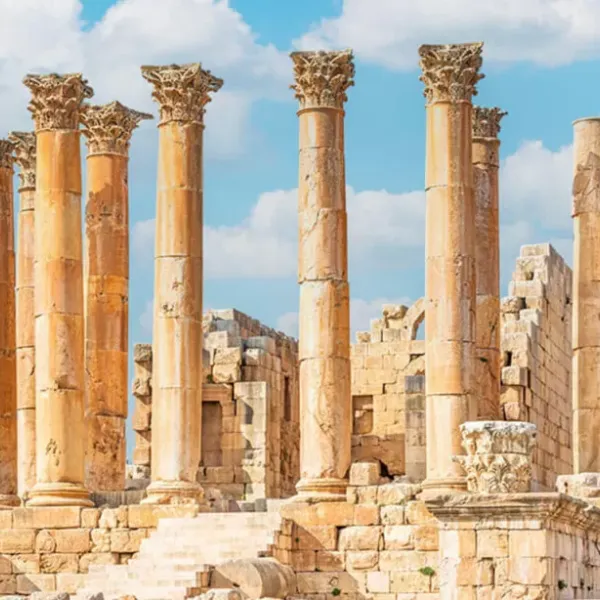
The Temple of Artemis in Jerash, Jordan, is a remarkable Roman era temple dedicated to the goddess Artemis. Fa...
Read article
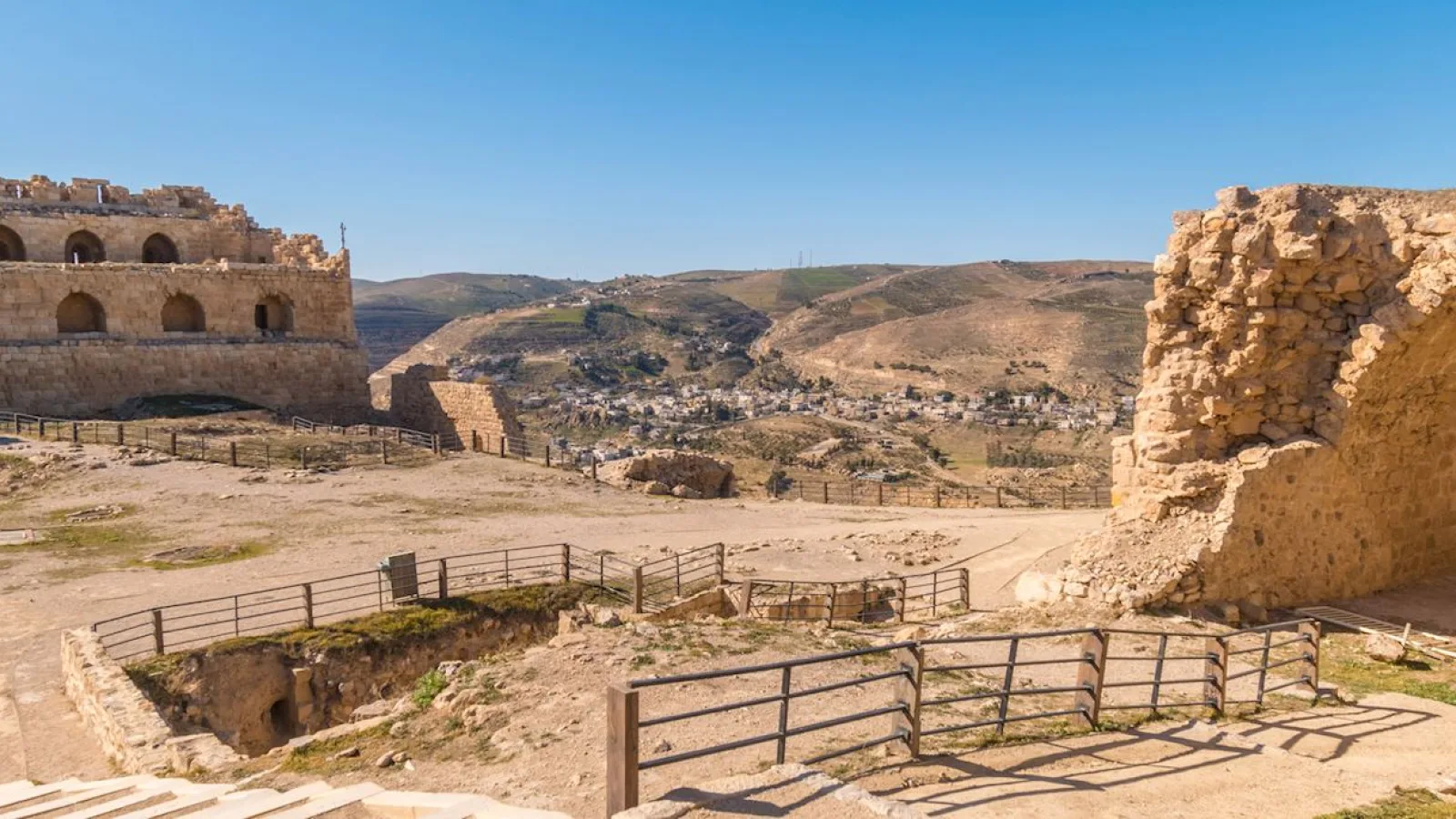
Madaba is one of the region's oldest continuously inhabited cities, with its history going back to the Middle Bronze Age. From the Byzantine to the Umayyad era, the city prospered as a center for Christian art and culture. Some of the beautiful mosaics here, dating to the 6th and 7th centuries, are considered among the finest in the world.
Plagued by abandonment for centuries, the city saw a revival of its original charm and infrastructure-changing churches by Christian families from Karak in the 19th century.

Tell us when you can travel and we'll suggest the ideal route and season — usually within the hour.
Chat with a local expert1. St. George's Church and the Madaba Map
Without a doubt, the most famous attraction of Madaba is the St. George's Greek Orthodox Church, featuring the iconic Madaba Mosaic Map — the oldest surviving mosaic map of the Holy Land. Made back in the 6th century, this masterpiece depicts biblical sites from Lebanon to Egypt, including Jerusalem, Bethlehem, and the Dead Sea.
2. Archaeological Park & Church of the Virgin Mary
In the middle of these ancient Roman streets with Byzantine church buildings and some of the best-preserved mosaic floors sits the Madaba Archaeological Park. The Church of the Virgin Mary was erected in the 6th century and contains some awe-inspiring mosaics that shed light on the artistic excellence of the city.
3. Church of the Apostles
Another 6th-century church that presents a magnificent floor mosaic committed to the Twelve Apostles. The details in its artwork represent fish, birds, and other symbols of life, thereby emphasizing the religious and artistic heritage of the city.
4. Madaba Museum
Going to the Madaba Archaeological Museum offers a glimpse into the city's history, with its part Byzantine, Roman, and Islamic artifacts, ancient tools, and pottery.
5. Mount Nebo
Mount Nebo stands just 10 kilometers farther from Madaba, and it is believed that Prophet Moses viewed the Promised Land from this place before his death. From the summit, travelers can enjoy panoramic views of the Jordan Valley, the Dead Sea, and, on clear days, even Jerusalem.
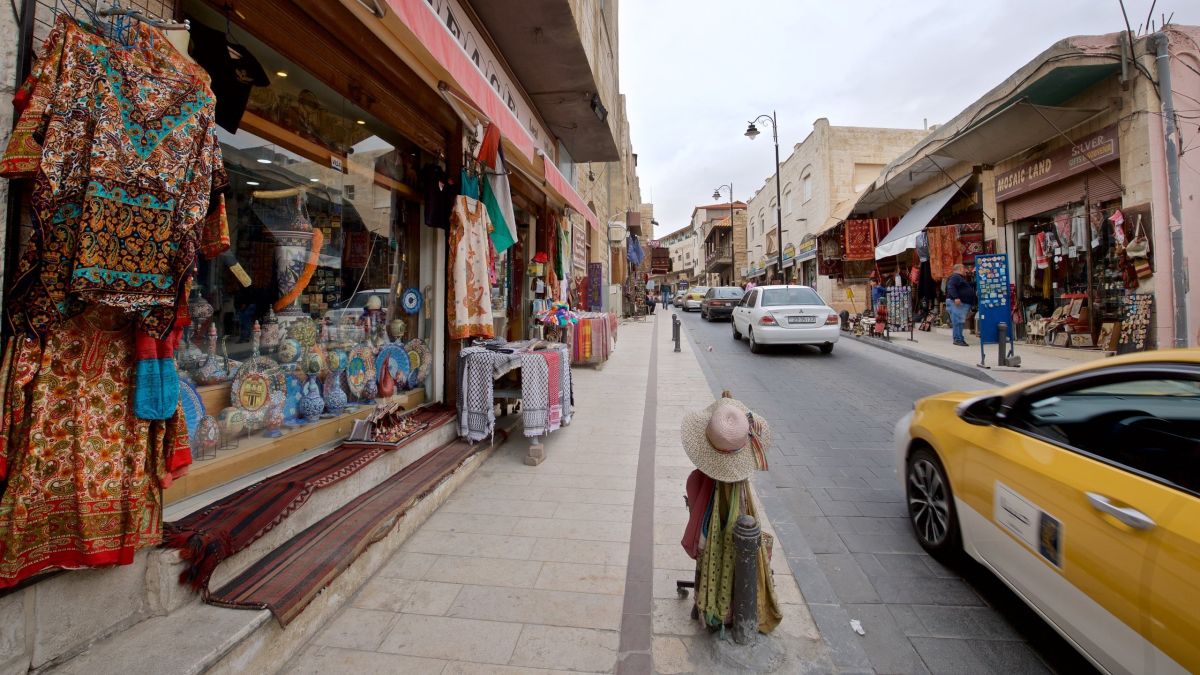
Madaba is a pleasant mixture of ancient traditions and contemporary ways of living. One should wander through the souks, buying handmade mosaics, ceramics, and other traditional crafts. The locals have a charming personality; they might even invite you for a cup of Arabic coffee or some refreshing mint tea as you shop.
Foodies will like eating in one of the smaller restaurants in the town serving traditional Jordanian favorites such as mansaf, falafel, and maqluba, cooked in original Middle Eastern style.
We'll tell you honestly what the weather and crowds are really like for your travel dates.
Chat with a local expertSpring (March–May) and autumn (September–November) are the best times to visit Madaba, where the weather is slightly breezy and thus perfect for exploration. Summers are torturous; early mornings and evenings come as gentle relief.
Getting to Madaba is easy:
From Amman: Car ride or taxi, 30 min.
From Queen Alia International Airport: 25-minute car ride.
From the Dead Sea: 45-minute car ride.
Hence, Madaba is a perfect stop in any Jordan itinerary, especially when traveling between Amman and the Dead Sea or Mount Nebo.
Q1: Why is Madaba famous?
Madaba is famous for its ancient Byzantine mosaics, particularly for the Madaba Map - the oldest mosaic map of the Holy Land.
Q2: How long should I stay in Madaba?
Most of the main sites can be seen within a half-day, but an overnight stay permits one to savor the tranquil atmosphere of the city and go on to visit Mount Nebo and the Dead Sea.
Q3: Is Madaba safe for tourists?
Yes, Madaba is a safe and very friendly destination. Locals welcome visitors all over the world.
Q4: What can I buy in Madaba?
Madaba is known for handmade mosaic art, ceramics, traditional jewelry, and Jordanian textiles.

On a 9-day trip to Jordan you'll see the real magic of this country and get to know it through history, culture, and nature. Jordan's top places such...
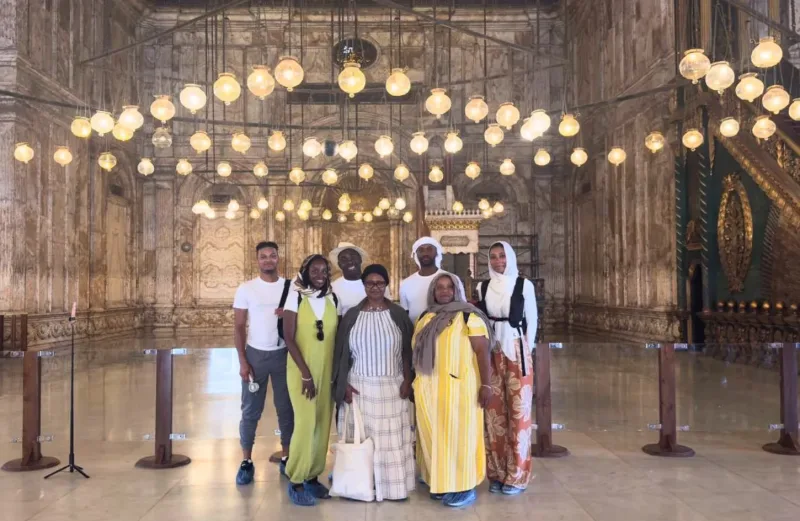
Discover Egypt and Jordan in one amazing 10-day tour with Middle East Tours. Visit the Pyramids, cruise the Nile, explore Petra, Jerash, and the Dead...
 Jordan travel guide
 The Temple of Artemis in Jerash, Jordan, is a remarkable Roman era temple dedicated to the goddess Artemis. Fa...
 Jordan travel guide
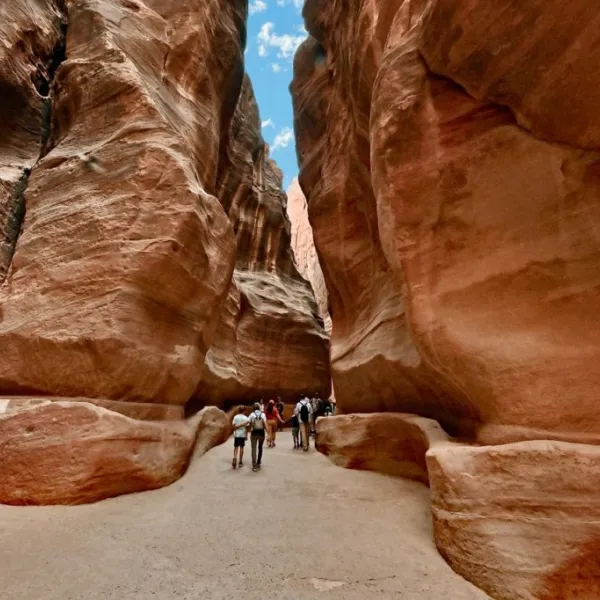
 Nestled deep within the rugged mountains of southern Jordan lies one of the world’s most awe-inspiring natural...
 Jordan travel guide
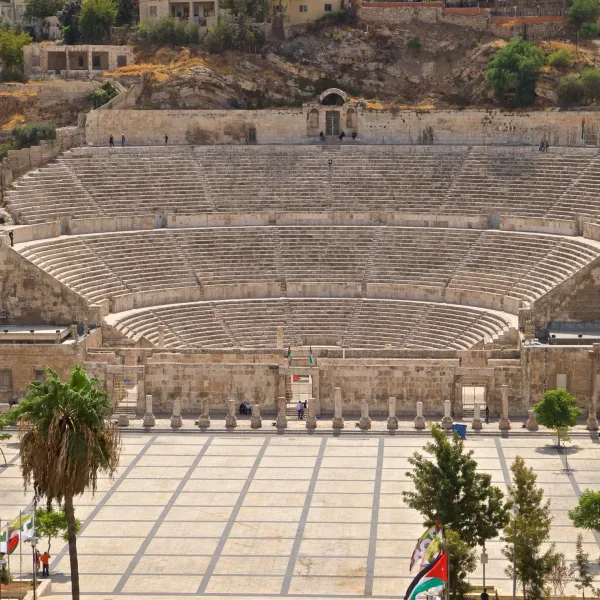
 Uncover the Roman Theater in Amman, a wonder of the 2nd century, constructed under the rule of Emperor Antonin...
Get our best Egypt travel tips and itineraries in your inbox — join our travel list.