The Best Things to Do in Cairo (2026 Local Guide)
The Pyramids of Giza and the Sphinx, the Grand Egyptian Museum, Khan El Khalili bazaar and Islamic Cairo — Cai...
Read article
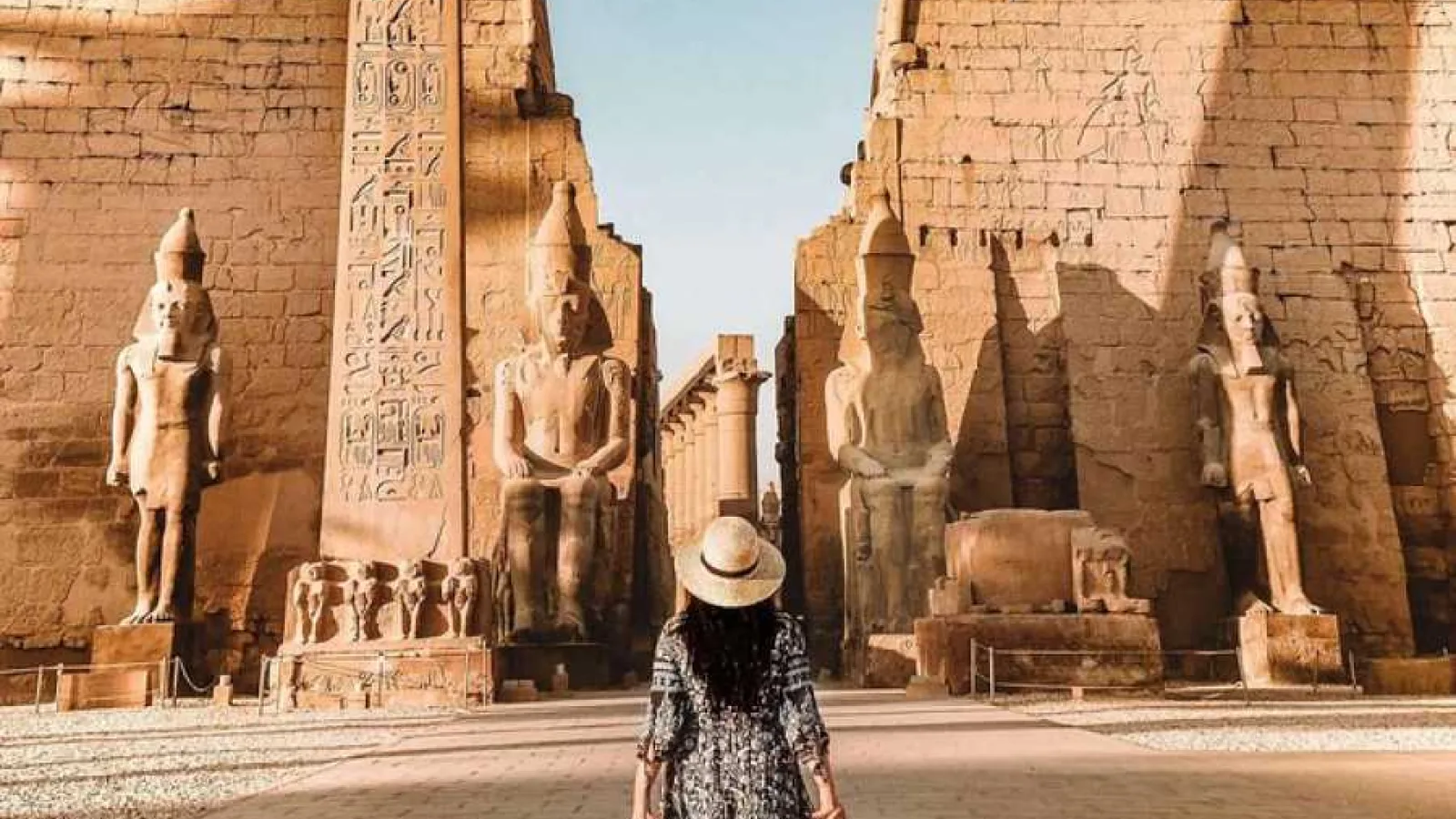
Explore Karnak and Luxor temples on the East Bank, then cross to the West Bank for the Valley of the Kings, Hatshepsut's temple and a sunrise hot air balloon. Luxor is the world's greatest open-air museum: two vast temple complexes on the East Bank, a royal necropolis of painted tombs and mortuary temples on the West Bank, and the Nile in between. Two full days cover the highlights, and a private day tour with an Egyptologist is the way to make sense of it all.
We guide Luxor every week, and it never gets old. This is where the pharaohs built on a scale that still stops people in their tracks — Karnak alone took 2,000 years to finish. The city splits neatly in two: the living East Bank, where the sun rises over Karnak and Luxor temples and the modern town hums along the corniche, and the West Bank, where the sun sets over the Theban necropolis, the Valley of the Kings and the great mortuary temples. Get the rhythm of the two banks right and you'll see the best of Luxor without ever feeling rushed. Here's how we'd spend your time.
Karnak is the largest religious complex ever built, and its Great Hypostyle Hall — 134 columns so vast that a dozen people can stand on a single capital — is the single most awe-inspiring space in Egypt. Give it at least two hours and go early, before the tour buses and the midday heat arrive. Karnak Temple guide Karnak & Luxor temples tour
Right in the heart of town, Luxor Temple is smaller than Karnak but arguably more beautiful, especially after dark when the columns and colossi are floodlit. Once linked to Karnak by a two-mile Avenue of Sphinxes, it's the perfect early-evening stop. We always save it for sunset, when the light turns the sandstone gold. Luxor Temple guide
The burial ground of the New Kingdom pharaohs, including Tutankhamun and Ramesses the Great, the valley hides more than 60 tombs cut deep into the hills. Your standard ticket covers three; we'd add Seti I's tomb, the finest of them all. The painted ceilings and corridors are breathtaking. Valley of the Kings guide
Rising in three colonnaded terraces against a sheer cliff at Deir el-Bahri, Hatshepsut's mortuary temple is the most photogenic building on the West Bank. Dedicated to Egypt's most successful female pharaoh, it's a masterpiece of ancient architecture. Come first thing — by mid-morning the terraces radiate heat with no shade at all. Temple of Hatshepsut guide Valley of the Kings & Hatshepsut tour
Drifting over the Theban necropolis as the sun comes up is the single most memorable thing you can do in Luxor. You'll see the Valley of the Kings, Hatshepsut's temple and the green ribbon of the Nile all at once, in the soft pink light of dawn. Book a reputable operator and go on your first clear morning. Luxor hot air balloon
Quieter than its royal neighbour, the Valley of the Queens holds the tombs of pharaohs' wives and children. The star is the tomb of Nefertari, wife of Ramesses II — its colours are so vivid it's often called the Sistine Chapel of ancient Egypt. Entry is ticketed separately and limited, so it feels wonderfully exclusive. Valley of the Queens guide
The mortuary temple of Ramesses III is one of Luxor's most underrated sites — vast, beautifully preserved and gloriously uncrowded. Look for the original painted colour still clinging to the ceilings and the dramatic battle reliefs carved into the outer walls. We often have the whole place almost to ourselves in the late afternoon. Luxor West Bank guide
These two 18-metre stone giants have guarded the West Bank for 3,400 years, all that survives of a mortuary temple long since vanished. They sit right beside the road, so they make a natural first or last stop on a West Bank day. In Roman times one of them was famous for 'singing' at dawn. Luxor West Bank guide
Compact, air-conditioned and superbly curated, the Luxor Museum is a welcome contrast to the open-air sites. Its highlights include statues from the Luxor Temple cache and a hall devoted to the New Kingdom. It's the perfect place to escape the afternoon heat and put the temples you've seen into context. Luxor East Bank guide
Nothing captures Luxor's slower side like an hour on a felucca, the traditional lateen-sailed boat. Time it for late afternoon, when the light softens and the temples glow along the banks. It's the calmest, cheapest and most romantic thing to do in the city — and a proper rest for tired feet. Felucca ride on the Nile
After dark, Karnak reopens for a sound-and-light show that walks you through the temple as the history of Thebes is narrated and the columns are lit in shifting colours. It's touristy, yes, but wandering the great hall at night is genuinely atmospheric, and it fills an evening beautifully. Karnak sound & light show
Getting the two banks right is the key to Luxor. The East Bank, where the sun rises, was the land of the living — temples and the modern city. The West Bank, where it sets, was the land of the dead — tombs and mortuary temples. We plan West Bank sites for the cooler morning and the East Bank for later. Luxor East Bank guide
★ Want to see it all with an expert? Our private Luxor day tours pair you with a licensed Egyptologist and your own driver, so you skip the queues and hear the stories behind the stones. The classic combines Karnak, Luxor Temple, the Valley of the Kings and Hatshepsut in one seamless day — and we run these routes every week. Browse our Luxor day tours Luxor day tours
Tell us when you can travel and we'll suggest the ideal route and season — usually within the hour.
Chat with a local expertMost visitors do Luxor as one or two guided day tours, and it's genuinely the best way to cover the ground: the sites are spread across both banks, distances are longer than they look, and a good Egyptologist turns a wall of hieroglyphs into a story. Our most popular route is a full East and West Bank day — Karnak and Luxor Temple in the morning, the Valley of the Kings and Hatshepsut after lunch. If you have a second day, add the Valley of the Queens, Medinet Habu and a sunrise balloon. For the classic Upper Egypt experience, extend into a Luxor-to-Aswan Nile cruise, which strings together Edfu and Kom Ombo along the way. Luxor & Aswan Nile cruises
Two full days is the sweet spot: one for the East Bank and one for the West, with a balloon at sunrise on the second. One day is enough for the headline sites if you're short on time, but it's a lot to pack in. Three days lets you slow down, add the lesser-visited temples and take a felucca at leisure. Most travellers fold Luxor into a wider trip with Aswan and Cairo, or a Nile cruise between the two southern cities. Things to do in Aswan Things to do in Cairo 7-day Egypt itinerary
We'll tell you honestly what the weather and crowds are really like for your travel dates.
Chat with a local expertLuxor has its own airport with quick flights from Cairo (about an hour) and Hurghada, and it's a stop on the overnight sleeper train from Cairo for those who want the scenic route. Many visitors arrive by Nile cruise from Aswan. Once here, the sites are split across the river: taxis, hotel drivers and the occasional felucca crossing get you around, but for the West Bank especially, a private car with a guide saves a lot of heat and hassle. Luxor day tours
The East Bank around the corniche puts you within walking distance of Luxor Temple, the museum and the restaurants, and it's where most hotels sit. The West Bank is quieter and more rural, closer to the tombs and lovely for a slower stay. For a splurge, the historic riverside grande dames are an experience in themselves. Our full guide breaks down every neighbourhood and price point. Where to stay in Luxor
October to April is prime time, with warm, dry days ideal for the temples and tombs — December and January are peak season and busiest. Summer (June to August) is punishing in Luxor, with highs well over 40°C, so if you come then, start at dawn and rest through the middle of the day. Whenever you visit, the golden rule is the same: sightsee early. Best time to visit Egypt
★ Rather have the whole trip planned for you? Tell us your dates and interests and we'll build a private Egypt itinerary around Luxor — cruise, guide, hotels and transfers included, tailored to your pace. Plan a tailor-made Egypt tour Tailor-made Egypt tour
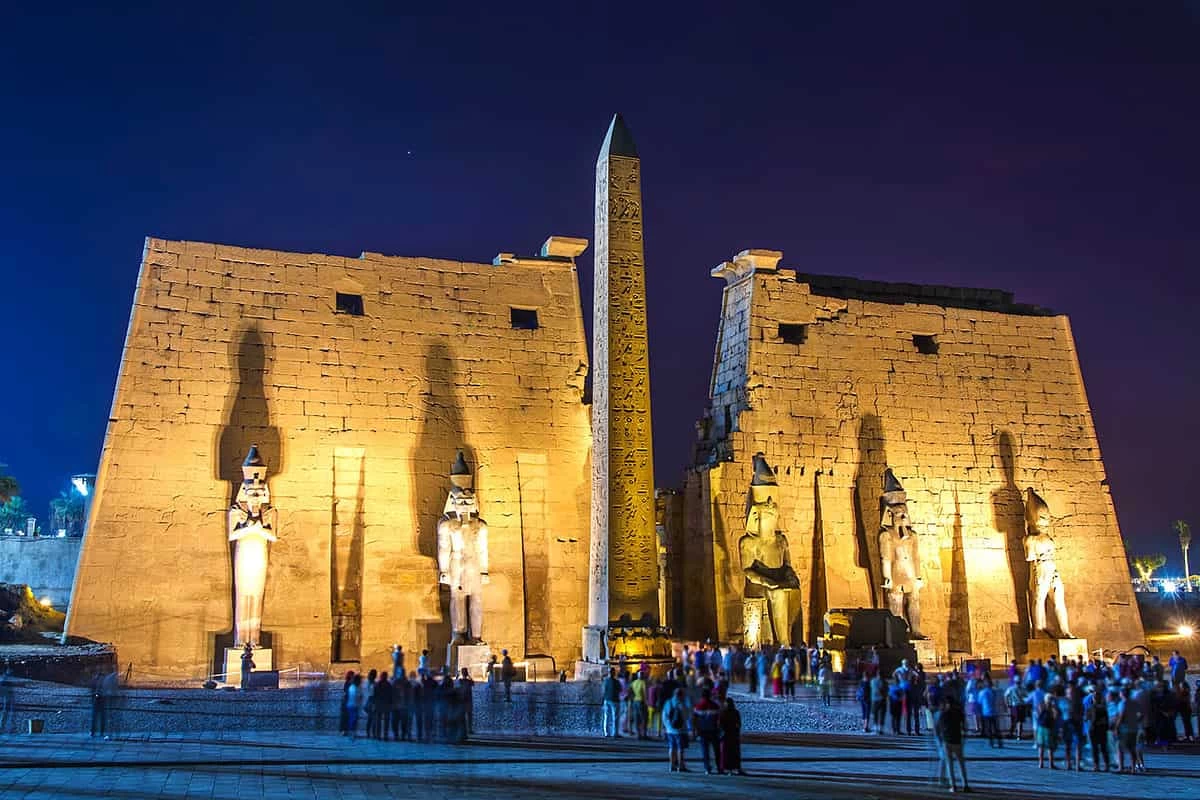
Experience a Luxor day tour, Egypt Day Trips offers a truly regal experience of what Karnak and Luxor Temple have to offer. While enjoying the guided...
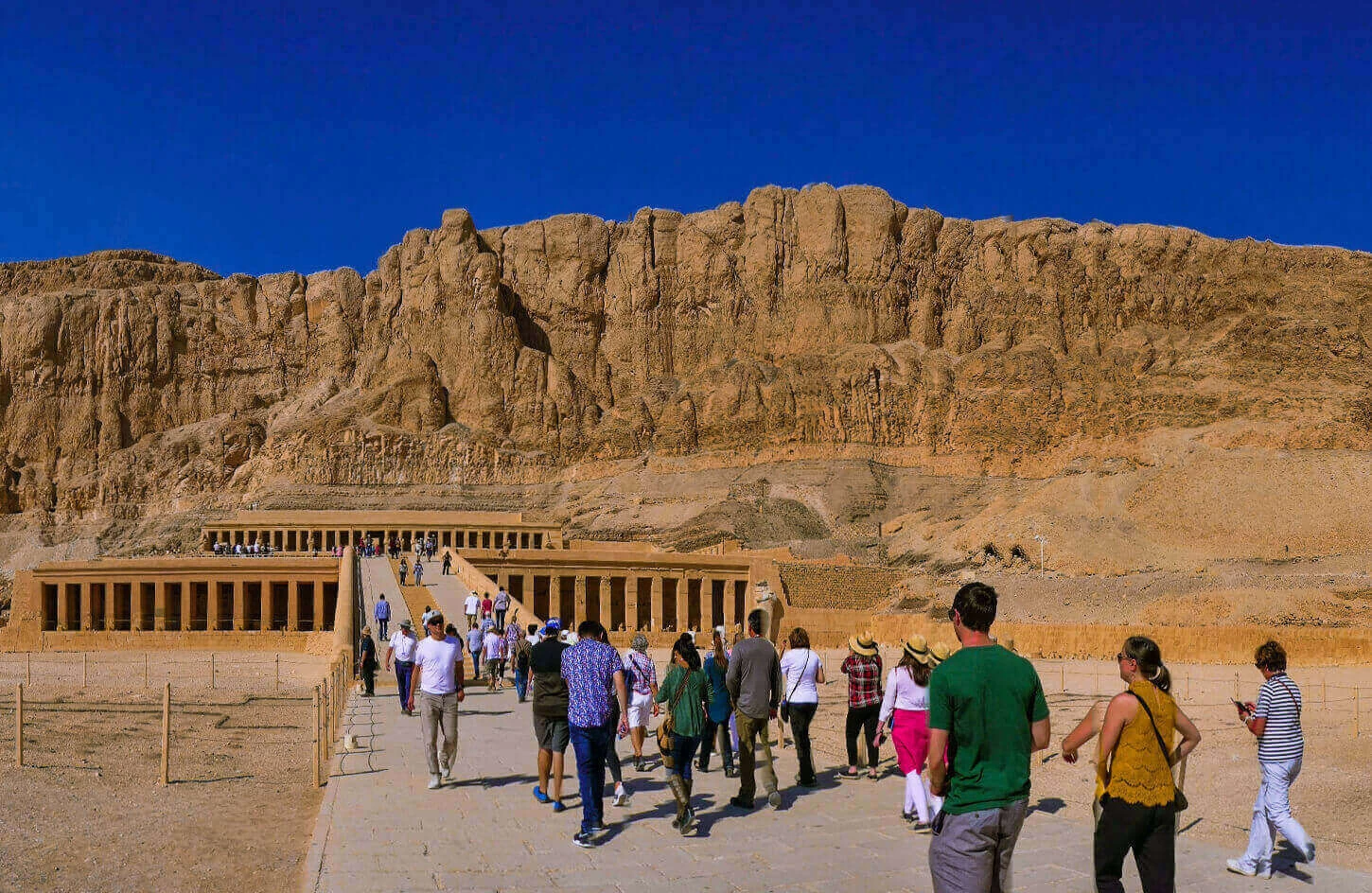
The day trip to the Luxor West Bank is an unforgettable experience anywhere. You'll get to see the world-famous Valley of the Kings, with the tomb of...
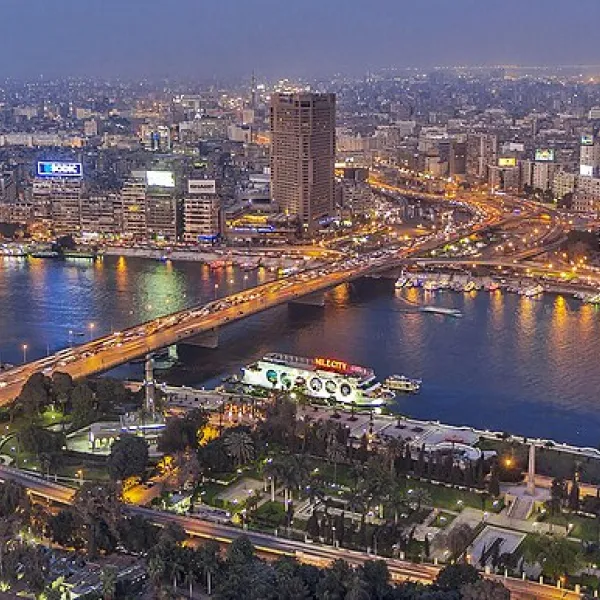 Egypt Things to do
 The Pyramids of Giza and the Sphinx, the Grand Egyptian Museum, Khan El Khalili bazaar and Islamic Cairo — Cai...
 Egypt Things to do
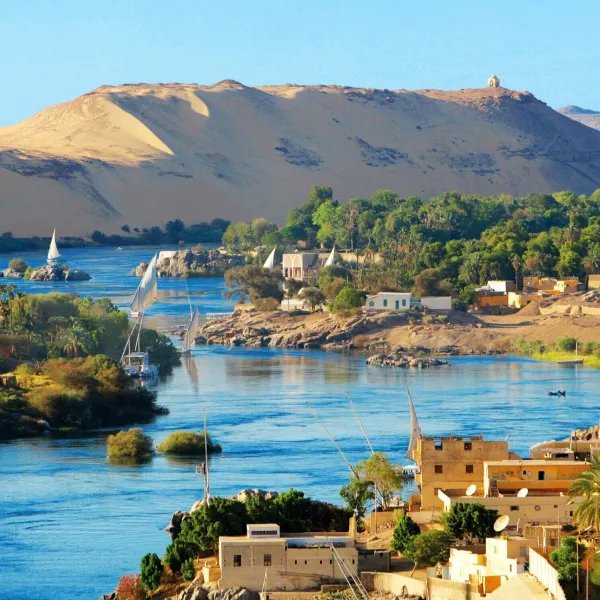
 Sail a felucca at sunset, tour Philae Temple, and take the day trip to Abu Simbel — Aswan's unmissable trio. E...
 Egypt Things to do
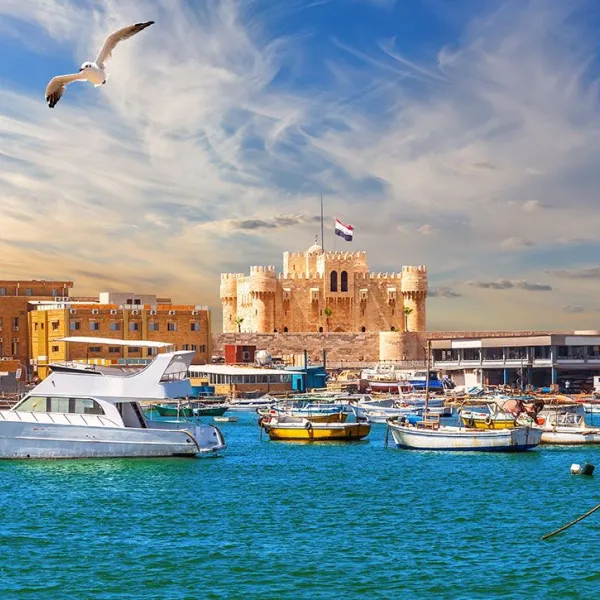
 The Bibliotheca Alexandrina, Qaitbay Citadel, the Catacombs of Kom el-Shoqafa and a seafood lunch on the Corni...
Get our best Egypt travel tips and itineraries in your inbox — join our travel list.