A Brief History of Alexandria
Alexandria, Egypt, boasts a vibrant history starting from its establishment by Alexander the Great and going o...
Read article
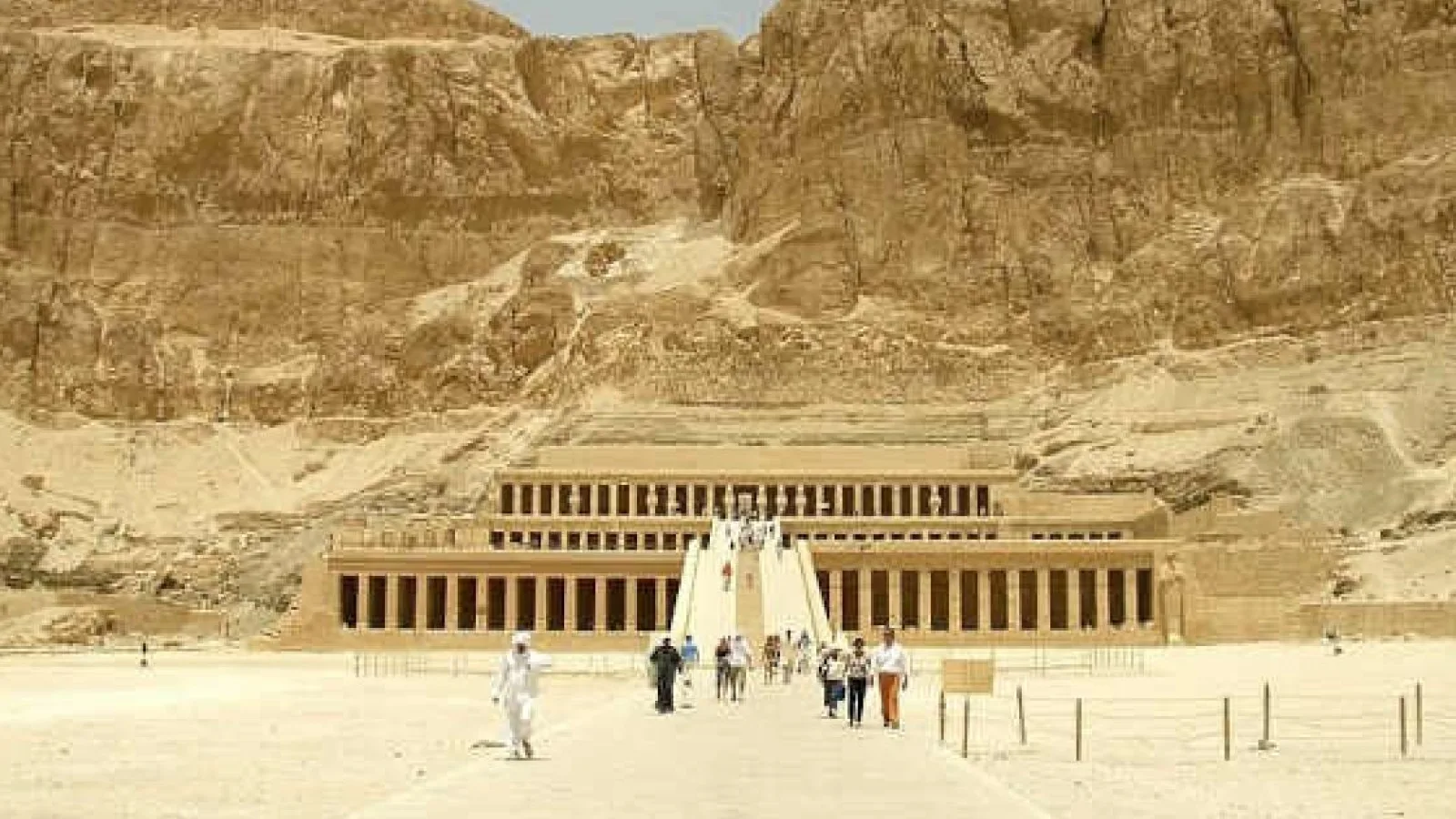
Ancient Egypt is famous for its great pyramids, pharaohs, and culture. The Great Pyramids were built during the Old Kingdom, while the New Kingdom saw the expansion of Egypt's empire. The Middle Kingdom (2055-1650 B.C.) represented an era of stability, art, and innovation. It had witnessed a renaissance in culture, a growth of territory, and the emergence of strong leadership that has forever changed the face of Egypt.
What, then, made this period remarkable? Who were its great kings? How did it end? Let us follow the remarkable history of the Egyptian Middle Kingdom.
The Middle Kingdom of Egypt (2055–1650 BCE) was a golden age of stability, art, and cultural renaissance, marking a significant turning point in Ancient Egyptian history. Following the political turmoil of the First Intermediate Period, Egypt entered into an era of reunification, economic prosperity, and cultural renaissance. This time, popularly regarded as a Classical Age of Egypt, would see the strengthening of central authority with the attainment of many highs in art and literature and in architecture.
From mighty pharaohs to wonderful monuments, the features characteristic of Egyptian civilization were infused into the Middle Kingdom, which in turn influenced the subsequent epochs. What, then, was different about this epoch? What ultimately brought about its expulsion? Let us dwell on the great kings, their achievements, and the legacy they left within that intriguing chapter of Egyptian history.
Tell us when you can travel and we'll suggest the ideal route and season — usually within the hour.
Chat with a local expertKings of the Middle Kingdom, strong-willed and possessing great vision, were the very foundation on which Egyptian stability and prosperity rested. Among the most powerful pharaohs of this era were:
Mentuhotep II is said to have reunited Egypt after the disastrous First Intermediate Period. Killing rival rulers in Lower Egypt, he established the 11th Dynasty, which marked the foundation for a new era of centralized government. During his reign, vast areas of Nubia were incorporated into Egypt along with massive temple-building activities, foremost among them his mortuary temple at Deir el-Bahari.
The founder of the 12th Dynasty, Amenemhat I, consolidated royal power by moving the capital from Thebes to a new city called Itjtawy. He set the course for royal authorities by a series of administrative reforms leading to an efficient government, buttressing trade routes for his enriching construction programs.
Senusret III has been valorized as one of the strongest Pharaohs of the Middle Kingdom who made loud military exploits in Nubia. The fortresses along the Nile laid by him catered to the great consolidation of Egypt's influence in the southern territories; their military might, directed by his hand, and economic prosperity due to able governance benefited Egypt greatly.
These pharaohs and their successors then strived to promote Egypt's influence, enhance infrastructure, and motivate artistic excellence.
We'll tell you honestly what the weather and crowds are really like for your travel dates.
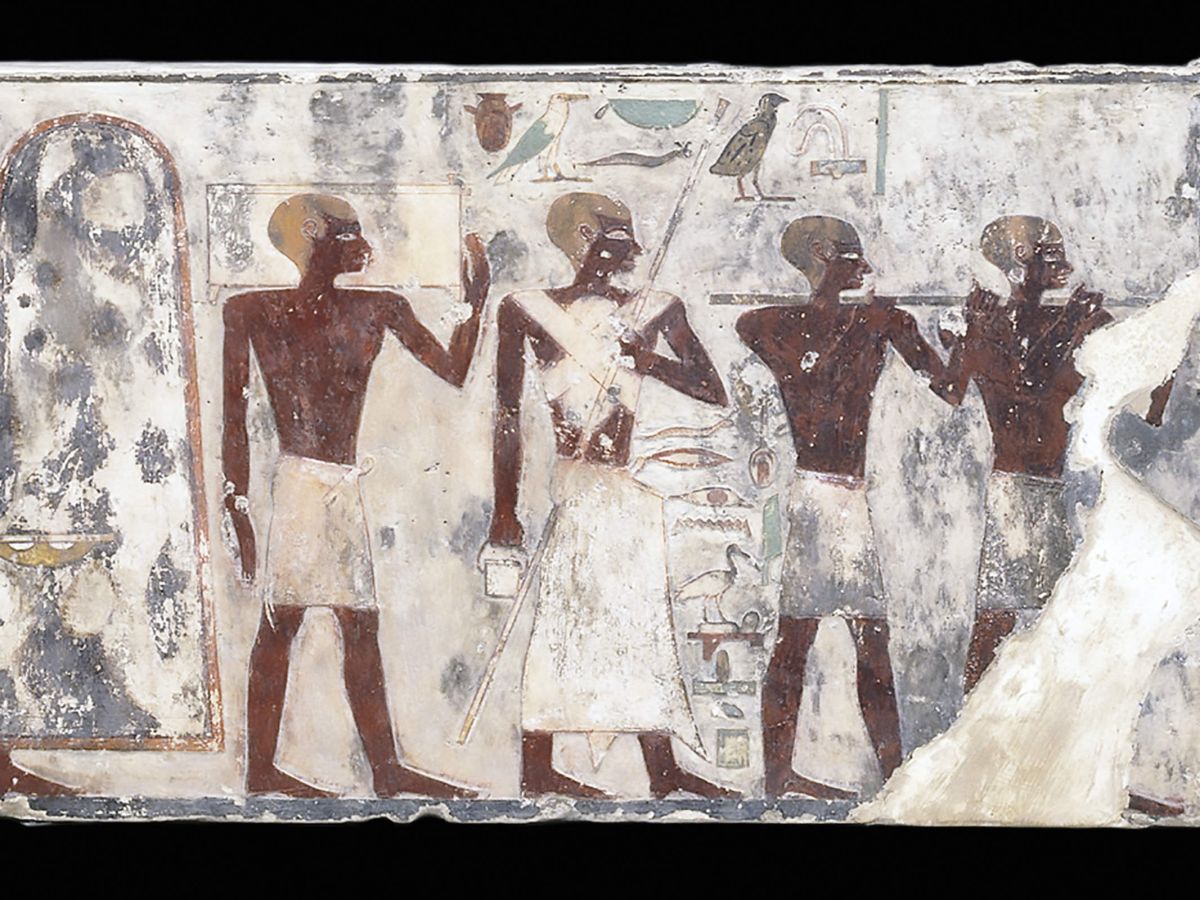
Chat with a local expertMiddle Kingdom art and architecture witnessed activities and achievements befitting a period of stability and prosperity.
Middle Kingdom statues and reliefs show a retreat from Old Kingdom idealizations in favor of more realistic and expressive representation of facial features.
Indeed, art and architecture became an environment for the development of Egypt's own culture, influencing later dynasties.
Eventually, like all glorious empires, the Middle Kingdom began to suffer decline, eventually leading to the Second Intermediate Period in Egypt. Here come some of the factors contributing to its decadence:
By around 1650 BCE the Middle Kingdom fell so that the Hyksos were able to dominate northern Egypt. The ascent of the New Kingdom followed, however, with the native Egyptian rulers of Thebes finally driving them out.
The Middle Kingdom of Egypt was an age golden with political steadiness, with art and economic growth—all brought about by the visionary leadership of its pharaohs and some remarkable advancements in art and architecture. These features left an imprint that transcended time with Egyptian civilization.
It ended, however, in disintegration and invasion by foreign foes, yet its influence lived on. The New Kingdom pharaohs, such as Ahmose I and Hatshepsut, drew inspiration from Middle Kingdom ideals, ensuring that this era would never be forgotten.
From grand temples to literary masterpieces, it continues to enthrall historians and archaeologists alike, a reminder that Egypt has an amazing ability to rise, fall, and rebuild itself time and time again.
Discover the ancient wonders of Egypt on a Cairo guided tour to the Giza Pyramids, Saqqara & Ancient Memphis. Visit the well-known Pyramids of Giza, s...
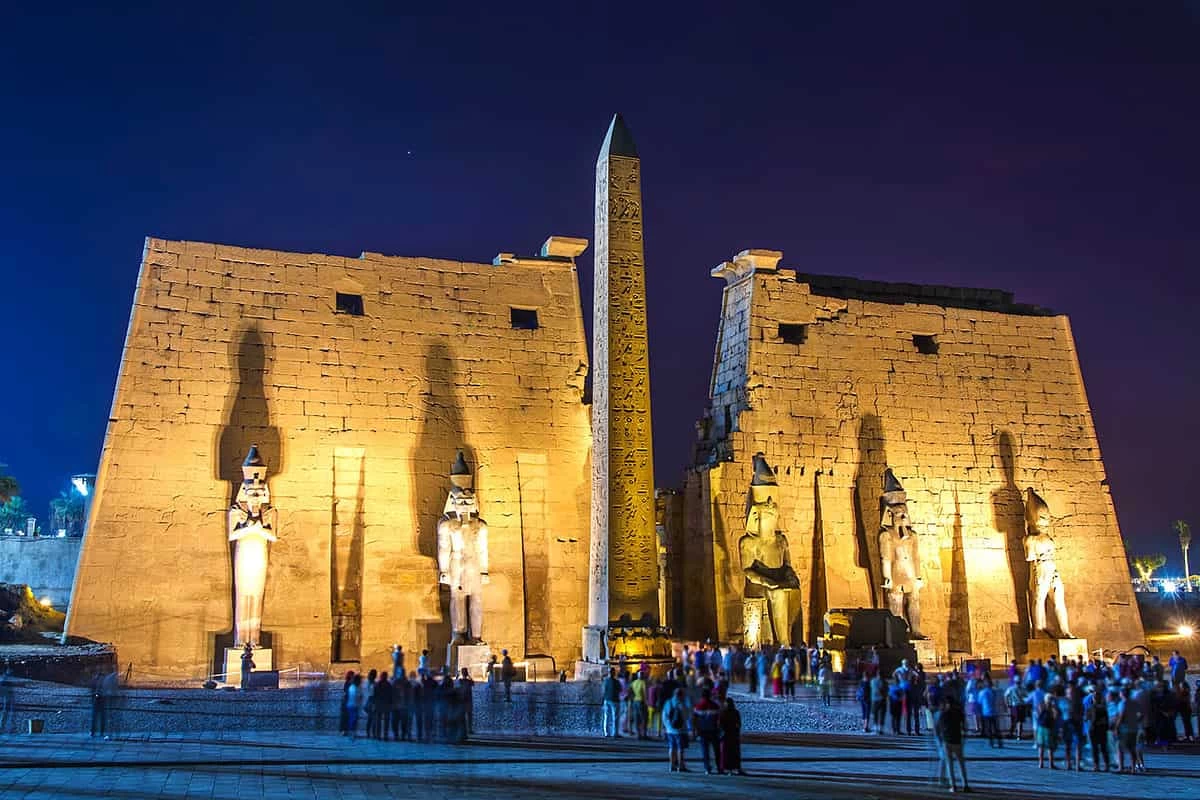
Experience a Luxor day tour, Egypt Day Trips offers a truly regal experience of what Karnak and Luxor Temple have to offer. While enjoying the guided...
 Egyptian History
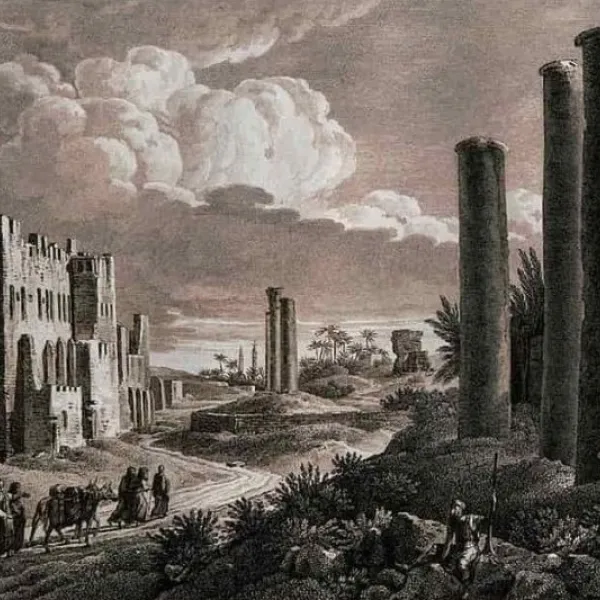
 Alexandria, Egypt, boasts a vibrant history starting from its establishment by Alexander the Great and going o...
 Egyptian History
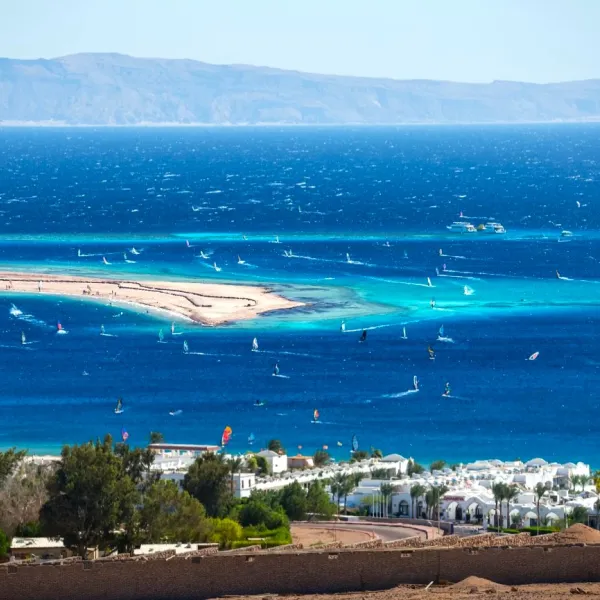
 Dahab was a former small and tranquil fishing village populated by Bedouins, which was only near the sea and d...
 Egyptian History
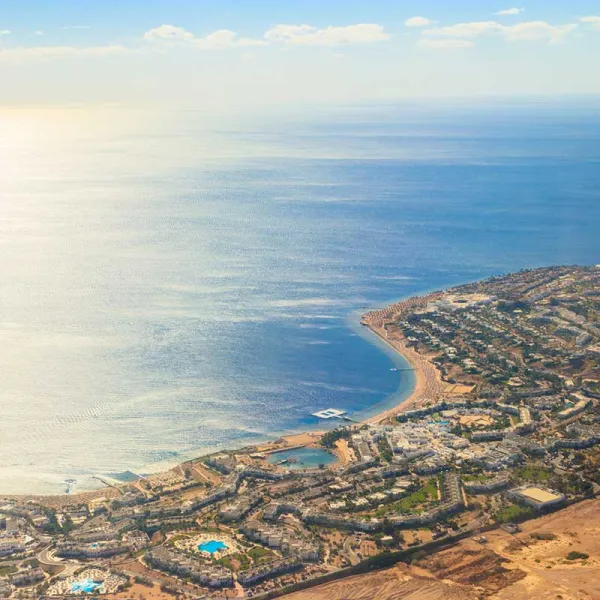
 Sharm El Sheikh has a modern history compared to many Egyptian cities but its story is very much connected wit...
Get our best Egypt travel tips and itineraries in your inbox — join our travel list.