A Brief History of Alexandria
Alexandria, Egypt, boasts a vibrant history starting from its establishment by Alexander the Great and going o...
Read article
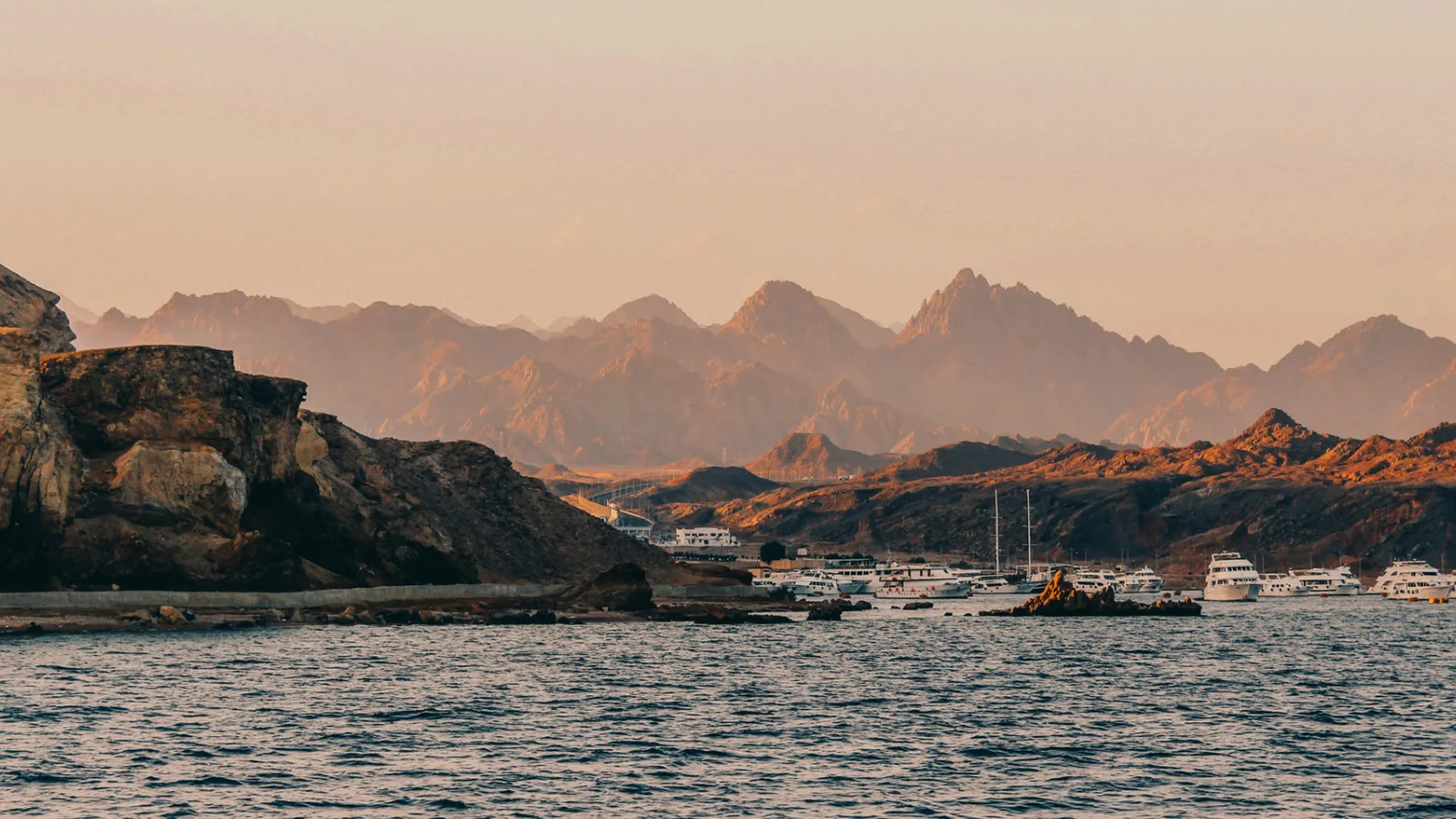
Sharm El Sheikh is now one of the top tourist spots in Egypt, a great place for vacations that attracts people all over the world with its shining waters, colorful coral reefs, posh hotels, and worldwide events. However, the history of Sharm El Sheikh is quite modern in contrast to the other Egyptian cities. The change of the place from a desolate coastal area to a major tourist attraction was a fairy tale that included the elements of strategy, development, and nature's beauty.
Tell us when you can travel and we'll suggest the ideal route and season — usually within the hour.
Chat with a local expertInitially, Sharm el-Sheik was just a tiny and remote fishing village at the southern tip of the Sinai Peninsula. The region was very thinly populated, with the Bedouin tribes living in the area mainly depending upon fishing, a bit of trading, and the traditional desert life. Sharm el-Sheik was isolated for over a thousand years because of its position and inhospitable nature.
The region’s natural harbors and calm waters were, however, more than sufficient for fishing boats, but there was no urban development or even temporary human settlements. The lifestyle of Sharm El Sheikh was quite plain and was mainly dictated by the desert and sea.
Sharm El Sheikh, although quiet, was still an important place due to its strategic location between the Red Sea and the Gulf of Aqaba. The location gave control over the maritime routes that were leading to Israel, Jordan, and Saudi Arabia, which meant it would be a very important place for trade and even military operations.
Mid-20th century marked a time when Sharm El Sheikh became a place of wars and conflicts, mainly due to the fact that it was taking place in the area. This was particularly true regarding the Arab-Israeli wars and the political-military clashes. Its location made it a locus of military presence and security concerns.
We'll tell you honestly what the weather and crowds are really like for your travel dates.
Chat with a local expertThe contemporary story of Sharm El Sheikh commenced at the end of the 20th century when Egypt regained control over the Sinai Peninsula, among other things, according to the Egypt-Israel Peace Treaty in 1982. This event was a crucial moment in determining the city’s future.
The authorities of Egypt saw tourism as the main source of income in the area, and they planned to take advantage of its incredible underwater life, colorful corals, and pleasant weather throughout the year. Sharm el-Sheik was to be developed into an international resort spot as the first step of the plans.
Sharm El Sheikh from the 1980s had a very fast-paced development. The coastline started being dotted with hotels, resorts, and other tourist facilities. To cope with the increased visitor numbers, modern services, along with an international airport and roads, were constructed.
The city won over divers and snorkeling adventurers very fast, since the Red Sea has the world’s most splendid coral reefs. Destinations like Naama Bay, Ras Mohammed National Park, and Sharks Bay turned into legendary attractions.
During the 90s and early 2000s, Sharm El Sheikh had emerged as one of the top beach destinations in the Middle East. It captivated visitors from all of Europe, Asia, and even the other continents by providing access to a combination of luxury hotels, fun activities, and nature's beauty.
The town was eventually nicknamed "the City of Peace" for hosting countless events like international conferences, political summits, and global events. This not only enhanced its global reputation but also solidified its economic significance.
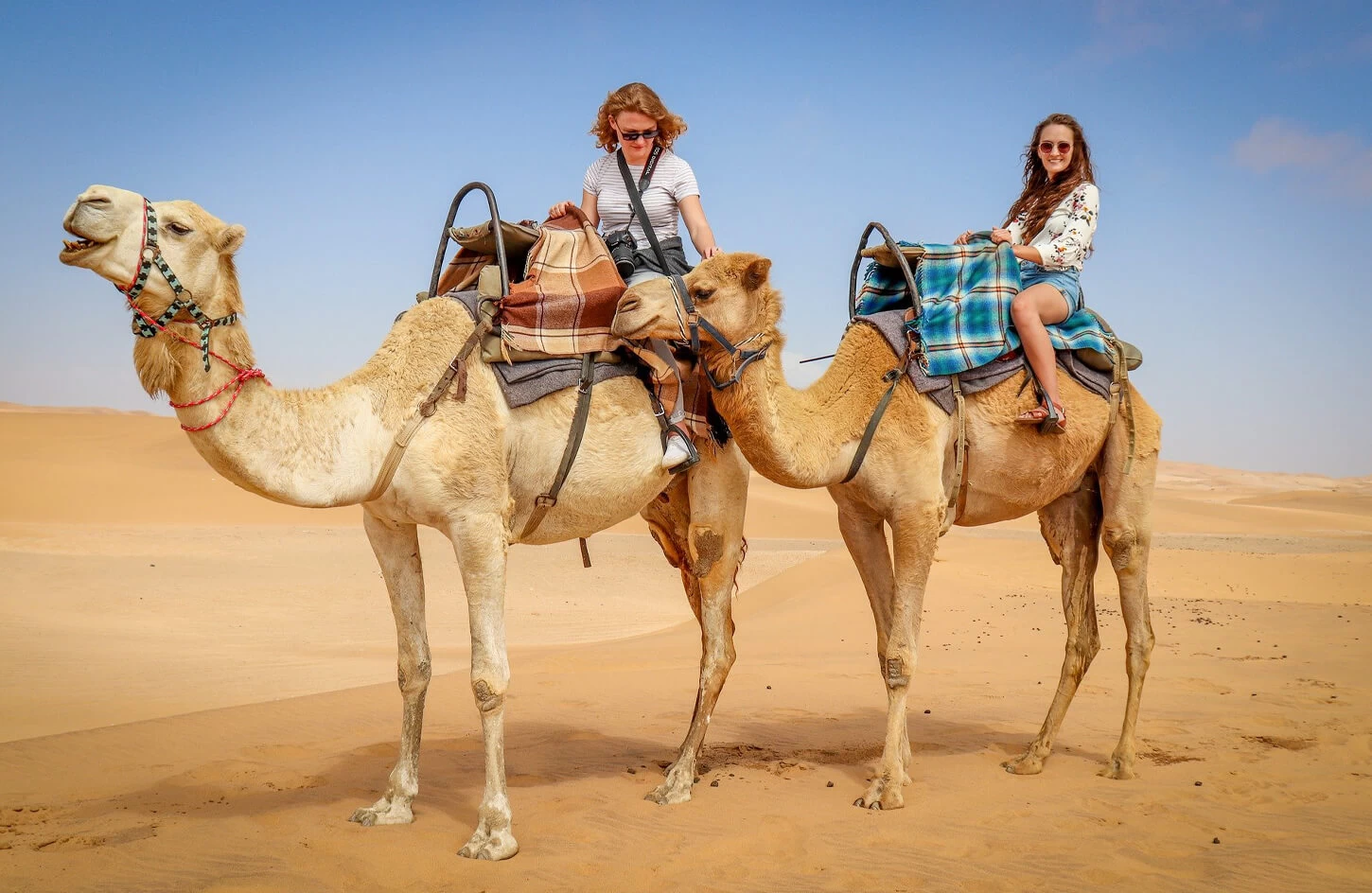
Get ready for a fabulous 14-day Egypt honeymoon package full of romance, adventure, and culture for the couple who loves to travel. Visit the Pyramids...

Discover Egypt with a 12-day classic tour to Cairo and Sharm El-Sheikh with a Nile Cruise. Relax by the Red Sea and visit famous attractions in Sharm...
 Egyptian History
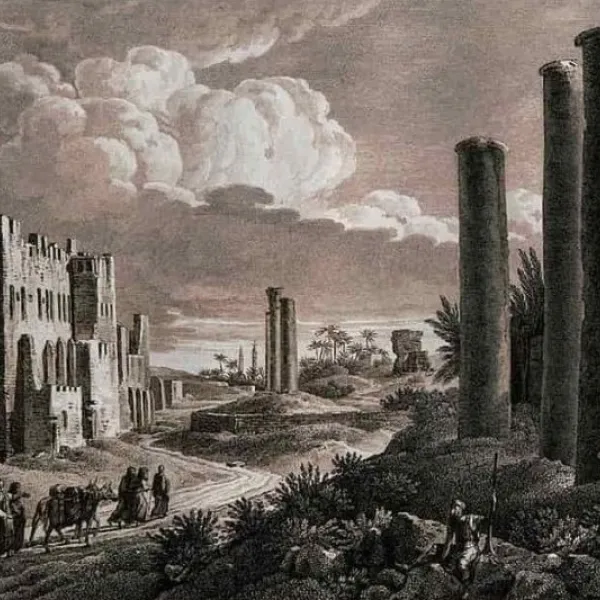
 Alexandria, Egypt, boasts a vibrant history starting from its establishment by Alexander the Great and going o...
 Egyptian History
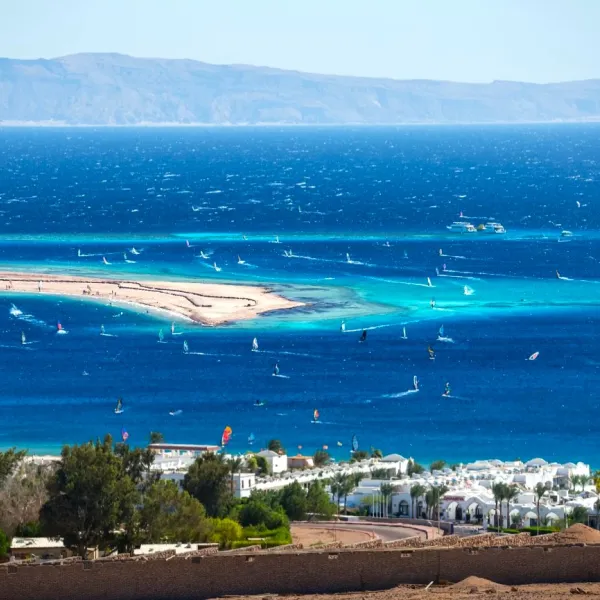
 Dahab was a former small and tranquil fishing village populated by Bedouins, which was only near the sea and d...
 Egyptian History
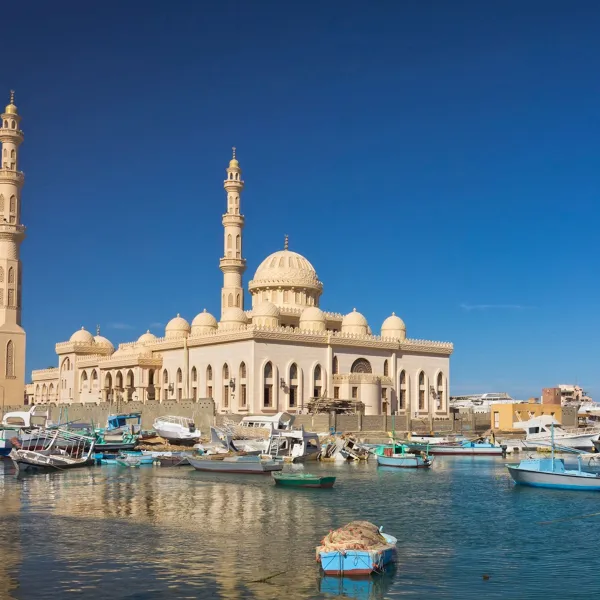
 More than a 100 years ago, Hurghada was nothing more than a little fishing village on the Red Sea coast. Its a...
Get our best Egypt travel tips and itineraries in your inbox — join our travel list.