A Brief History of Alexandria
Alexandria, Egypt, boasts a vibrant history starting from its establishment by Alexander the Great and going o...
Read article
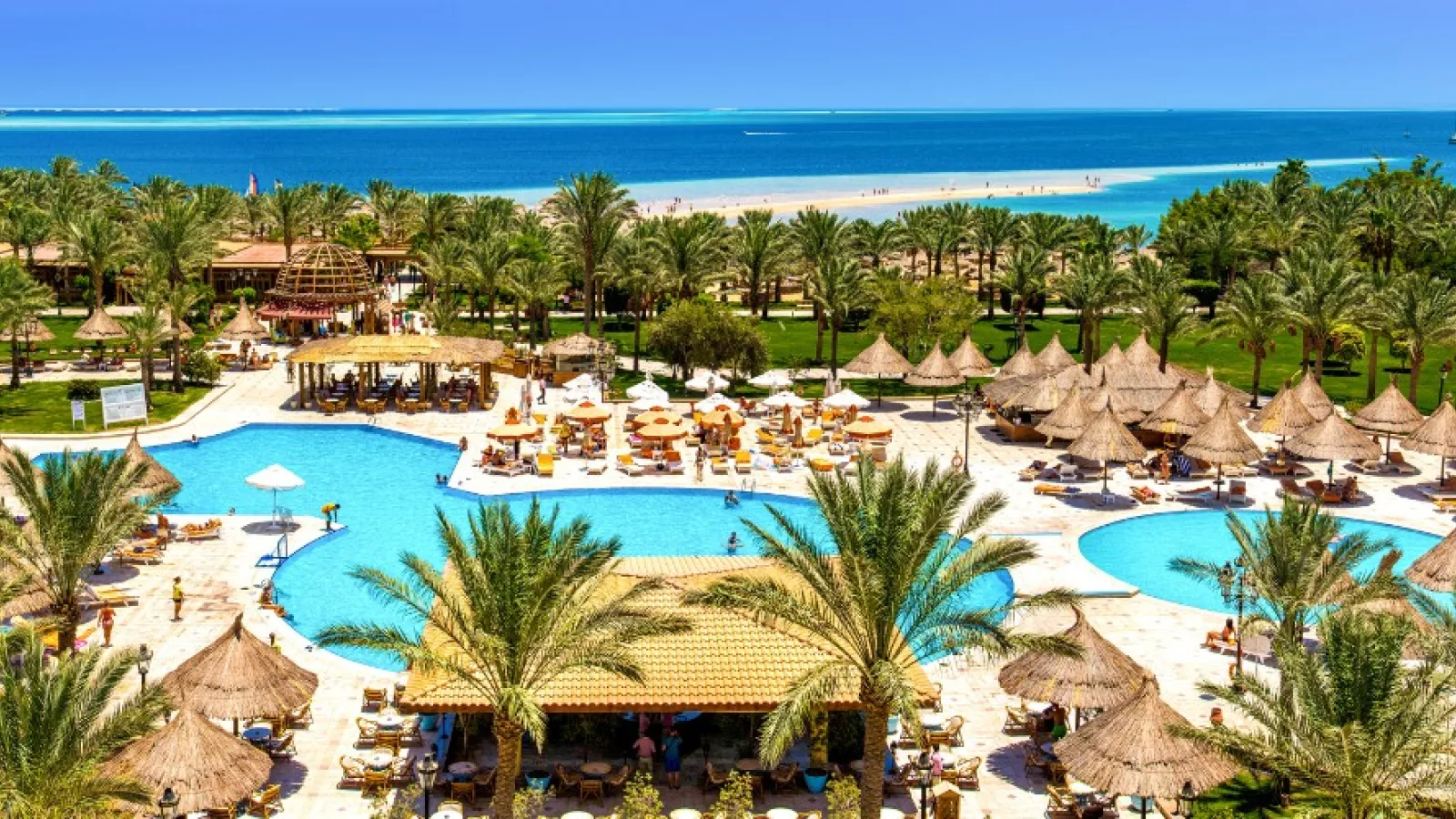
The history of Hurghada can be traced back to the early 20th century, around the year 1905, which makes it just a little more than 100 years old. Initially, it was a tiny fishing village situated on the coast, with the fishermen totally depending on the Red Sea for their livelihood. The quiet waters, plentiful fish, and protection from the winds provided by nature were the factors that made the site perfect for the first settlements. The existence was hard and very basic, and there were no paved roads, no electricity, or any modern facilities.
It was common to see people living in small huts made of palm fronds and other local materials surrounded by an area where fishing, pearl-collecting, and boat maintenance were the main activities of the day. The water was very limited, and so the inhabitants used wells and traded for the few necessary goods with the adjacent towns of El Quseir and Safaga for their means of survival.
Tell us when you can travel and we'll suggest the ideal route and season — usually within the hour.
Chat with a local expertDuring its initial period, Hurghada was a quintessential fishing center and also functioned as a minor trading post. The local fishermen were catching tuna, mackerel, and other different types of fish, while small boats were transporting the trade goods along the Red Sea coast. Besides, the village was a center for pearl diving, which was an eminent and highly paid job. Occasionally, traders coming from other Red Sea towns would visit Hurghada to trade goods like dates, dried fish, and simple handicrafts. Even though it was a small place, Hurghada’s location by the Red Sea rendered it a strategically important point for the link between Egypt and Nubia and other parts of Africa.
The coastal location of Hurghada has provided it with growing significance over the years. It was located on the Red Sea and, hence, became part of the maritime routes that connected Egypt to the Arabian Peninsula and East Africa. In the early 20th century, it was a tiny but very important port for fishermen and traders. Later on, with the increased interest of Egypt in the Red Sea region, Hurghada was looked upon as a city having both economic and strategic importance, thereby setting the stage for its future growth.
The discovery of oil in the vicinity during the 1940s and 1950s made Hurghada full of opportunities. Many workers, engineers, and government officials started moving in, prompting the construction of residential buildings, supply stores, and basic infrastructure. Electricity and piped water came intermittently, and small roads started to be constructed linking the village with other Red Sea towns. All these early developments would have contributed to the transitional status that Hurghada has undergone from a small fishing village to an economic prototype.
We'll tell you honestly what the weather and crowds are really like for your travel dates.
Chat with a local expertHurghada had remained a relatively small town until the 1970s, when the Egyptian Government began to push for more tourism on the Red Sea. It would be difficult to design a more suitable site than the crystal clear water, wonderful coral reefs, and clear, sunny beaches of the area thusly designated for beach resorts and diving site venues After the establishment of the first beach resorts, initially oriented to European guests, various activities such as snorkeling, scuba diving, boat rides, and desert trips inevitably attracted everyone. Operated by Egyptair, with flights to Europe, Hurghada International Airport opened in 1980; getting a direct connection to the city prompted an unprecedented increase in tourism and investment.
Becoming a pent-up hot tourist destination, the atmosphere throughout Hurghada was that of a tight-knit community. People lived simply and communally, all concentrating on fishing, family, and traditional Red Sea customs. Mariners had extreme proficiency in their craft, making superb use of it as boat builders, fishermen weaving nets, and also in pearl diving. They picked up the tradition of performing most of their religious and cultural pursuits in the local mosque months back, when the mosque truly served as a social hub, and when the people did their utmost to make certain that every Frakanishatan (Fish Moon) was marked with life and fervor worthy of the occasion, or alternatively every Bababuth (another name for a full moon).
Today, Hurghada is considered to be one of the most important resort cities in both Egypt and the Middle East. Enriching the coastlines, luxury resorts, private beaches, diving schools, and marinas are among the place's sightseeing marvels. They are famous for their scuba diving in the Giftun Islands, snorkeling on coral reefs, desert safaris, and yachting. It is a global tourist destination by virtue of its modern infrastructure that features hotels, restaurants, shopping malls, and international airports. Hurghada is pivoting between the historical roots and modern tourism and urban development, even though it is a relatively young city.
Today, A major tourist hub situated in the Red Sea, attracting millions of tourists yearly.
Get 8 days budget tour in Egypt with Cairo, Luxor, and Hurghada. Visit the Giza Pyramids, Luxor temples, and the beaches of Hurghada for a total exper...
Discover the 8-day luxury honeymoon package in Egypt that takes you to Cairo, Luxor, Aswan, and Hurghada. Have the Pyramids, Nile river trip, ancient...
 Egyptian History
 Alexandria, Egypt, boasts a vibrant history starting from its establishment by Alexander the Great and going o...
 Egyptian History
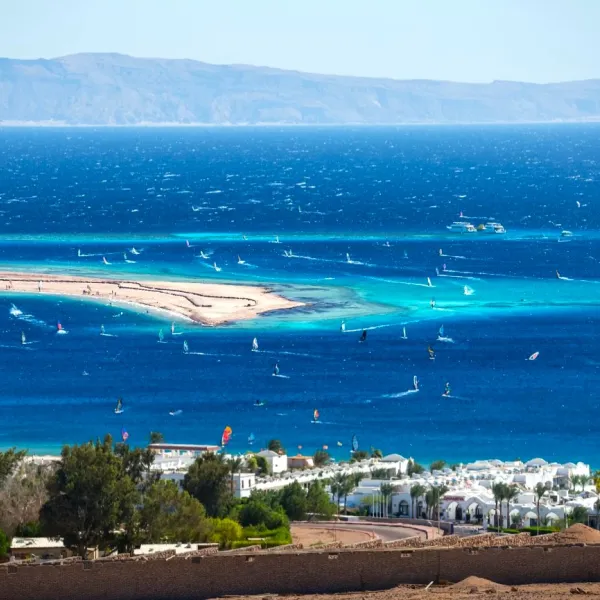
 Dahab was a former small and tranquil fishing village populated by Bedouins, which was only near the sea and d...
 Egyptian History
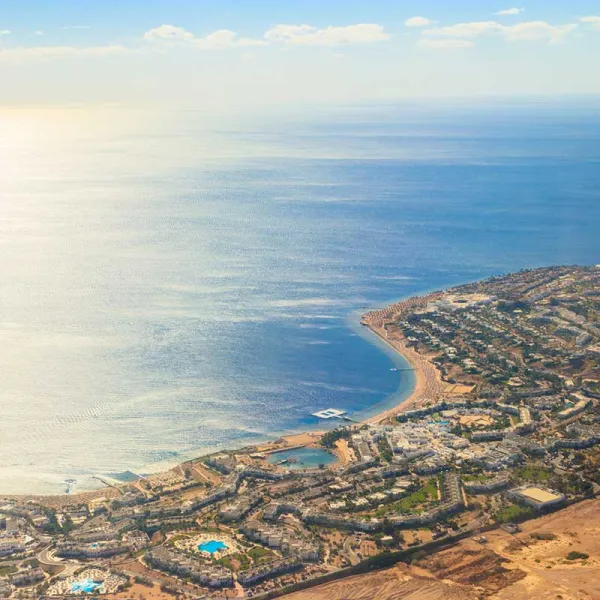
 Sharm El Sheikh has a modern history compared to many Egyptian cities but its story is very much connected wit...
Get our best Egypt travel tips and itineraries in your inbox — join our travel list.