A Brief History of Alexandria
Alexandria, Egypt, boasts a vibrant history starting from its establishment by Alexander the Great and going o...
Read article
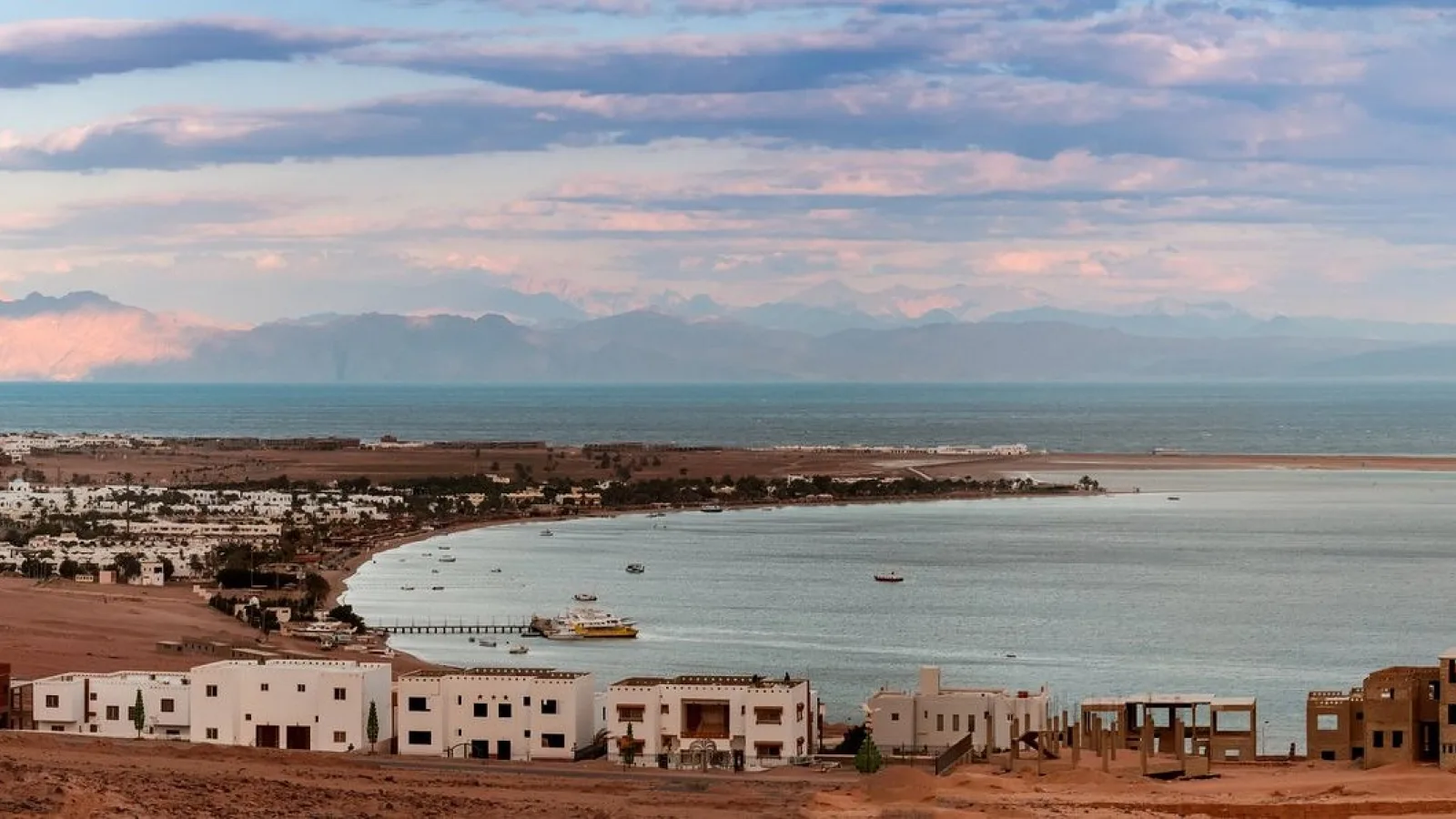
Dahab is more than a place to visit; it is a town that has gone through ages. History has been forged by time, nature, and human simplicity. Being situated on the eastern side of the Sinai Peninsula along the Gulf of Aqaba, Dahab narrates a story that mirrors the interior of the people and their environment. While modern development has enabled some cities to be built rapidly, Dahab was able to live slowly and thus keep its identity throughout the years.
Tell us when you can travel and we'll suggest the ideal route and season — usually within the hour.
Chat with a local expertInitially, the Dahab's setting was characterized by vibrant desert mountains coalescing with the serene blue sea of the Red Sea. The location was naturally defended by the bay's curve, allowing it to be a perfect place for wind and sea current shelter. These natural characteristics made Dahab an attractive spot long before the establishment of permanent settlements. The ocean was a source of plenty of fish, while the desert was a provider of pastures and natural access ways across Sinai. This particular geography dictated the course of Dahab's history at every interval.
The first human beings to step on the land that is present-day Dahab are said to be the Bedouin tribes, who were leading a nomadic way of life and were moving between the desert and the coast. They were not looking for permanent urban settlements; rather, they built temporary shelters that were in harmony with the land and the climate.
The economy was mainly based on fishing, herding, and limited trading. Social life revolved around family relationships, oral traditions, and a great respect for nature—these values are still present in Dahab's culture today.
We'll tell you honestly what the weather and crowds are really like for your travel dates.
Chat with a local expertThe word "Dahab," which translates to "gold" in Arabic, is directly related to the town's natural look. The golden sands that mirrored the sun's rays, particularly at dawn and dusk, developed a beautiful and glamorous area which was very much noticeable along the coastline. Besides, there are some historical references that have also suggested that Dahab represented worth merely in terms of location and resources rather than actual gold. It was "golden" for those who made their living by it.
Like much of Sinai, Dahab was affected by political and military changes during the mid-20th century. However, its small size meant it remained largely untouched compared to larger cities. These years passed quietly, with little impact on everyday life. The turning point came after the Sinai Peninsula was returned to Egypt in the early 1980s, opening the door for a new chapter.
In contrast to resort cities that were entirely built and designed, the flow of tourists to Dahab was a natural and slow process. The first tourists were mainly solo adventurers, divers, and explorers, who were lured by the sheer and unspoiled charm of the Red Sea coast. Dahab, unlike the areas where heavy commercialization took place, provided a rare period of freedom and simplicity.
The local Bedouin families were the main actors in the role of hospitality for these tourists. They constructed small beach camps along the coast, providing the most rudimentary facilities like food, handmade huts, and directions for sea and desert exploration. People who came there soon learned that Dahab was not only a place where one could rest but also an experience where one could live with the Bedouins, acquire their customs, and have a genuine link to nature.
Dahab turned out to be a cultural melting pot of sorts over the years. Travelers of all kinds from different continents came and mingled to experience a new way of life, rather than just indulging in diving or relaxing. Gradually, small cafés, yoga retreats, and dive centers appeared in the area, and the management was shared by both local people and foreign visitors. The town, however, preserved its Bedouin heritage unpretentiously, and the traditional hospitality, local food, and storytelling remained the beating heart of the place, thus strengthening the link between past and present.
The local Bedouin community was the mainstay of cultural identity preservation. Visitors could participate in making traditional dishes, discover the secrets of herbal medicines, or enjoy listening to songs and tales that have been told for centuries. The cultural exchange process was not only one-way; tourists, in turn, disclosed their own viewpoints, ideas, and crafts, thus contributing to the town's social texture, which was not very strong at that time. The festival activities, trade fairs, and public gatherings were often showcases of this local-global interaction and aiming at offering not only authentic but also accessible experiences to foreigners.
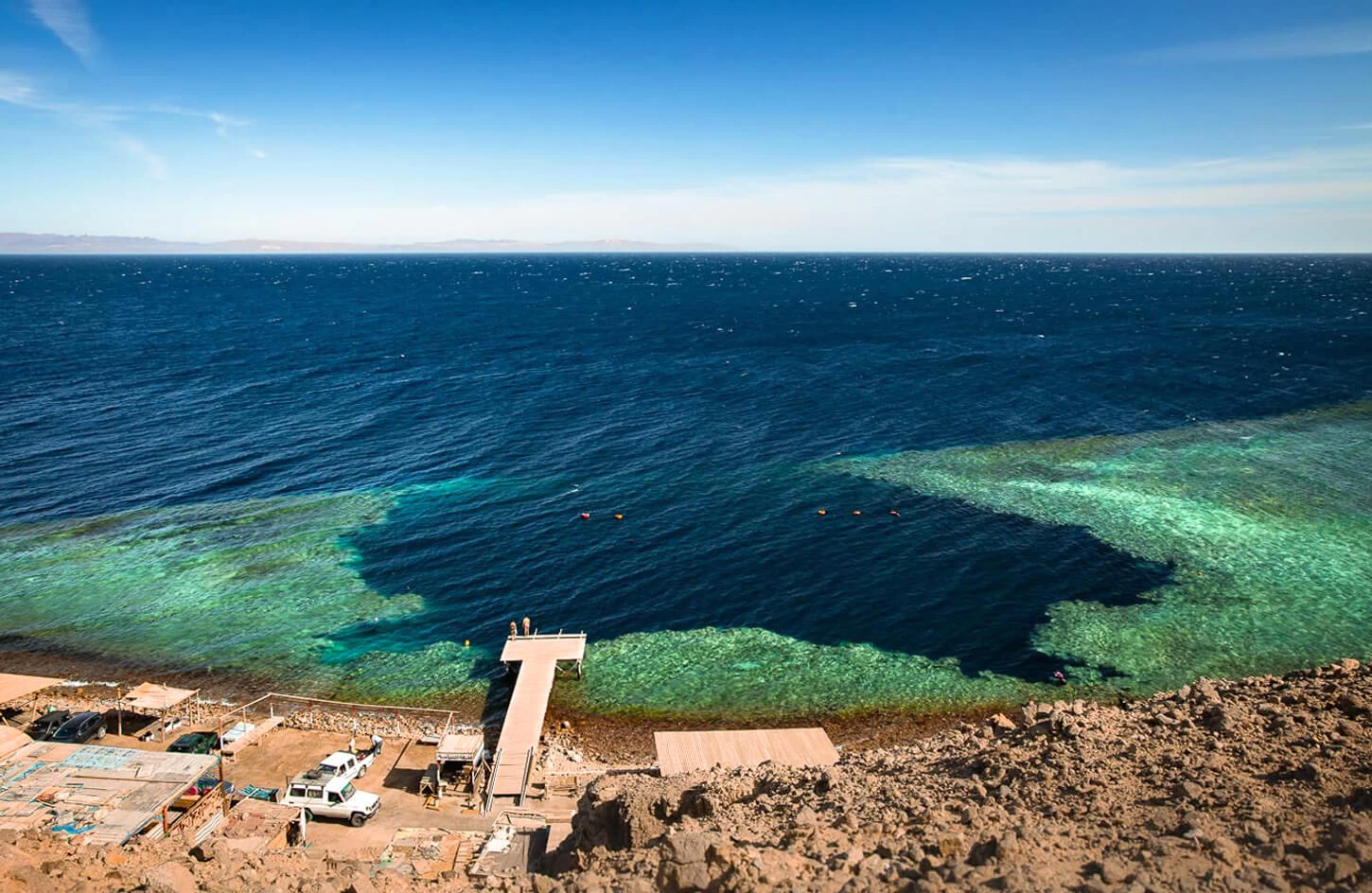
The trip must be a combination of repose and adventure. This is a 4-day excursion to the Red Sea from Cairo. From diving the legendary Blue Hole, to w...
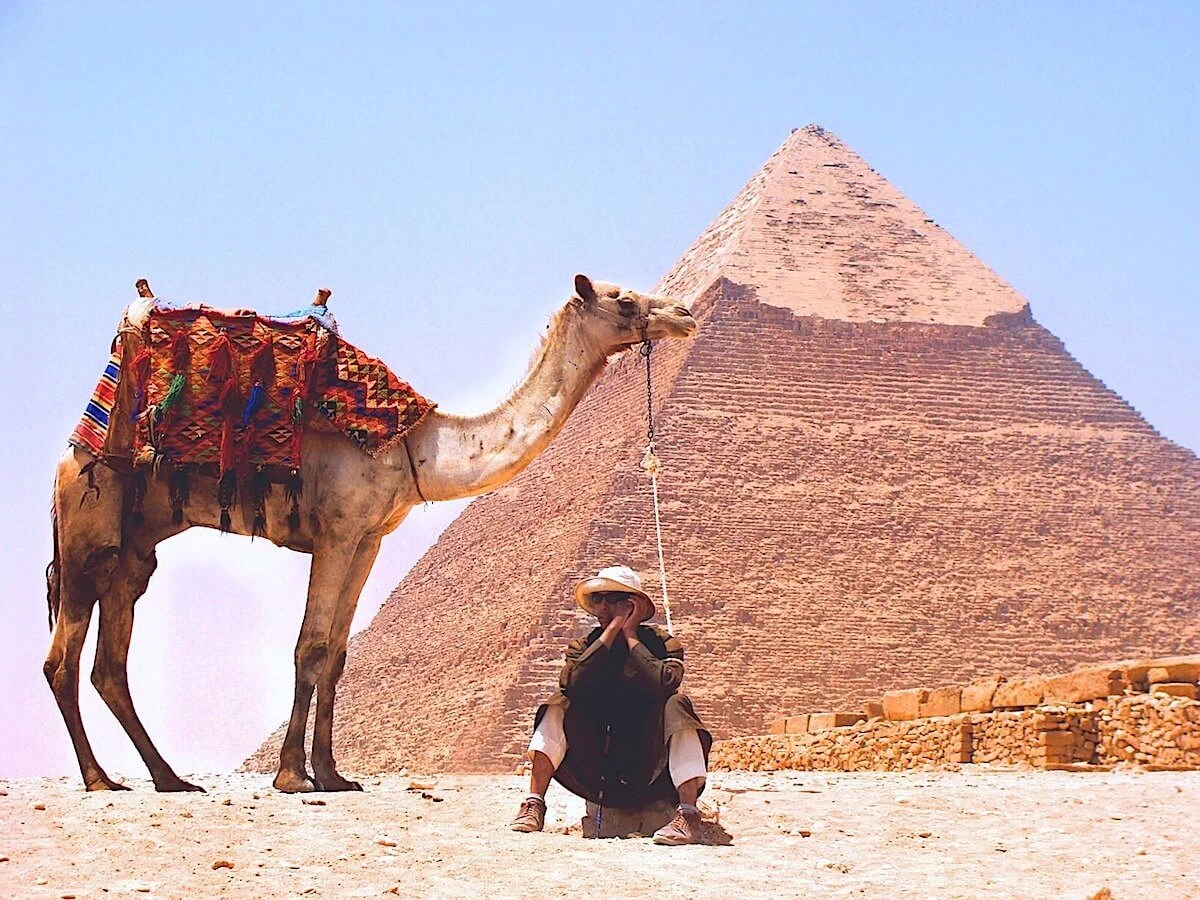
Enjoy a full-day Cairo adventure with a flight from Dahab day tour. One of the most exciting Dahab day trips, this tour offers a smooth and fast escap...
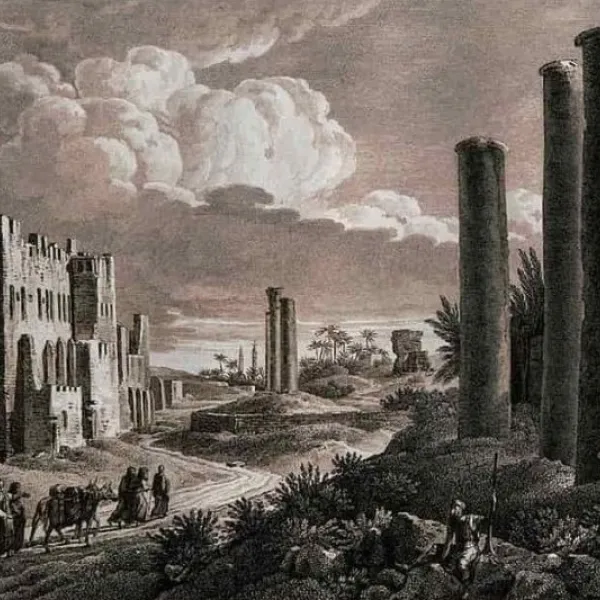 Egyptian History
 Alexandria, Egypt, boasts a vibrant history starting from its establishment by Alexander the Great and going o...
 Egyptian History
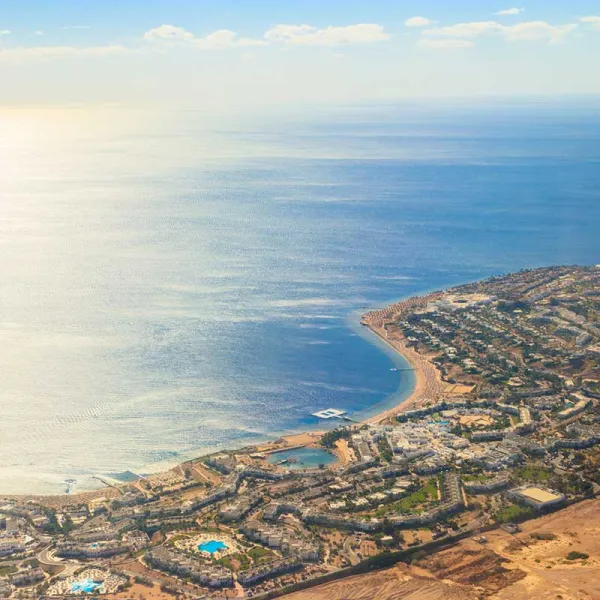
 Sharm El Sheikh has a modern history compared to many Egyptian cities but its story is very much connected wit...
 Egyptian History
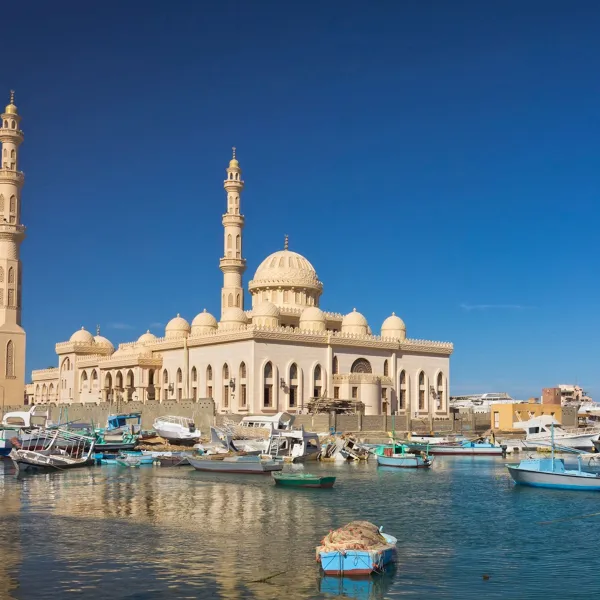
 More than a 100 years ago, Hurghada was nothing more than a little fishing village on the Red Sea coast. Its a...
Get our best Egypt travel tips and itineraries in your inbox — join our travel list.