A Glimpse Of The City Of Dahab From The Past
Dahab was a former small and tranquil fishing village populated by Bedouins, which was only near the sea and d...
Read article
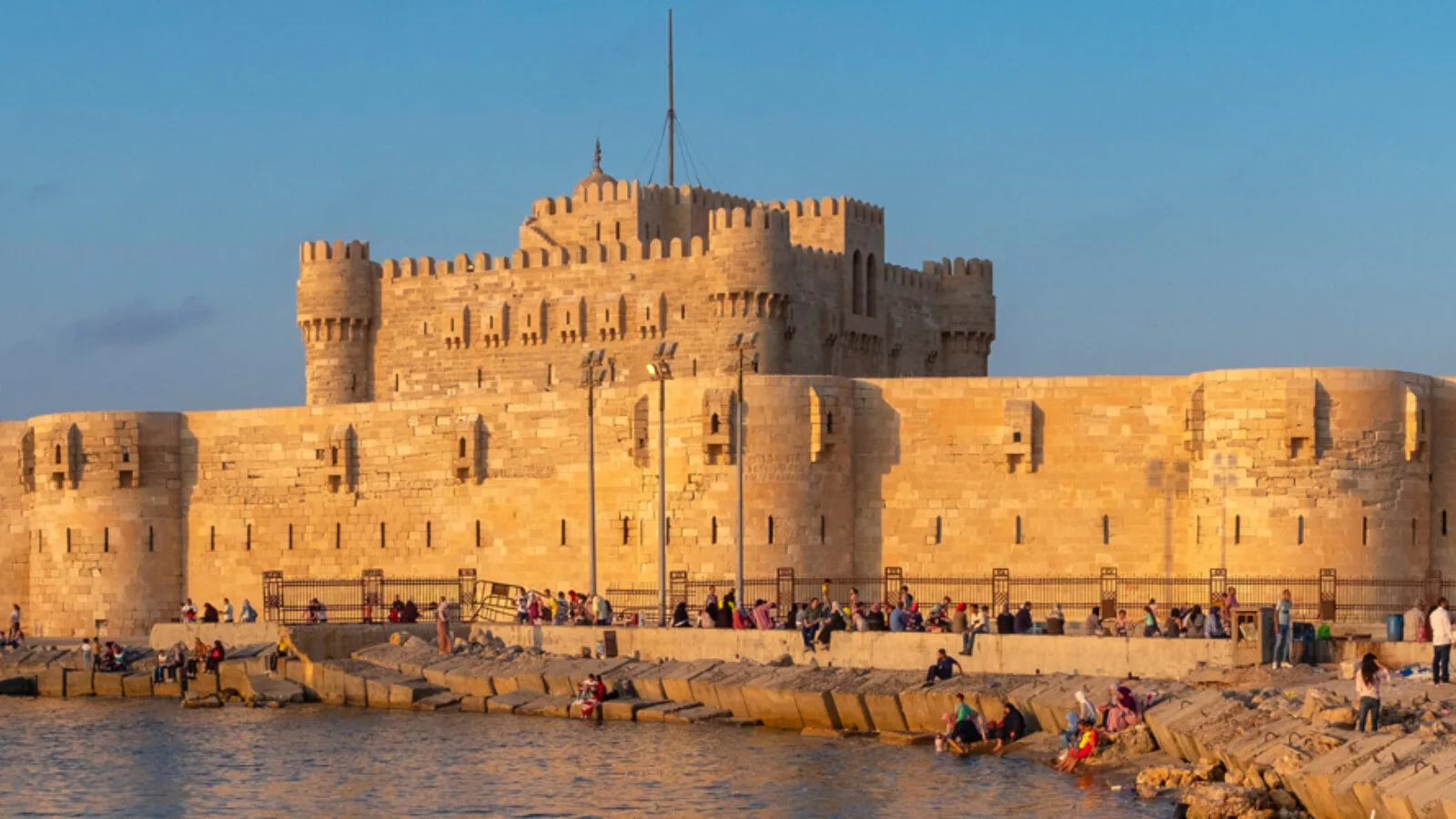
With a history reflecting the tremendous diversity of the Mediterranean Sea, Alexandria, the second-largest city of Egypt, has not only survived but also flourished. Over more than 2 millennia, from being a seaport city of the Greeks and Romans to the current day as the capital of the Egyptian province of the same name, the city has preserved its historical and cultural character. It has been an up-and-coming and down-and-out place all at once: it was a city with great dreams, high hopes, and a legacy that was to last beyond its extinction.
The Nile and Mediterranean Sea, the city’s Dulcinia, offered commerce and the rich soils, the fresh water, and the control over the routes that the ships wanted to take. This mineral mix was the reason for Alexandria’s rapid rise in both trade and population; obviously, people from all over the Mediterranean were attracted to it. It made the city’s early development even more splendid in the sense that it set the foundation for centuries of cultural, economic, and intellectual prosperity.
Tell us when you can travel and we'll suggest the ideal route and season — usually within the hour.
Chat with a local expertIn the year 331 BC, Alexander the Great made a decision to build the city of Alexandria right on the northern coast of Egypt. He determined a very good place near the Nile delta to create a city mainly to be a port connecting Egypt and the Mediterranean world. The city was very well planned with large roads, magnificent public areas, and a port that was even planned to be the harbor at the beginning of its future as a bustling urban center.
Alexander's vision was not only confined to military victories. He opened the gates for the influx of the Greek architects, engineers, and artists, and ensured that the city would be patterned after Hellenistic urban principles. The forums, the theaters, and the temples that were among the public places were intricately laid out in such a way as to combine both the Greek and the Egyptian ways of life. The early blending of two cultures gave birth to a distinct urban character that continued to have an impact on the city for centuries.
The Ptolemaic dynasty made Alexandria the world's intellectual center. The world-famous Library of Alexandria accommodated hundreds of thousands of papyrus scrolls; thus, it was antiquity’s biggest knowledge storehouse. Scholars from all kinds of domains, like astronomy, mathematics, medicine, philosophy, and literature, came to the city for educational purposes from Egypt, Greece, and further places. Along with the library, the Mouseion—a center for research and scholarly activities—lured thinkers and philosophers from all over the Mediterranean. Alexandria's Lighthouse, or Pharos of Alexandria, was not just a landmark for navigation but also a representation of the city’s desire to be the leader in technology and architecture. These accomplishments, combined, gave Alexandria the status of a learning and innovation center in the world.
We'll tell you honestly what the weather and crowds are really like for your travel dates.
Chat with a local expertThe history of Alexandria is characterized by diversity. Through the years, the city has been populated by Greeks, Romans, Jews, Arabs, and later on, Europeans. They not only changed its architecture but also its cuisine and daily life. Temples, theaters, and marketplaces were all a part of the mingling of different ideas and traditions; thus, Alexandria was already a cosmopolitan city even before the term was coined centuries later.
The Jewish community, for instance, was an important trade partner and had a big impact on the development of scholarship. Hellenistic influence was still alive in education, philosophy, and public administration. Roman and Byzantine empires brought new architectural styles, public baths, and roads. This confluence of cultures gave birth to a city having a multicultural identity where different languages, religions, and customs lived together.
The Roman Empire annexed Egypt, but ancient Alexandria very much enjoyed the privileges of being a main trade and intellectual center. The city’s ports and shipping facilities held the Mediterranean sea trade of grain, papyrus, and other manufactured goods. Greeks, Romans, Egyptians, and Jews formed a large part of the urban population and thus created a very mixed and colorful social environment.
Byzantine era saw the rise of Alexandria as a stronghold of Christian theological discourse and learning. The city became a battleground of opinions and theological schools, thus marking its importance for early Christianity. Being subjected to political turmoil and invasions did not stop Alexandria from being a port, cultural, and intellectual center of the world.
Alexandria nowadays is a lively combination of antiquity and modernity. The tourists are offered not only to visit Qaitbay Citadel, Roman Theatre, and the Catacombs of Kom El Shoqafa, but also to enjoy the up-to-date facilities provided on the Mediterranean Corniche. The city's diverse past lies at the very root of its appeal, from an ancient Greek settlement to a bustling Mediterranean port town; it still attracts and even sometimes baffles people.
The ports, universities, and cultural centers of the city are indicators that Alexandria is still very important for trade, education, and the arts. Besides that, the festivals, art exhibitions, and historical tours are ways for the visitors to interact with the city’s rich past whilst being part of the modern world. Alexandria is still a city, but a living museum of civilizations where every street, monument, and neighborhood narrates a tale that stretches across two thousand years.
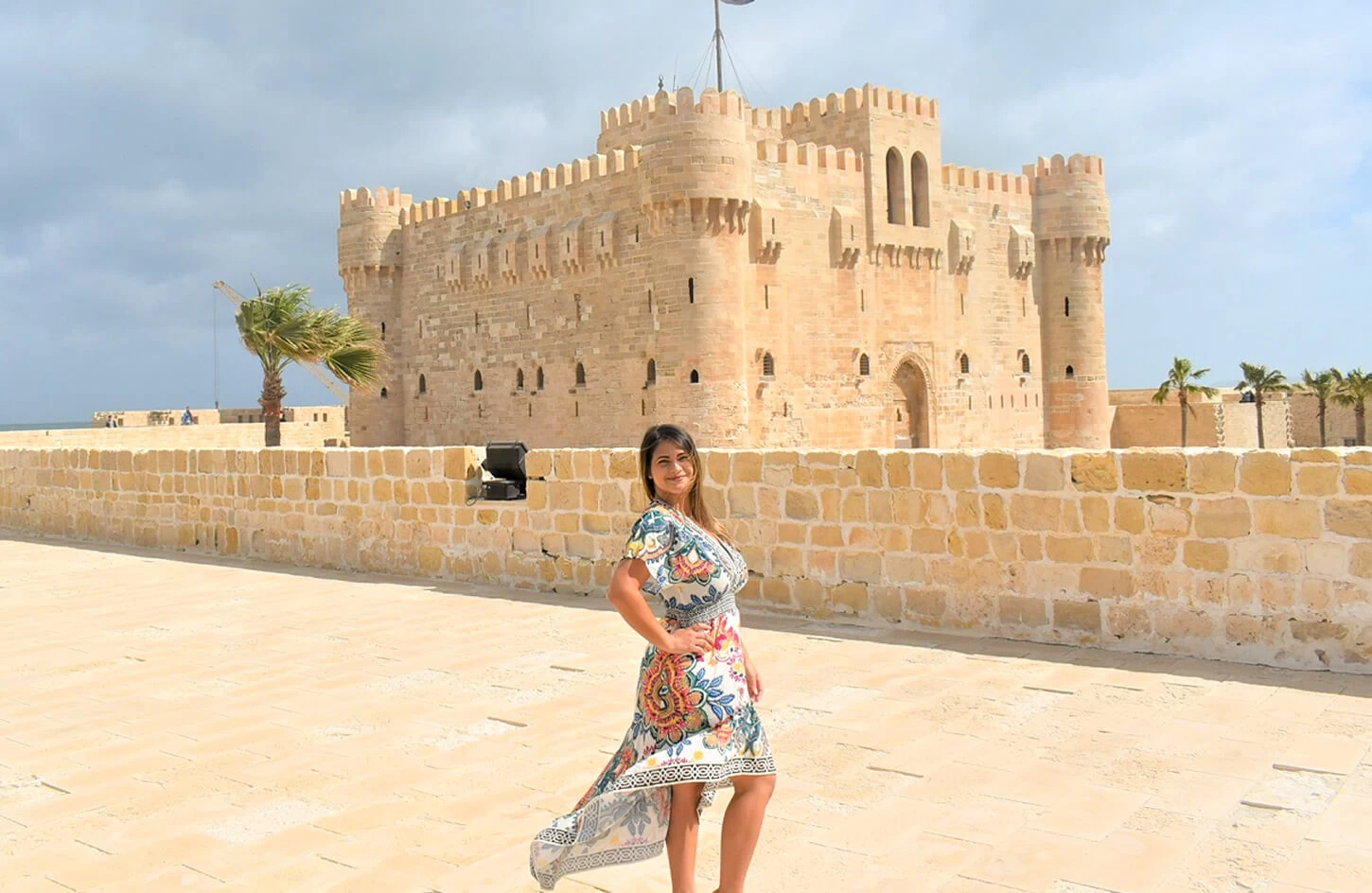
Enjoy an unforgettable Alexandria day trip from Cairo on a private guided tour to Egypt’s Mediterranean pearl. Join a Cairo to Alexandria private day...
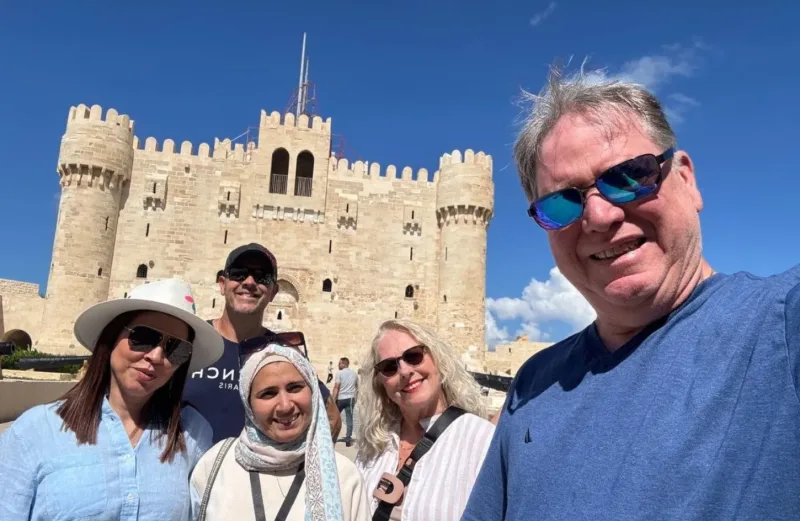
Explore Cairo and Alexandria within four short days with Egypt short breaks. Following which, you may visit the Giza Pyramids and the Grand Egyptian M...
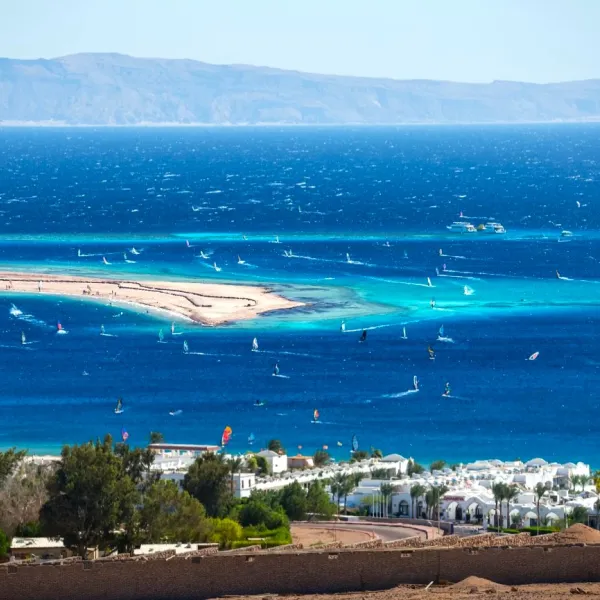 Egyptian History
 Dahab was a former small and tranquil fishing village populated by Bedouins, which was only near the sea and d...
 Egyptian History
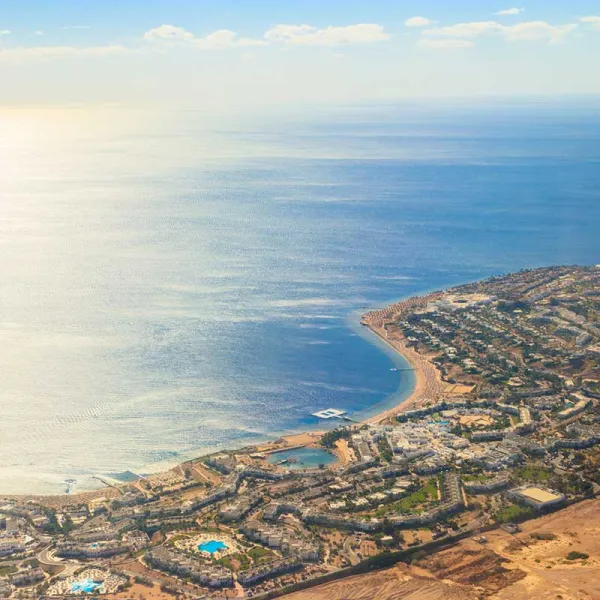
 Sharm El Sheikh has a modern history compared to many Egyptian cities but its story is very much connected wit...
 Egyptian History
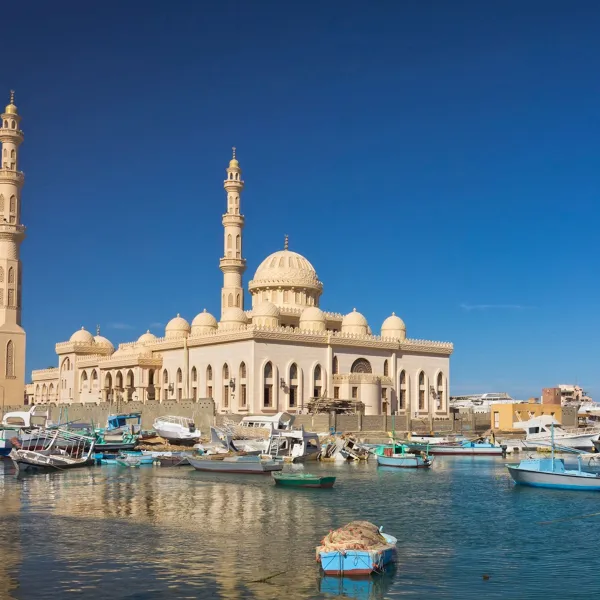
 More than a 100 years ago, Hurghada was nothing more than a little fishing village on the Red Sea coast. Its a...
Get our best Egypt travel tips and itineraries in your inbox — join our travel list.