A Brief History of Alexandria
Alexandria, Egypt, boasts a vibrant history starting from its establishment by Alexander the Great and going o...
Read article
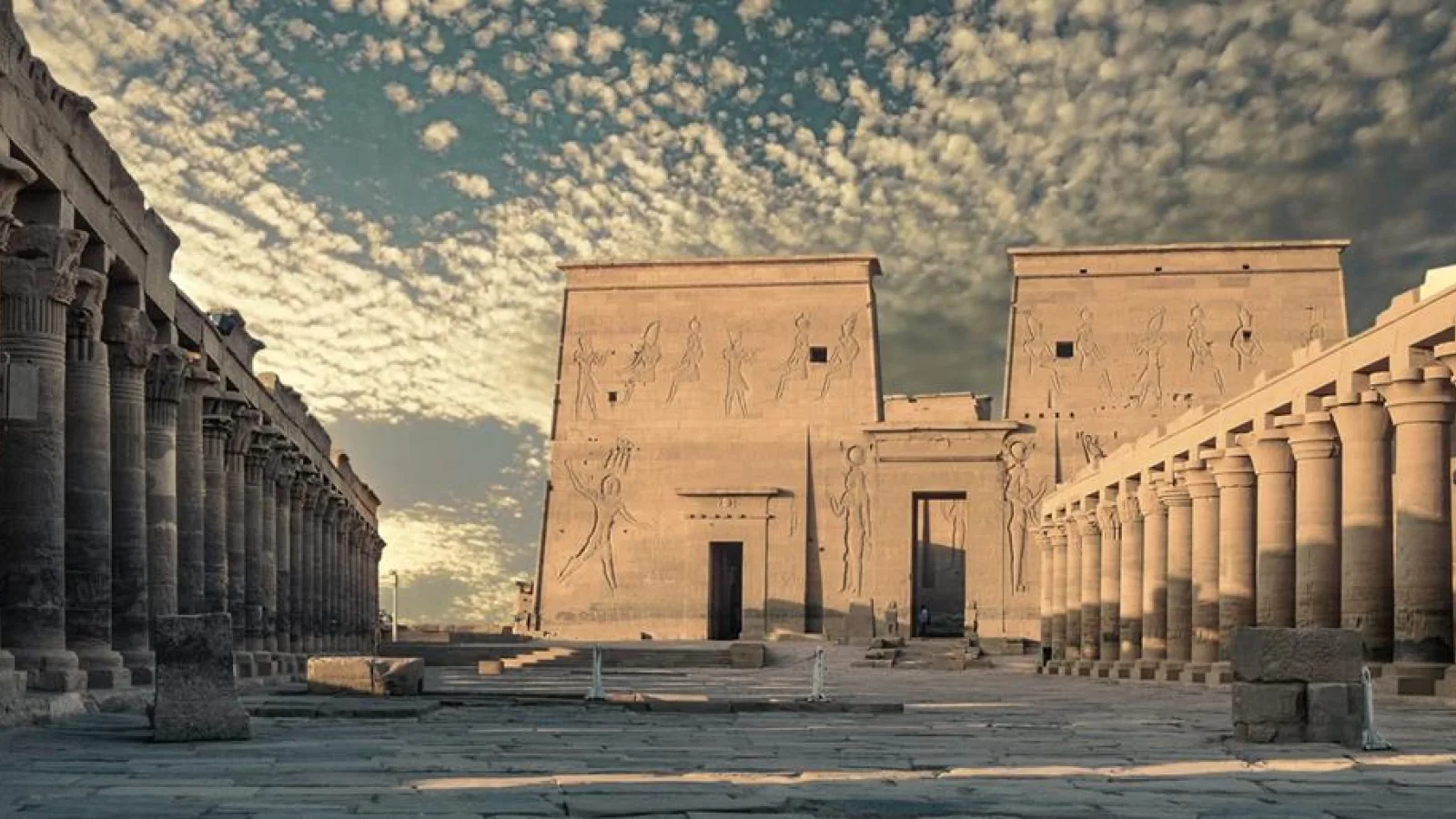
Aswan is considered to be one of the oldest cities in Egypt that has been inhabited without interruption, and its history stretches back more than 5,000 years. The city was known by the ancient Egyptians as Swenet, which is a term that means “trade” or “market,” and it was an indication of its early role as a commercial center. Aswan was situated on the east bank of the Nile in Upper Egypt, close to the southern boundary of the country. The city’s location was very advantageous, and it became the main point through which Egypt and Nubia were able to cross; thus, it was able to control the flow of people, commerce, and communication not only to and from Africa but also to and from the most important part of the Egyptian civilization. At first, Aswan was just a little settlement, but soon it was able to develop into an important administrative and military center, thanks to its access to the Nile and the resources available in the surrounding areas.
Tell us when you can travel and we'll suggest the ideal route and season — usually within the hour.
Chat with a local expertThere was a time to come when Aswan would very much become a trade route with Nubia and, by so doing, would be part of the ancient Egyptian trade. It used to be the most sought-after destination for the caravans that carried gold, ivory, incense, and other precious stones along with exotic animals and spices. The goods would then be sent up north by the Nile to the temples, palaces, and the king’s houses. Aswan’s role in the control of trade coming from the south gave it the strength and maybe even the hope of being of great economic importance. The city also played the part of a tax and customs center, the place where all the goods coming into Egypt were counted and thus regulated by the officers.
The famous granite quarries of Aswan were one of the biggest historical contributions of the city, as they provided stone for the most recognized monuments of Egypt. The red granite taken from Aswan was extensively used for statues, sarcophagi, temples, and even obelisks all over Egypt. The quarries of Aswan furnished the raw materials for the famous structures in Luxor, Karnak, and even Cairo. The unfinished obelisk, which is still seen today, gives a good understanding of the engineering skills and stone-cutting techniques used by ancient Egyptians.
We'll tell you honestly what the weather and crowds are really like for your travel dates.
Chat with a local expertAswan was very important from a religious point of view in ancient Egypt, mainly due to the worship of Khnum, the ram-headed god who was thought to be the one who controlled the annual flood of the Nile. His most important temple was located on Elephantine Island, which was also a place for administration and military purposes. Other gods of Aswan were Satet and Anuket, who also had the Nile as their source and, therefore, were associated with fertility, protection, and the river. Elephantine Island was a cultural mixing pot of Egyptian and Nubian, which showed the uniqueness of Aswan as a border town.
Aswan was a protective barrier for Egypt in the south throughout the ancient period. The kingdom was protected from invasions, and the trade routes were secured by building fortresses and military outposts. The city provided the base for military campaigns and sending diplomatic missions into Nubia. This function increased Aswan's political significance and made it a constantly developing city through the different dynasties.
Aswan continued to be a major center throughout the Ptolemaic, Roman, and Islamic periods, showing adaptability to the shifts of power and culture. In contemporary times, the building of the Aswan Low Dam first and then the Aswan High Dam later on changed the city’s economic and agricultural conditions. The projects altered the river’s flow, increased the irrigated area, and set up new factories in the area, along with the preservation of the ancient monuments by means of international rescue campaigns.
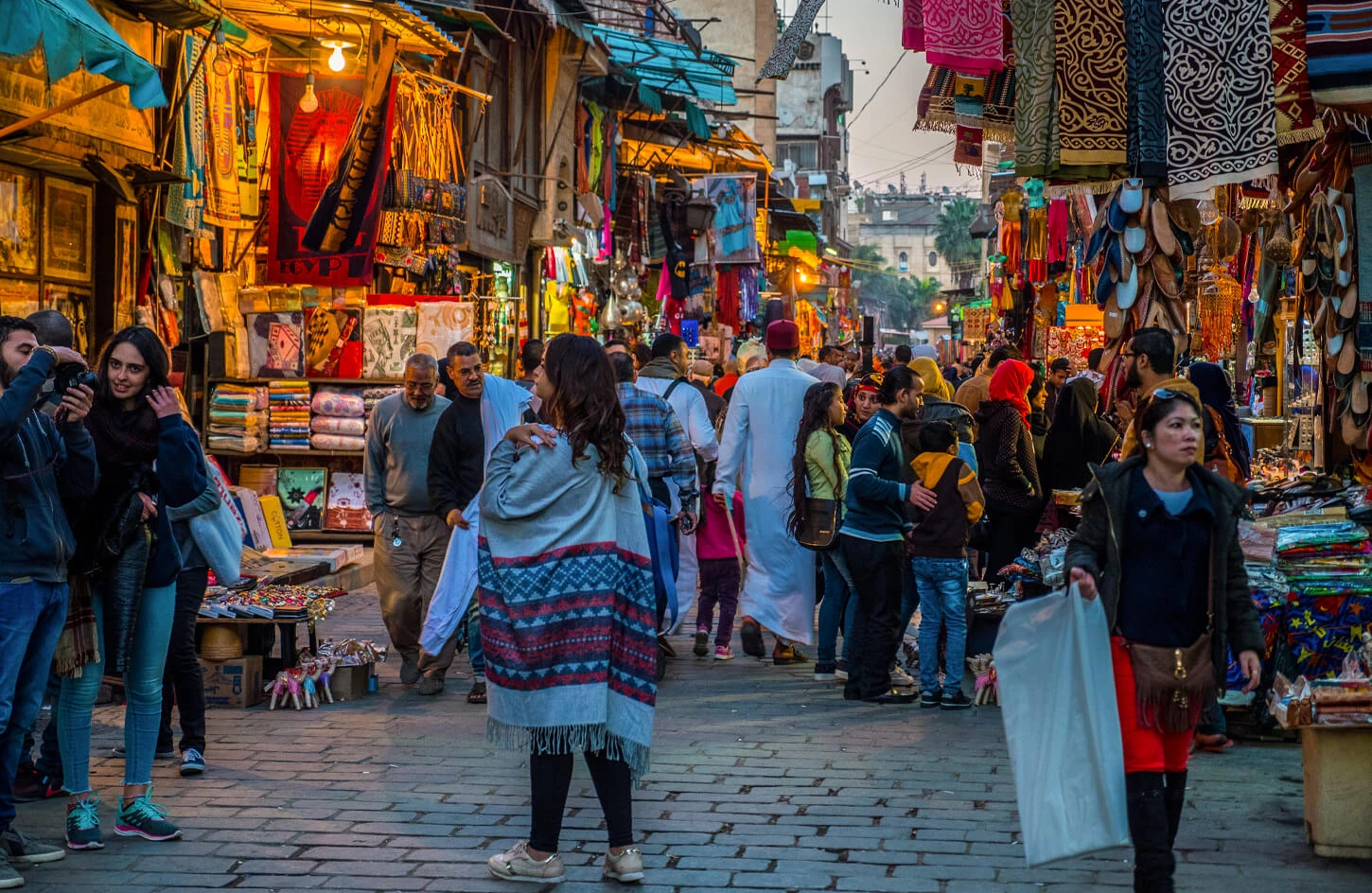
Experience 8 days ultimate Egypt vacations exploring Cairo, Aswan, and Luxor. Discover the Pyramids, Grand Egyptian Museum, Luxor temples, and a hot-a...
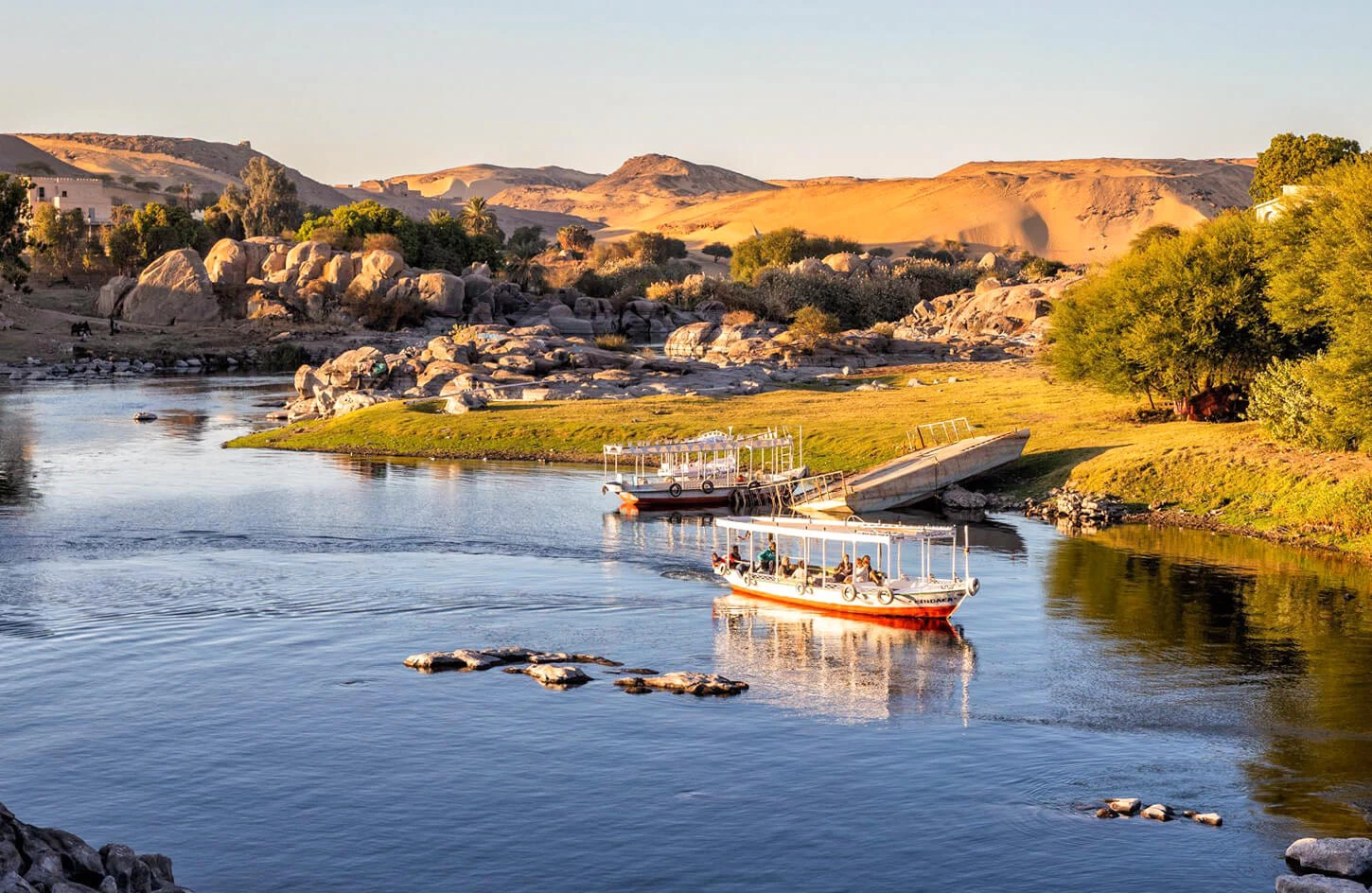
Felluca cruise on the Nile is a delightful way to show the beauty of Aswan city, whether in the breath-taking scenery or in the serenity itself, offer...
 Egyptian History
 Alexandria, Egypt, boasts a vibrant history starting from its establishment by Alexander the Great and going o...
 Egyptian History
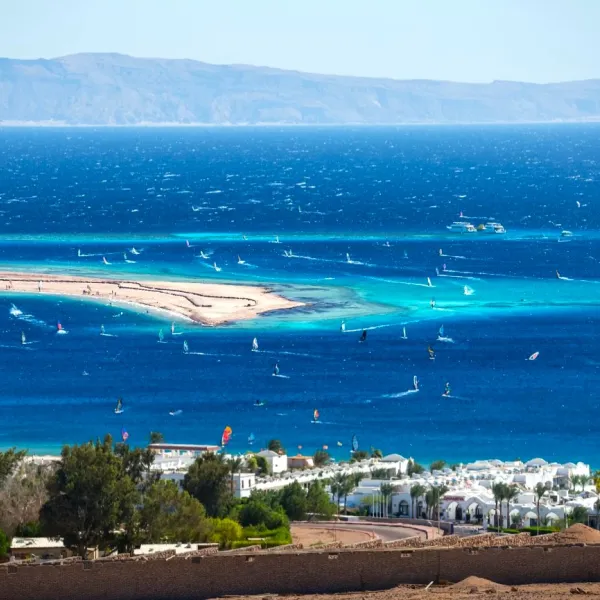
 Dahab was a former small and tranquil fishing village populated by Bedouins, which was only near the sea and d...
 Egyptian History
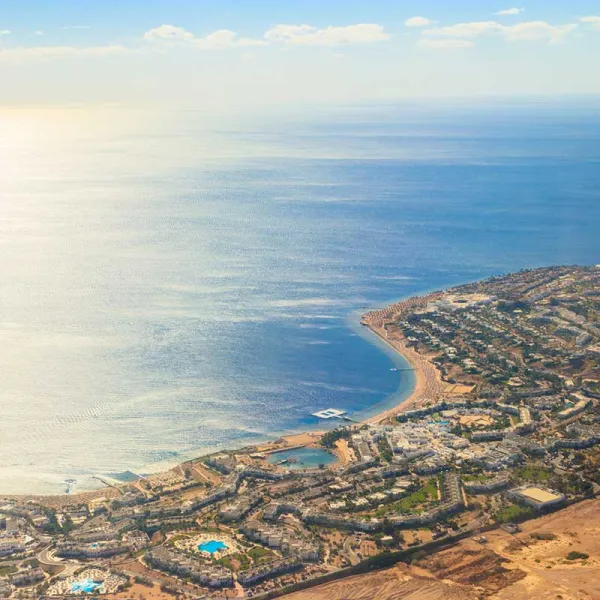
 Sharm El Sheikh has a modern history compared to many Egyptian cities but its story is very much connected wit...
Get our best Egypt travel tips and itineraries in your inbox — join our travel list.