A Brief History of Alexandria
Alexandria, Egypt, boasts a vibrant history starting from its establishment by Alexander the Great and going o...
Read article
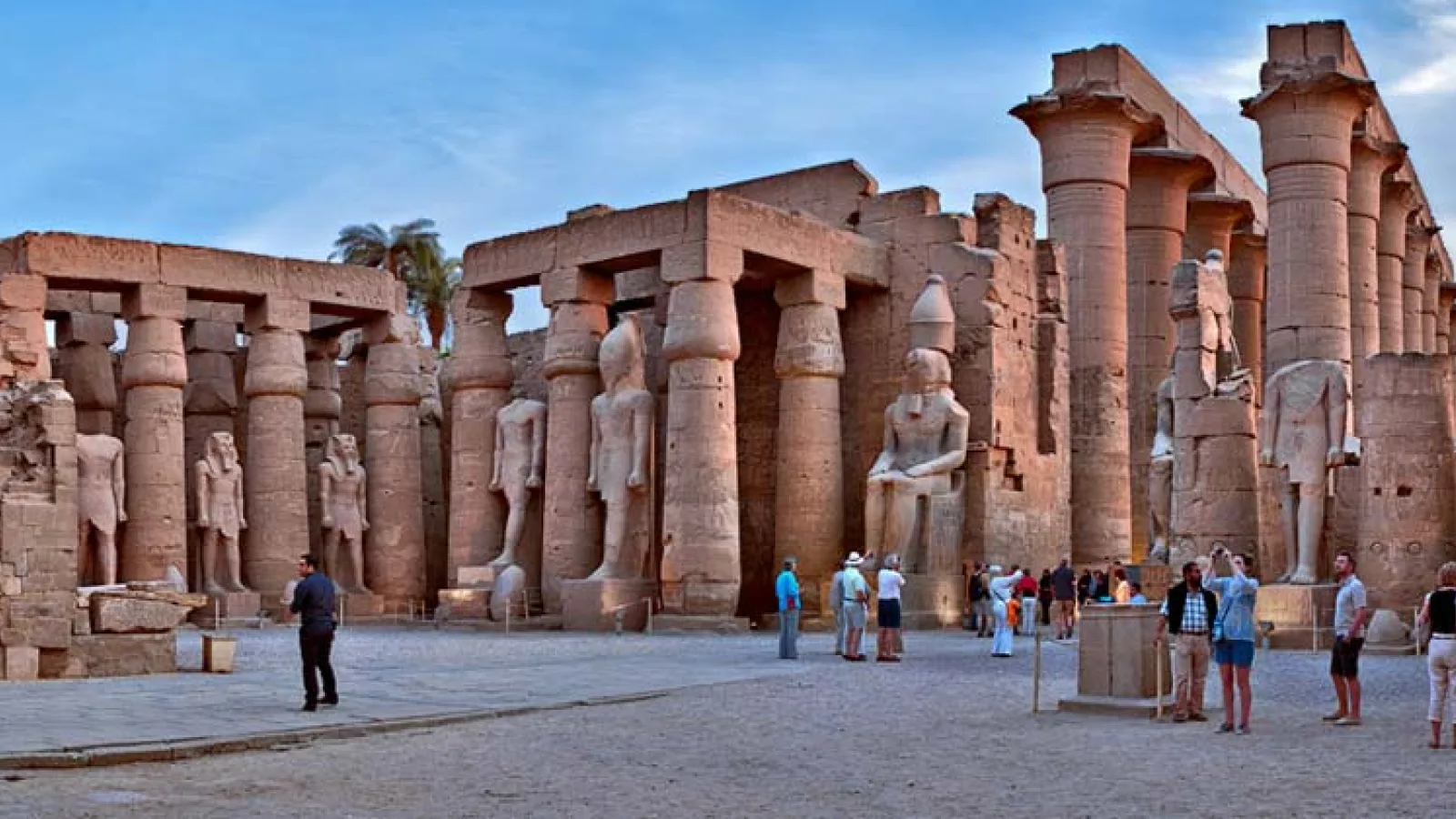
Luxor, the ancient Thebes, was established more than 4,000 years ago at the lush Nile banks in Upper Egypt. The Nile, being right there, made Luxor's access for transport, trade, and irrigation very convenient. The small settlement of Luxor quickly evolved into a significant political and religious center due to the nearby natural resources and the trade routes that led to it. The pharaohs early on realized its value and made it their capital during the Middle and New Kingdoms. The city development entailed administrative buildings, living quarters for the officials, and even the early temples, thus Luxor was brought to the forefront of power and administration. Along with being the political capital, Luxor was also the economic center of Egypt as the taxes were collected there, the trading of both grain and luxury goods took place, and the local matters were managed, and so on.
Tell us when you can travel and we'll suggest the ideal route and season — usually within the hour.
Chat with a local expertLuxor gained the reputation of the center of religion, art, and politics right from its inception. The Theban Triad formed the core of the city’s worship: Amun-Ra, the god of the gods; Mut, his wife; and Khonsu, the god of the moon. Luxor opened its doors for sumptuous religious feasts and processions, as well as the annual celebration, which attracted people from the entire country. The city was populated by priests, scribes, artisans, and workers who not only looked after temples but also created and sold art, as well as getting involved in the state rituals. The role played by Luxor in education and literacy was enormous; students were trained in hieroglyphics and religious texts, while architects and artisans mastered advanced construction methods. It was Luxor that made Egypt’s religiousness and political power by mirroring the luxury of the pharaonic era.
We'll tell you honestly what the weather and crowds are really like for your travel dates.
Chat with a local expertThe temples of Luxor are among the most sought-after and visited places on earth. The Karnak Temple Complex, which is a huge area made up of various structures over a period of two thousand years, is known for its enormous pylons, giant statues, obelisks, and detailed hieroglyphics. The temple of Luxor, which was mainly constructed by Amenhotep III and Ramses II, became a center for coronation and religious festivals. The West Bank was the location of the Valley of the Kings and Valley of the Queens, where the bodies of the pharaohs, queens, and nobles were buried in caves that were deep in the cliffs and packed with riches, inscriptions, and items for the afterlife. These constructions are indicators of Egypt's superior skills in engineering, astronomy, and art. Each temple was an integral part of the city layout, linking the areas by religion, administration, and residence together.
Luxor was not only a political or religious center; it was the main cultural place of ancient Egypt. The city was a major source of art, music, literature, and urban rituals. The Opet Festival, a grand event, was the representation of the union of the pharaoh and Amun-Ra and supported the king’s status. Luxor’s skilled craftspeople gave present-day ones with statues, paintings, and jewelry that still receive admiration. The city’s pull was so strong that it not only attracted but also influenced the neighboring Nubia and the Mediterranean in their trading and cultural exchanges. Among the different sorts of cultural institutions of Luxor, the scribal schools and the craftsman workshops, there were always new generations of highly skilled and well-trained professionals being raised.
The contemporary Luxor is not merely a site of tourist attraction but a living museum that narrates the history of thousands of years. The visitors can get a chance to see the temples, tombs, and ruins, and learn about the pharaohs, priests, and the common ancient people. The sunrise and sunset tours mixed with the Nile, the visits to the Karnak Temple, Luxor Temple, and the Valley of the Kings, all give the most memorable experiences. Besides these, there are also museums and cultural centers in the city that display artifacts, mummies, and hieroglyphics. Luxor is still a stronghold of Egyptian legacy and is frequented by scholars and tourists who are keen to have a touch with one of the most prominent ancient civilizations in the world.
Experience 8 days ultimate Egypt vacations exploring Cairo, Aswan, and Luxor. Discover the Pyramids, Grand Egyptian Museum, Luxor temples, and a hot-a...
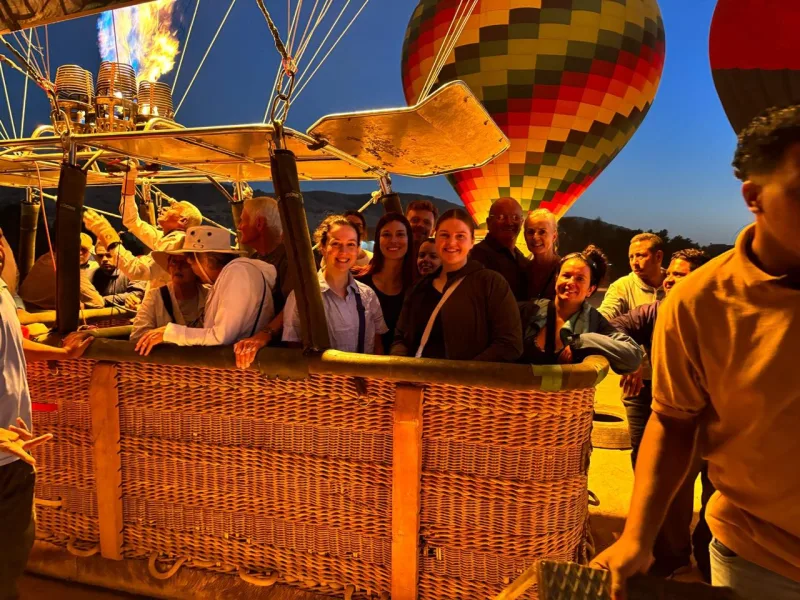
Experience a day trip to Luxor from Cairo by flight and discover Egypt’s treasures—Valley of the Kings, Karnak Temple, Hatshepsut Temple, and more.
 Egyptian History
 Alexandria, Egypt, boasts a vibrant history starting from its establishment by Alexander the Great and going o...
 Egyptian History
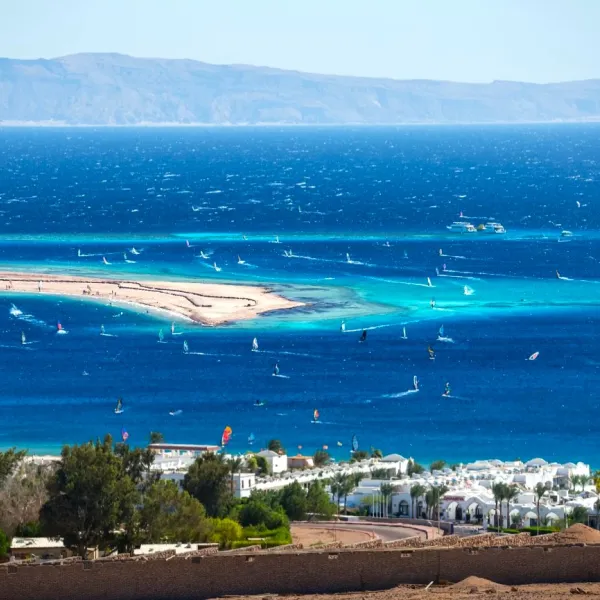
 Dahab was a former small and tranquil fishing village populated by Bedouins, which was only near the sea and d...
 Egyptian History
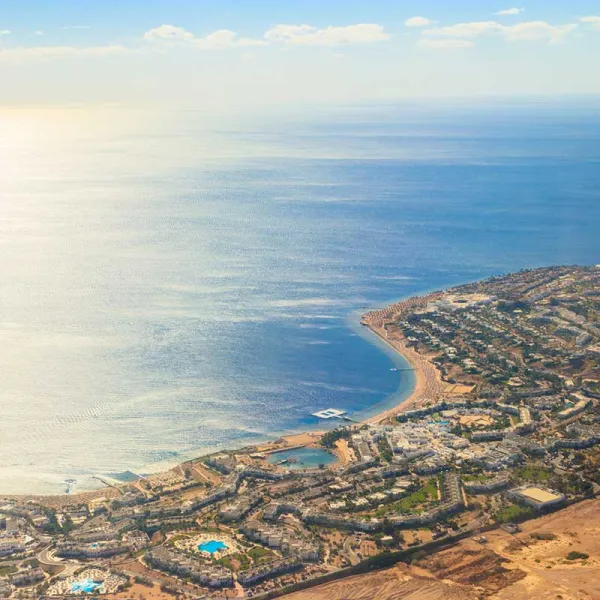
 Sharm El Sheikh has a modern history compared to many Egyptian cities but its story is very much connected wit...
Get our best Egypt travel tips and itineraries in your inbox — join our travel list.