Blue Hole Dahab: Diving, Snorkelling & How to Visit (2026)
A 100m+ deep Red Sea sinkhole and coral wall, about 10km north of Dahab — world-famous for diving, and quietly...
Read article
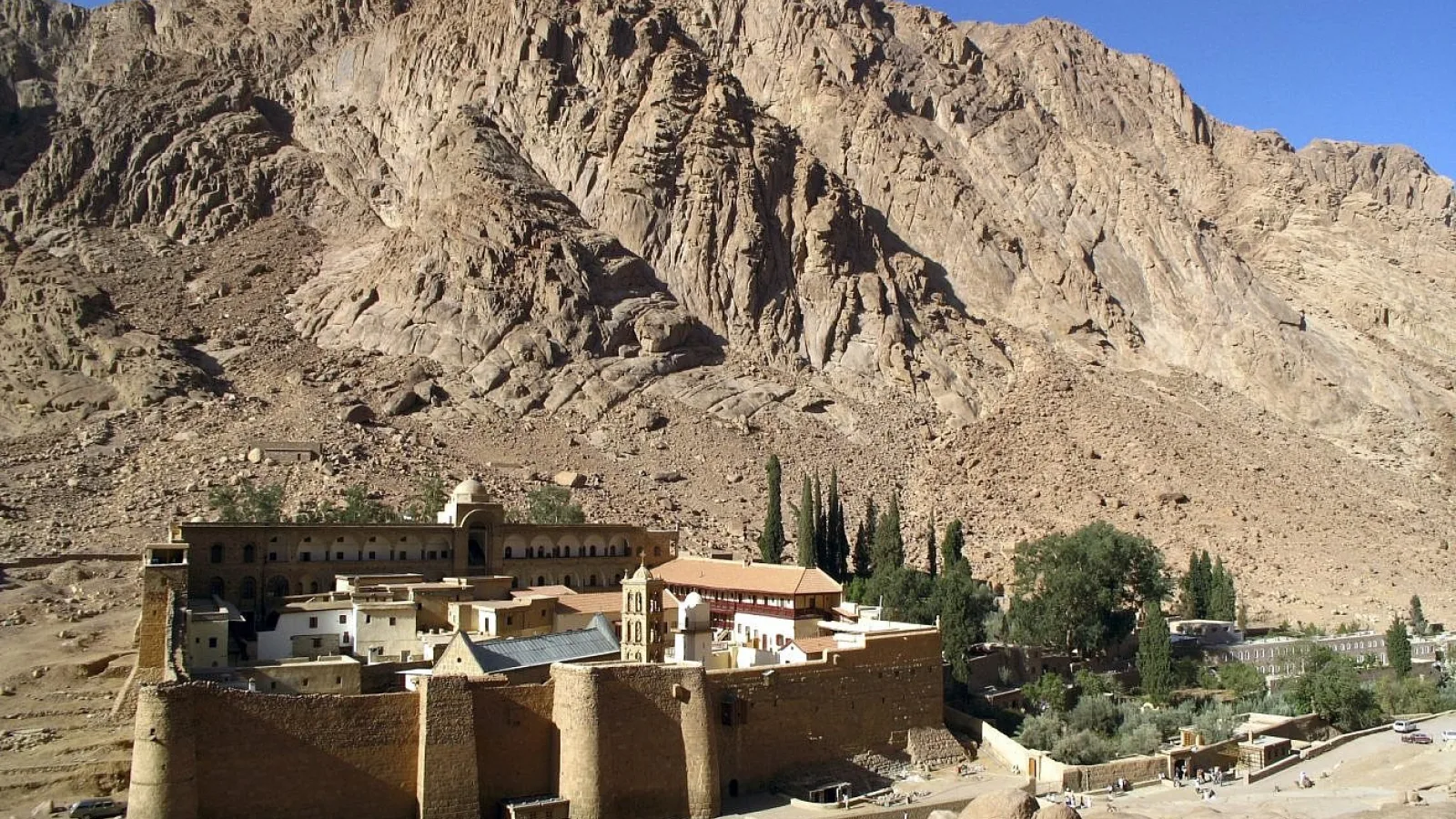
The 2,285m sacred peak in South Sinai where Moses is said to have received the Ten Commandments — climbed at night for a famous sunrise. Also called Jebel Musa (Mount of Moses), it sits behind St Catherine's Monastery in the mountains between Sharm el-Sheikh and Dahab. Almost everyone climbs it overnight to reach the summit for dawn, then descends past the monastery. It is a moderate but long hike, cold at the top, and done with a local Bedouin guide.
We run the Mount Sinai climb almost every week in season, and it is one of the few excursions where guests come down changed. There is nothing quite like standing on a 2,285-metre peak in the pitch dark, a blanket around your shoulders and a paper cup of sweet Bedouin tea in your hands, watching the first light spill pink and gold across an ocean of bare granite mountains. This is Jebel Musa — the Mountain of Moses — the peak that Jews, Christians and Muslims all hold as the place where Moses received the Ten Commandments. You do not need to be religious to feel the weight of it. What you do need is a warm layer, a head torch and a willingness to walk uphill in the middle of the night. Here is exactly how the climb works and how we set it up.
Mount Sinai is one of the most significant religious sites on earth. According to the Book of Exodus, this is where Moses spoke with God and came down carrying the two stone tablets of the Ten Commandments, which is why it draws pilgrims of three faiths. At its foot sits St Catherine's Monastery, a working Greek Orthodox monastery founded in the 6th century by the Emperor Justinian and one of the oldest continuously inhabited Christian monasteries in the world — home to the Chapel of the Burning Bush, an extraordinary library of ancient manuscripts, and a UNESCO World Heritage listing. Historically the whole area, the Saint Catherine Protectorate, has been a place of retreat and pilgrimage for more than 1,500 years. Climbing the mountain and visiting the monastery below are really two halves of the same experience, which is why almost every tour pairs them together.
Tell us when you can travel and we'll suggest the ideal route and season — usually within the hour.
Chat with a local expertThere are two ways to the summit, and both start from behind St Catherine's Monastery. Most first-timers, and every overnight sunrise group we run, take the longer, gentler path up and save the steep stairs for the way down.
Whichever way you go, the last 750 rock-cut steps to the summit are unavoidable — the Camel Path and the Steps of Repentance join near the top, and no camel goes beyond that point. Those final steps in the cold pre-dawn dark are the hardest part of the whole climb, so pace yourself on the path below.
The classic way to climb Jebel Musa is overnight. Groups typically set off from the monastery around 2am, walking the Camel Path by torchlight with a Bedouin guide, aiming to reach the summit an hour or so before first light. It usually takes two and a half to three hours up at a steady pace. At the top there are small stone shelters where Bedouin vendors rent blankets and sell hot tea, which you will want, because the summit is bitterly cold and windy before dawn even when the coast below is mild. Then the sky begins to change, the peaks around you glow, and the sun lifts over the Sinai range — the reason everyone comes. After photos and a rest you descend in daylight, either back down the Camel Path or, for the confident, down the Steps of Repentance to the monastery, which opens to visitors in the morning.
We'll tell you honestly what the weather and crowds are really like for your travel dates.
Chat with a local expertMount Sinai sits deep in the South Sinai interior, so almost everyone visits on an organised overnight excursion rather than trying to reach it independently — and a licensed guide plus a local Bedouin guide on the mountain is effectively required. The two easiest launch points are the Red Sea resorts. From Sharm el-Sheikh it is around a two-and-a-half-hour drive to the monastery; our St Catherine day tour from Sharm el-Sheikh runs overnight so you climb for sunrise and tour the monastery after. From Dahab it is a shorter, spectacular desert drive, and our Dahab day trip to Saint Catherine Monastery combines the same climb with the monastery visit. If you would rather browse the full range of excursions on each coast, see all our Dahab day trips and choose by date. Every version includes hotel pickup and drop-off, transport, and the Bedouin mountain guide. Travelling from Cairo instead? A 2-day St Catherine and Mount Sinai trip from Cairo covers the long desert crossing with an overnight so you are not driving through the night and climbing on no sleep.
★ Ready to climb Jebel Musa for sunrise? Our overnight Mount Sinai and St Catherine excursions from Sharm and Dahab include hotel pickup, transport and a Bedouin mountain guide — dates fill fast in the cool season. See our Sharm & Dahab day tours Sharm & Dahab day tours
Climbing Mount Sinai is moderate rather than technical — no ropes, no scrambling — but it is a long uphill walk at altitude in the dark, so a basic level of fitness helps. Budget two and a half to three hours up and about two hours down. The single biggest mistake people make is underestimating the cold: the summit can sit near freezing before dawn, with a sharp wind, even in months when the beach is warm. Come prepared.
On timing across the year: the sunrise climb runs year-round, but winter nights (December to February) are genuinely harsh at the summit and light snow is possible, while high summer means a warmer but still cool night hike. Spring and autumn are the most comfortable. Whenever you go, remember it is a night climb — dress for the mountain, not for the resort. For the full seasonal picture, see our guide to the best time to visit Egypt.
The natural pairing is the mountain and the monastery in one trip: after descending at sunrise, most groups tour St Catherine's Monastery and its Burning Bush chapel before the drive back. If you are basing yourself on the coast, build the climb into a wider few days. Dahab is the laid-back favourite for this — see our roundup of things to do in Dahab and where to base yourself in our where to stay in Dahab guide, then add the freshwater canyon swim at the Blue Hole in Dahab or a diving day, since scuba diving in Egypt is world-class here. Sharm el-Sheikh suits travellers who want more resort comforts alongside the excursion; browse things to do in Sharm el-Sheikh for ideas. Fans of dramatic desert scenery should also look at the nearby Colored Canyon near Nuweiba, an easy add-on to a Sinai itinerary.
★ Want the whole Sinai adventure planned for you? Tell us your dates and how active you like it, and we will build a private itinerary around the Mount Sinai sunrise climb, the monastery and the Red Sea coast. Plan a tailor-made Egypt tour Tailor-made Egypt tour
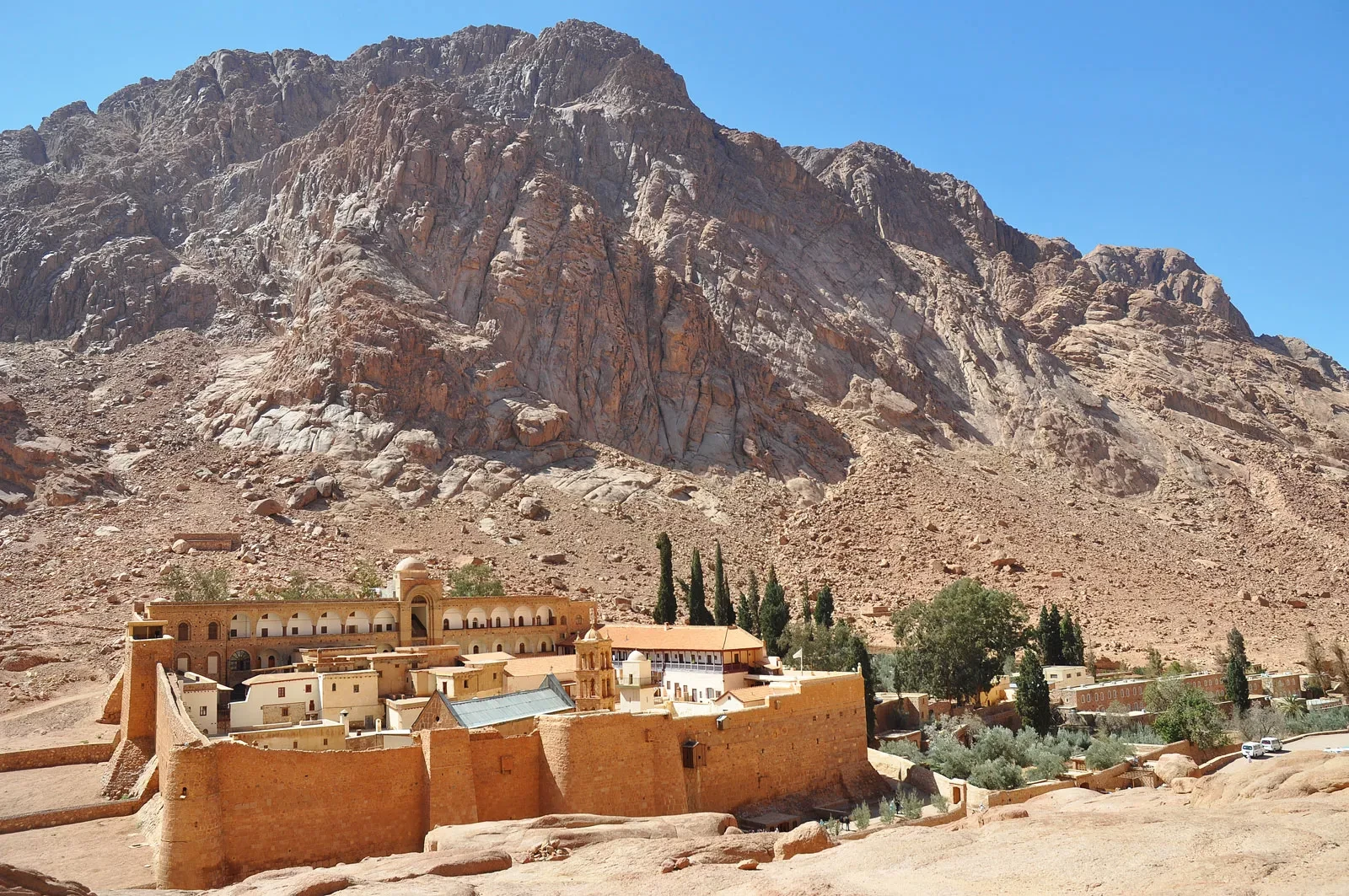
Explore St. Catherine Monastery in our St. Catherine Monastery tour from Sharm El Sheikh and discover one of Egypt’s most sacred landmarks in the Sina...

Discover history and spirituality on Dahab day trip to St. Catherine’s Monastery and Mount Sinai. One of the must-do Dahab trips, combining desert bea...
 Red Sea Attraction
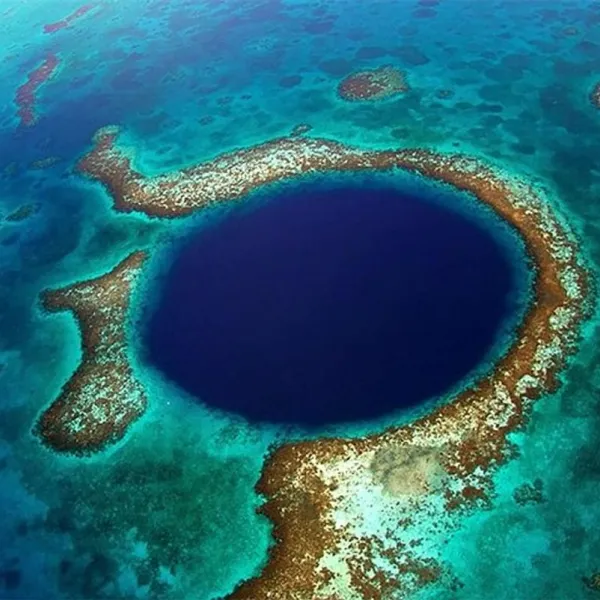
 A 100m+ deep Red Sea sinkhole and coral wall, about 10km north of Dahab — world-famous for diving, and quietly...
 Red Sea Attraction
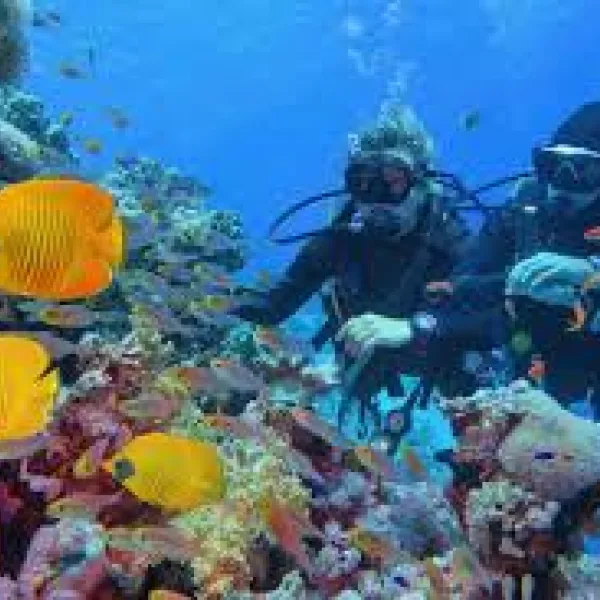
 Ras Mohammed, the Thistlegorm wreck and the Straits of Tiran are the headline dives — world-class reefs on Sha...
 Red Sea Attraction
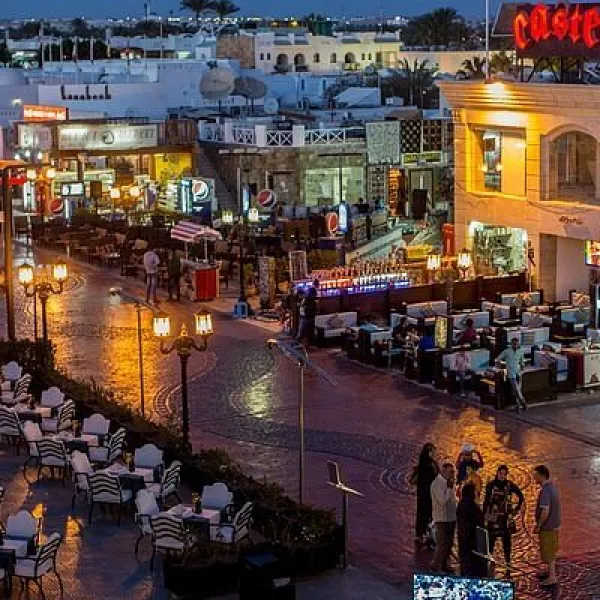
 Naama Bay is Sharm el-Sheikh's main tourist hub — a beachfront promenade packed with hotels, restaurants, bars...
Get our best Egypt travel tips and itineraries in your inbox — join our travel list.