Things to Do in Egypt: 12 Unmissable Experiences (2026)
See the Pyramids of Giza, cruise the Nile between Luxor and Aswan, and dive the Red Sea — Egypt's three signat...
Read article
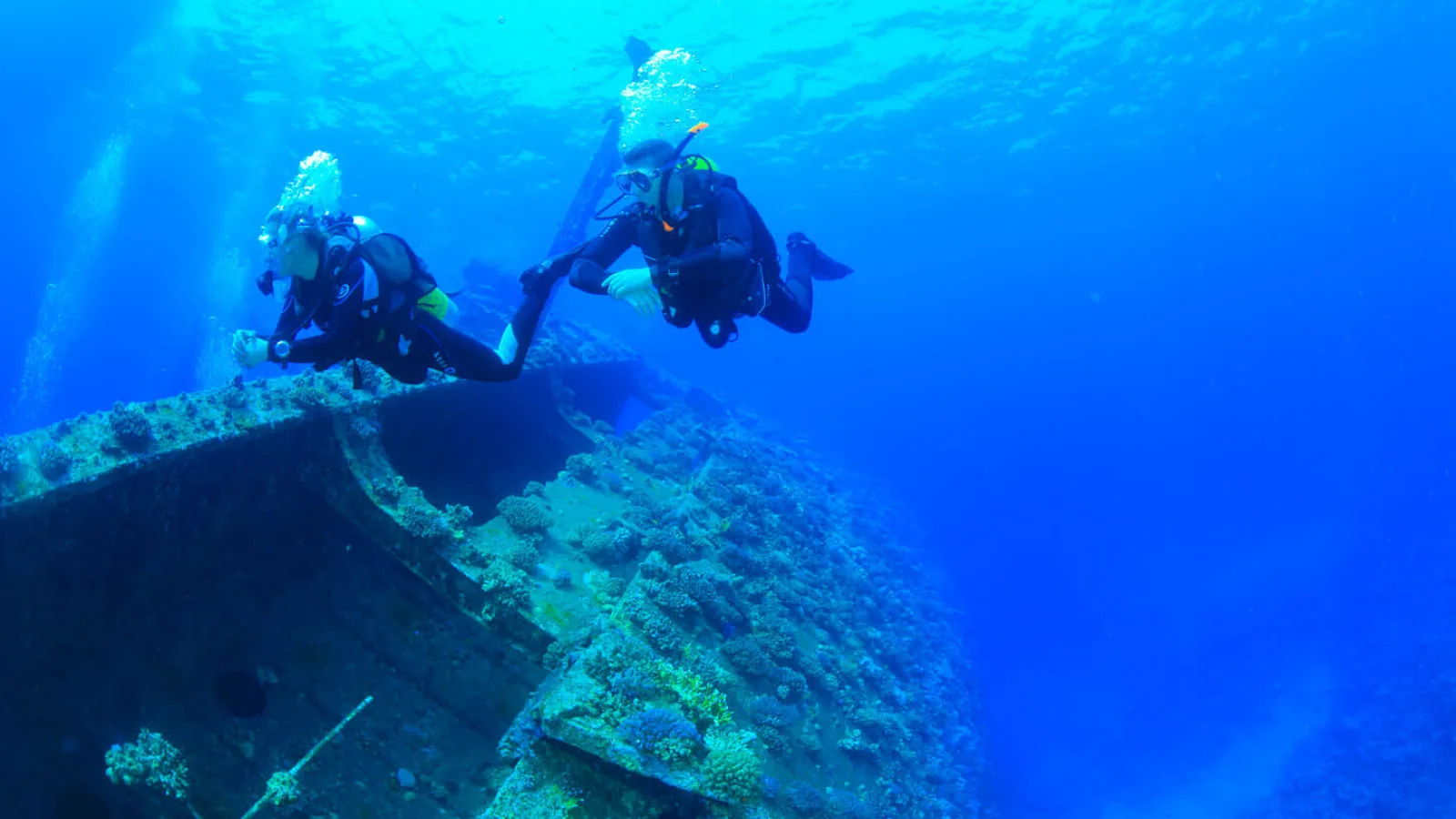
Yes — Egypt's Red Sea is genuinely world-class, with warm water, superb visibility and reefs and wrecks for every level. The Egyptian Red Sea packs coral walls, historic wrecks and big pelagics into a coastline you can dive year-round in a thin wetsuit. It suits everyone from first-timers doing their Open Water course in a Hurghada lagoon to experienced divers drifting Elphinstone for sharks — and it's affordable and easy to reach from Cairo, Europe and the Gulf.
We've been sending travellers into the Red Sea for years, and it still surprises people just how good the diving is. Within a couple of hours of stepping off the plane you can be finning along a coral wall that drops into deep blue, sharing the reef with turtles and clouds of anthias. Egypt's two great advantages: the water is warm and clear for most of the year, and world-famous sites — Ras Mohammed, the Thistlegorm, the Blue Hole, Elphinstone — sit within easy reach of comfortable resort towns. Whether you're chasing your first certification or your hundredth dive, this is the guide we give our own guests.
The Red Sea is a semi-enclosed sea with almost no river runoff, which means exceptional clarity — 20 to 30 metres of visibility is normal. Water temperatures rarely fall below 21°C even in winter and climb to 28–29°C by late summer, so a 3–5mm wetsuit is all most divers need. The reefs themselves are staggeringly healthy: hard and soft corals in colours that don't look real, patrolled by reef sharks, barracuda, moray eels and, on the southern sites, oceanic whitetips, hammerheads and pods of dolphins. Add historic WWII wrecks and dramatic drift dives, and you have one of the few destinations that genuinely earns the 'something for everyone' label. It's also excellent value, and pairs perfectly with a few days of pyramids and temples on the same trip.
Tell us when you can travel and we'll suggest the ideal route and season — usually within the hour.
Chat with a local expertYou could spend a lifetime diving this coast, but a handful of sites define Egyptian diving. Here are the ones we send divers to again and again, north to south.
The jewel of the northern Red Sea. At the very tip of the Sinai peninsula, Ras Mohammed's Shark and Yolanda reefs are a wall of soft coral falling into the abyss, with schooling barracuda and jacks, and — in early summer — huge aggregations of snapper. Currents can be strong, so it's best enjoyed with a bit of experience, but on a calm day it's simply one of the finest reef dives on Earth. Ras Mohammed guide
A WWII British cargo ship sunk in 1941 and rediscovered by Jacques Cousteau, the Thistlegorm is one of the world's greatest wreck dives. Its holds are still packed with motorbikes, trucks, rifles and railway cars, all draped in coral and patrolled by trevally. It sits in the Strait of Gubal between Sharm and Hurghada and is reached by day boat or liveaboard. Sharm scuba diving guide
Dahab's legendary Blue Hole is a submarine sinkhole plunging past 100 metres — famous, beautiful and, for the reckless, dangerous. For recreational divers the safe and spectacular route is the shallow 'Bells' entry along a vivid coral wall. The whole town is a laid-back, shore-diving paradise, ideal for relaxed, no-boat diving. Blue Hole Dahab guide
The southern coast around Marsa Alam is where you go for big animals. Elphinstone is a sheer offshore reef famous for drift dives and encounters with oceanic whitetip sharks, and the wider region offers dugongs, turtles and the resident dolphins of Sataya and Samadai. This is more advanced, current-swept diving — and unforgettable for it. Red Sea attractions & dive sites
The reefs around Giftun Island are the backbone of Hurghada diving: shallow, sheltered, teeming with life and perfect for training dives and snorkellers alike. Expect turtles, pufferfish, colourful coral gardens and easy conditions, which is exactly why Hurghada is such a strong base for beginners and families. Giftun Islands guide
The Strait of Tiran, between Sinai and Saudi Arabia, holds four famous reefs — Jackson, Woodhouse, Thomas and Gordon — known for strong drift dives, healthy coral and regular sightings of reef sharks, turtles and eagle rays. It's a classic Sharm day-boat outing for confident divers. Tiran Island guide
Where you stay shapes your whole diving holiday. Each of Egypt's four main hubs has a distinct character.
The most accessible and best-value base, with direct flights from across Europe, hundreds of dive centres and easy reefs around Giftun. Ideal for beginners, families and anyone combining diving with a resort holiday. Things to do in Hurghada Hurghada day tours
The gateway to the very best northern sites — Ras Mohammed, Tiran and the Thistlegorm — with a huge range of hotels and reliable dive operators. The pick for divers who want marquee sites and lively evenings. Things to do in Sharm el-Sheikh Sharm day tours
A bohemian, budget-friendly town built for shore diving. No boats needed for most sites, a famously relaxed pace, and the Blue Hole and Canyon on the doorstep. Perfect for freedivers, backpackers and slow travellers. Things to do in Dahab Dahab day trips
The quietest and most southerly hub, with its own airport, pristine house reefs and access to the big-animal sites of the deep south. Best for experienced divers and those chasing sharks, dugongs and dolphins away from the crowds.
★ Want the diving sorted before you land? Our Red Sea travel packages bundle a beachfront base, transfers and reef time — so you spend your holiday underwater, not organising it. See our Red Sea travel packages Red Sea travel packages
We'll tell you honestly what the weather and crowds are really like for your travel dates.
Chat with a local expertYou don't have to be a certified diver to enjoy the Red Sea. Snorkelling here is world-class in its own right — the reefs start in knee-deep water and the same turtles, coral gardens and reef fish that divers see are often visible from the surface at sites like Giftun, Mahmya and the Blue Lagoon. If you're travelling with non-divers or young children, a snorkelling boat trip keeps everyone happy. Best beaches & snorkelling in Egypt
For serious divers, a liveaboard is the ultimate way to experience Egypt. These multi-day dive boats sleep aboard and reach offshore sites impossible to visit on a day trip — the Brothers, Daedalus and Elphinstone in the south, or the classic wreck-and-reef 'Northern' route taking in the Thistlegorm and Ras Mohammed. You'll fit in three to four dives a day and wake up already moored at the next site. Day-boat and shore diving from a resort, by contrast, is cheaper and more flexible if you want to mix diving with sightseeing.
You can dive the Red Sea in any month — it's a genuine year-round destination — but the experience shifts with the seasons. The warmest, calmest water runs from April to November, when the sea sits around 25–29°C and a 3mm wetsuit is plenty; this is also prime time for pelagics, with sharks most reliable in the south from June to September. Winter (December to February) is still very divable, with 21–23°C water and excellent visibility, but you'll want a 5mm suit and the odd windy day can cancel offshore boats. Spring and autumn give you the best of both — warm sea and comfortable sightseeing weather for temples. Best time to visit Egypt
| Season | Water temp | What it's best for |
| Spring (Mar–May) | 22–26°C | All-round diving, mild land weather, fewer crowds |
| Summer (Jun–Sep) | 27–29°C | Warmest water, best big-fish and shark action, busy resorts |
| Autumn (Oct–Nov) | 25–27°C | Prime conditions and great value — the sweet spot |
| Winter (Dec–Feb) | 21–23°C | Best visibility, thicker wetsuit, occasional windy days |
Local tip: if you're diving in the peak summer months, base yourself on the coast rather than inland — Luxor and Aswan are brutally hot in July and August, while the Red Sea breeze keeps the shore comfortable. See our Egypt in July and Egypt in August guides for the full picture.
Egypt is one of the world's most popular — and cheapest — places to learn to dive. If you've never breathed underwater, most centres offer a 'Discover Scuba' try-dive that gets you in the water for a taster in a single day, no certification required. To become certified, the PADI or SSI Open Water course takes three to four days and leaves you qualified to dive to 18 metres anywhere in the world. Already certified? Bring your card and logbook, and consider an Advanced course to unlock deeper wrecks and drift dives like the Thistlegorm and Elphinstone. Hurghada and Dahab are the easiest, gentlest places to train, thanks to their calm, shallow house reefs. Where to stay in Hurghada
★ Prefer a trip built entirely around your diving? Tell us your certification level, the sites on your wish list and your dates, and we'll design a private Red Sea itinerary — dive centre, hotels and any Nile add-ons included. Plan a tailor-made Egypt tour Tailor-made Egypt tour
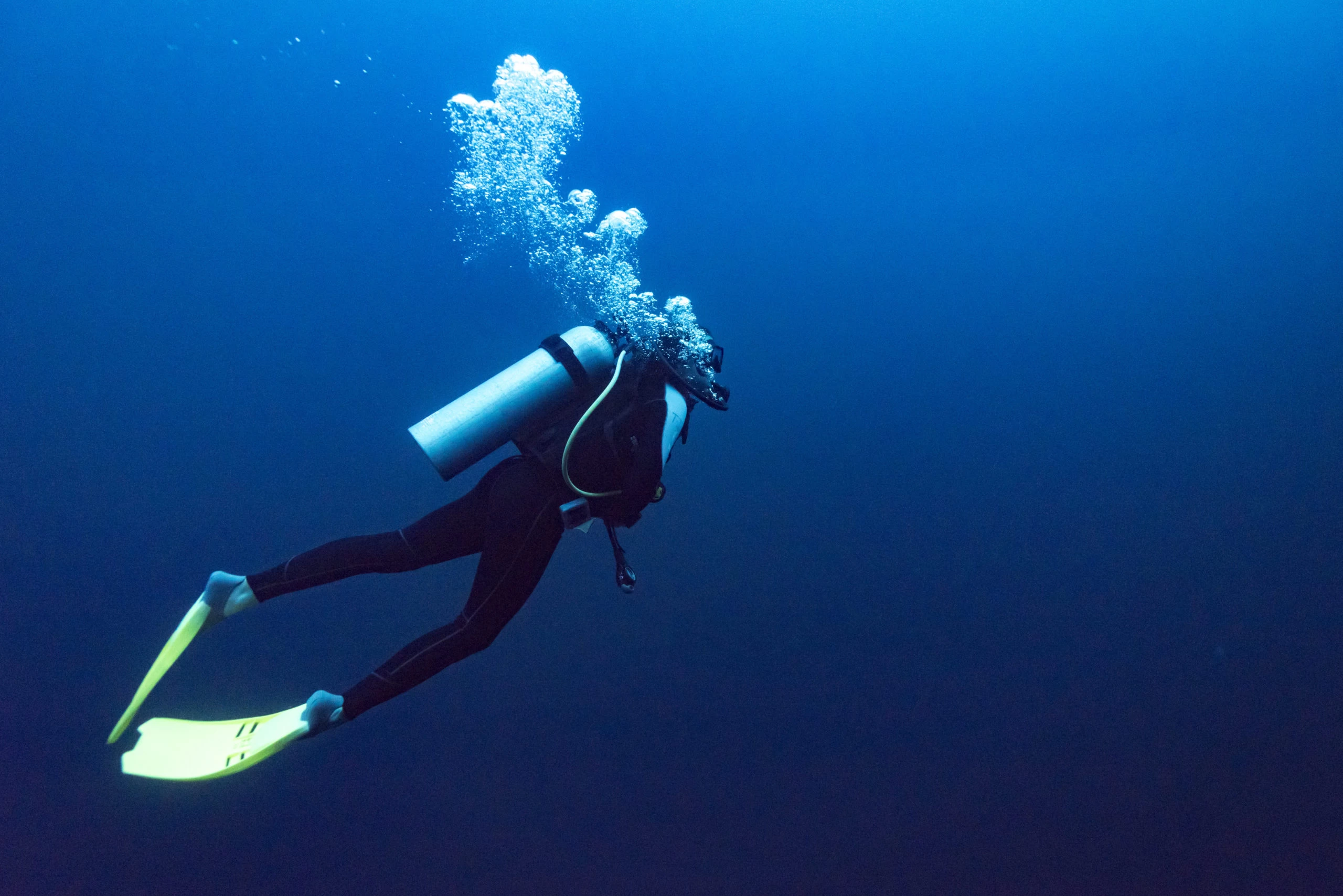
Experience scuba diving in Sharm El Sheikh and explore the best dive sites in Sharm El Sheikh on thrilling Sharm El Sheikh day trips. Discover unforge...
 Travel Tips for Egypt
 See the Pyramids of Giza, cruise the Nile between Luxor and Aswan, and dive the Red Sea — Egypt's three signat...
 Travel Tips for Egypt
 A private Egyptologist, a 5-star Nile cruise or dahabiya, skip-the-line access and the country's finest herita...
 Travel Tips for Egypt
 A double celebration — Coptic Christian Easter followed by Sham El-Nessim, an ancient national spring festival...
Get our best Egypt travel tips and itineraries in your inbox — join our travel list.