Things to Do in Egypt: 12 Unmissable Experiences (2026)
See the Pyramids of Giza, cruise the Nile between Luxor and Aswan, and dive the Red Sea — Egypt's three signat...
Read article
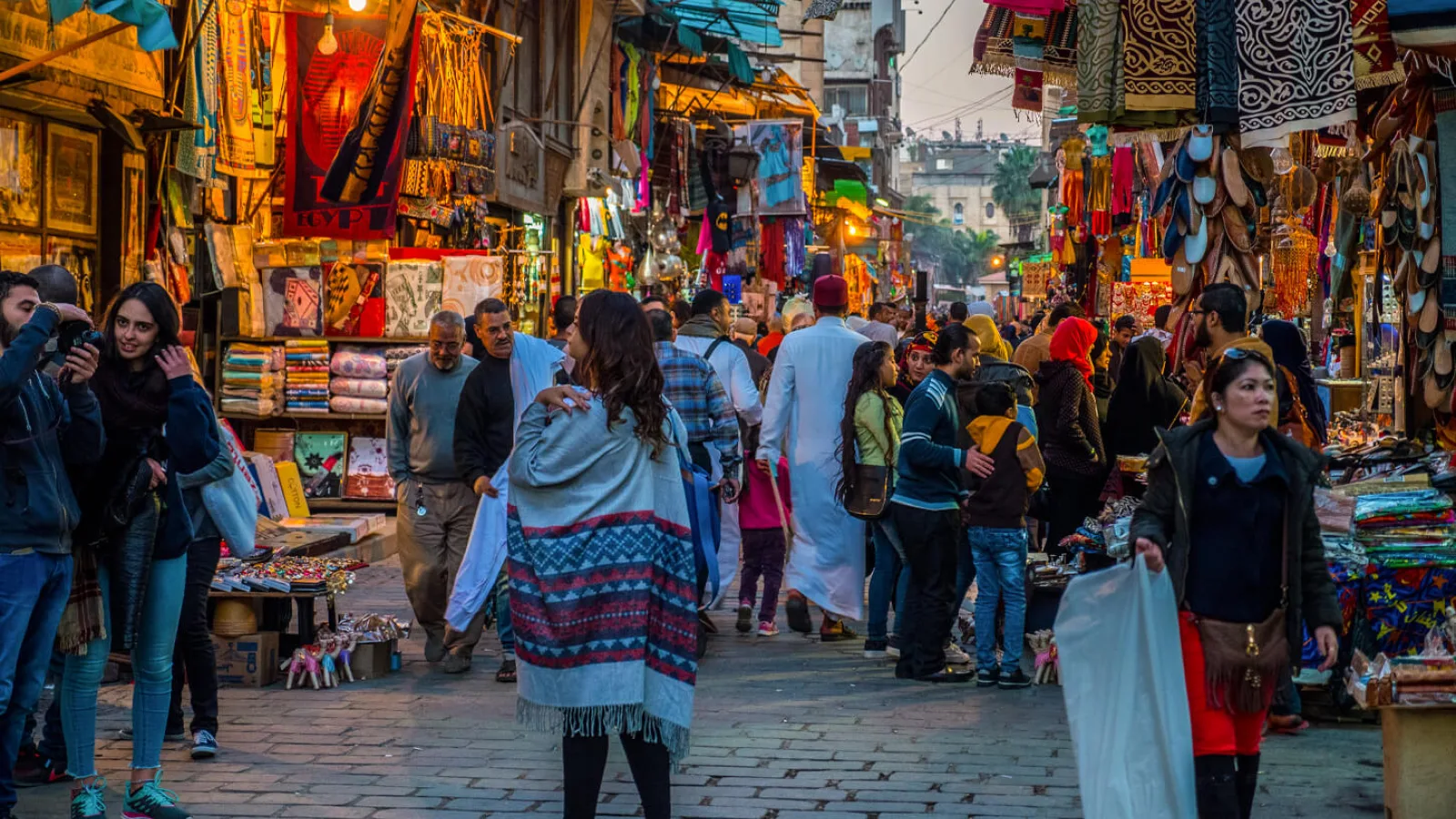
Head to Khan El Khalili for souvenirs and handicrafts, and Cairo's mega-malls for brands and air-conditioned comfort. Cairo shopping splits neatly in two: the atmospheric old bazaars around Islamic Cairo, where you haggle for papyrus, spices, brass and gold, and the modern malls in the newer districts, where prices are fixed and the labels are international. Most visitors do both — a morning in Khan El Khalili and an evening at Mall of Egypt covers almost everything you'll want to bring home.
Cairo is one of the great shopping cities of the Middle East, and it has been for a thousand years. We guide visitors through it every week, and the first thing we tell them is that there are really two Cairos to shop in. There is the old city — the labyrinth of the Khan El Khalili bazaar and the medieval streets around it, where craftsmen still beat copper by hand and the air smells of cardamom and oud — and there is the new city, with its glass-fronted malls, cinemas and global brands. Neither is better; they answer different needs. This guide covers where to shop in Cairo for both, what to buy, how to bargain without stress, and the handful of scams worth knowing before you go.
If you do one thing on this list, make it Khan El Khalili. Founded in 1382, it is the beating heart of Cairo shopping and one of the oldest working markets on earth. The main lanes around Al-Hussein and Al-Muizz are dense with stalls selling lanterns, inlaid boxes, scarves, jewellery, alabaster and papyrus, while the quieter alleys hide genuine workshops where artisans still hammer brass and blow glass. Break for a mint tea at El Fishawy, the 250-year-old café tucked in the middle, and you'll understand why locals treat the Khan as a place to linger, not just to buy. Come in the late afternoon when the light softens and the crowds thin, and bring cash — most stalls don't take cards. Khan El Khalili guide
Local tip: the shops on the outer edges facing Al-Azhar are the touristy ones with the highest first prices. Walk two or three lanes deeper and the same goods cost less and the sellers push harder for quality. A guided tour that includes the Citadel and Islamic Cairo is the easiest way to see the best of it without getting lost. Citadel & Khan El Khalili day trip
Tell us when you can travel and we'll suggest the ideal route and season — usually within the hour.
Chat with a local expertBeyond the Khan, Cairo has a handful of specialist markets that reward anyone willing to wander. These are the best markets in Cairo for a more local, less touristy shopping experience, and most sit within a short taxi ride of each other in the old city. Cairo day tours
Running north from Khan El Khalili, Al-Muizz is an open-air museum of Fatimid and Mamluk architecture that doubles as a market. By day it's a living street of coppersmiths, spice sellers and textile stalls; by night it's beautifully floodlit and pedestrianised. It's the place to buy hand-worked brass and copper trays, and simply to walk.
Cairo's fabric and clothing market near Boulaq is where locals go for cheap textiles, denim and end-of-line pieces. It's chaotic, cash-only and almost entirely tourist-free — go for the atmosphere and the bargains on cotton and fabric by the metre rather than polished souvenirs.
South of Bab Zuweila lies the last covered medieval market in Cairo, home to the khayamiya (tentmaker) craftsmen who hand-stitch vivid appliqué textiles. These quilted panels, cushion covers and wall hangings are among the most distinctive and genuinely handmade souvenirs you can carry home, and watching the artisans sew is half the pleasure.
When the summer heat makes the bazaars hard work, Cairo's malls are a comfortable, air-conditioned alternative with fixed prices, international brands, food courts and entertainment. They are also where you'll find reliable ATMs, pharmacies and family-friendly attractions. Here are the three Cairo malls worth planning around.
| Mall | Location | Known for |
| Mall of Egypt | 6th of October (west) | Ski Egypt indoor slope, huge cinema, global brands |
| Cairo Festival City | New Cairo (east) | Upscale brands, fountains, big dining scene |
| City Stars | Nasr City (central-east) | One of the oldest mega-malls, 600+ stores |
Mall of Egypt and Cairo Festival City sit on opposite sides of the city, so pick the one nearest your hotel. If you're staying centrally, City Stars in Nasr City is the most convenient of the big three. where to stay in Cairo
We'll tell you honestly what the weather and crowds are really like for your travel dates.
Chat with a local expertCairo's souvenirs range from the beautiful to the tacky, so it pays to know what's genuinely worth buying — and what's worth paying for. These are the things we tell friends to bring home. For the full country-wide list, see our dedicated guide. what to buy in Egypt
★ Want to shop the Khan like a local? Our guided Cairo shopping tour takes you straight to the best stalls and honest workshops, handles the haggling, and saves you hours of wandering — cash and craft, not tourist traps. Book a Cairo shopping tour Cairo shopping tour
Haggling is expected in the souks and part of the fun — but only in the markets, never in malls or fixed-price shops. The rule of thumb is to start at roughly 40–50% of the first price quoted and settle somewhere in the middle. Stay friendly, smile, and be genuinely willing to walk away; the price often drops fastest as you leave. Learning why bargaining and baksheesh (small tips for service) are woven into daily life here makes the whole exchange feel less transactional. Egyptian culture & customs
Cairo is a safe place to shop, but a few well-worn tricks target visitors. None are dangerous — they just cost you money if you don't see them coming.
Pair a morning of shopping with the rest of the old city — mosques, the Citadel and street food — and it becomes one of the best days in Cairo — and an easy add-on to a wider Egypt trip. See our full rundown of things to do while you're here things to do in Cairo, or browse our classic Egypt packages Egypt classic tours and full range of tour packages Egypt tour packages.
★ Prefer a trip built entirely around you? Tell us what you want to bring home and how you like to travel, and we'll build a private Cairo itinerary with shopping, sightseeing and a local guide who knows every good stall. Plan a tailor-made Egypt tour Tailor-made Egypt tour
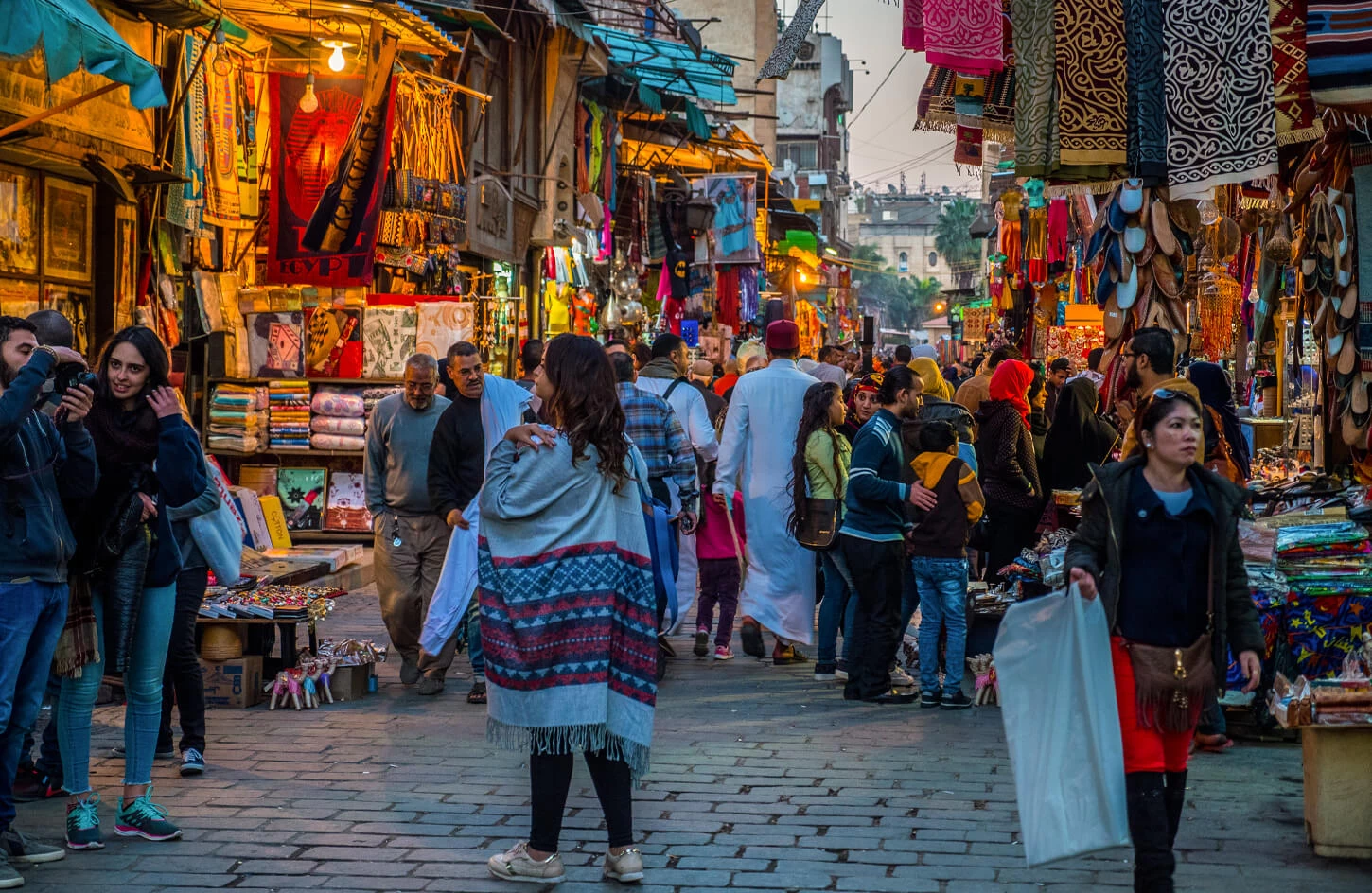
Discover Cairo’s history, culture, and modern shopping on one of the best Cairo private tours. Enjoy a private day tour exploring the Papyrus Institut...
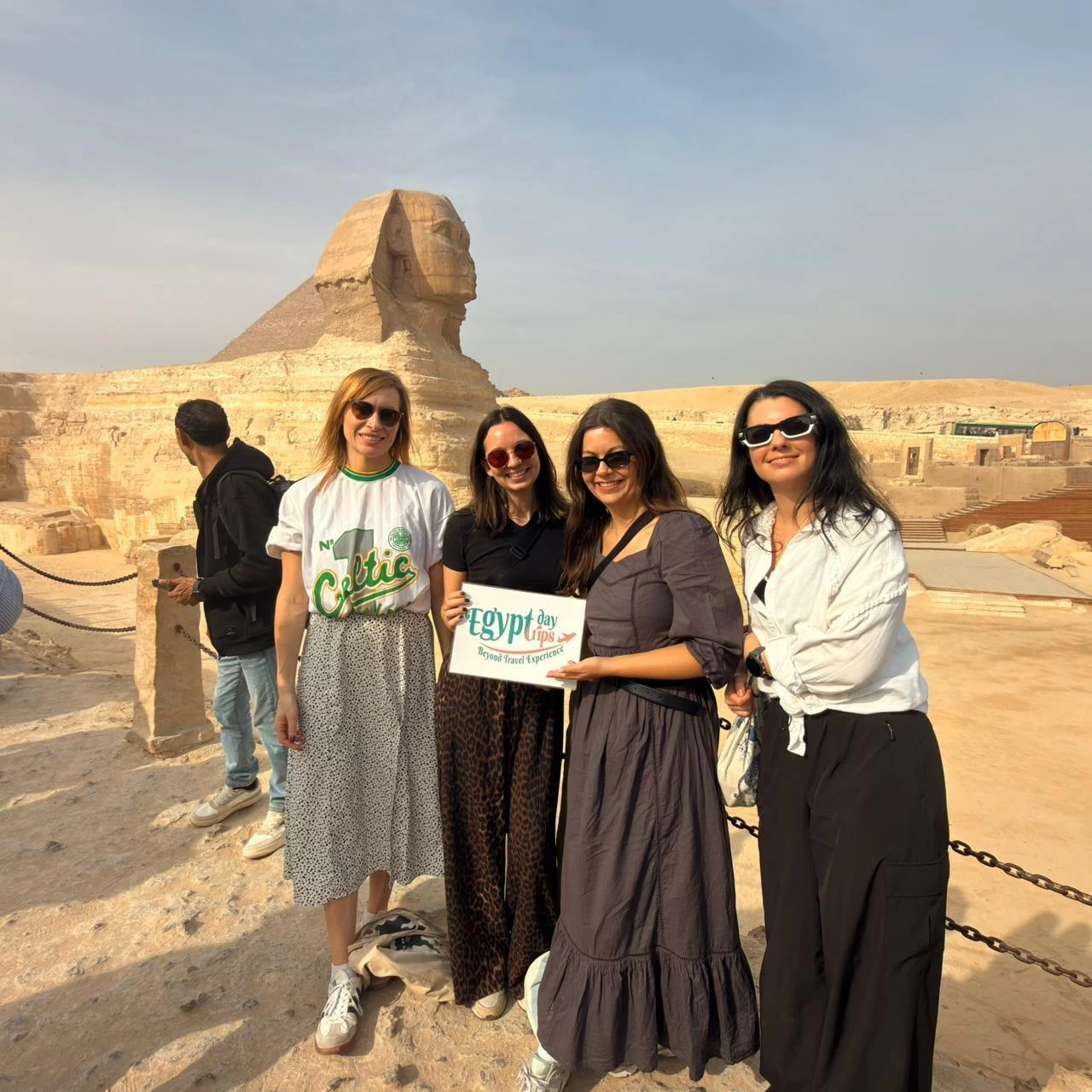 30Min Free Camel Ride
 Witness the timeless beauty of the Pyramids in a half-day tour to the Giza Plateau. Visit the iconic Pyramids of Giza, the Great Sphinx, and the Valle...
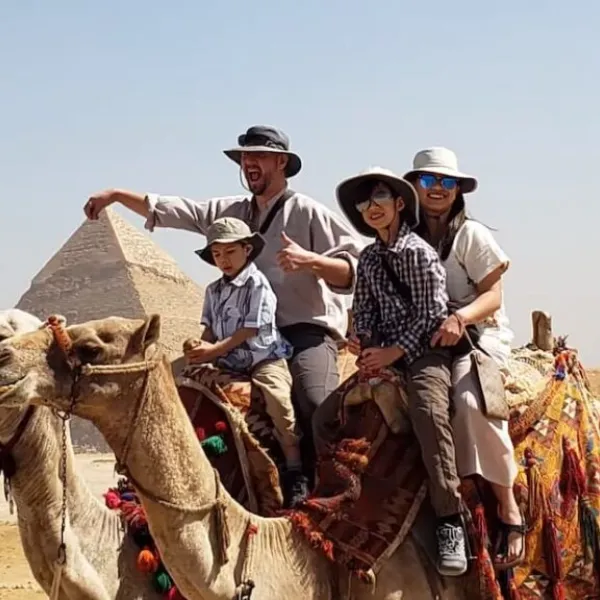 Travel Tips for Egypt
 See the Pyramids of Giza, cruise the Nile between Luxor and Aswan, and dive the Red Sea — Egypt's three signat...
 Travel Tips for Egypt
 Yes — Egypt's Red Sea is genuinely world-class, with warm water, superb visibility and reefs and wrecks for ev...
 Travel Tips for Egypt
 A private Egyptologist, a 5-star Nile cruise or dahabiya, skip-the-line access and the country's finest herita...
Get our best Egypt travel tips and itineraries in your inbox — join our travel list.