Things to Do in Egypt: 12 Unmissable Experiences (2026)
See the Pyramids of Giza, cruise the Nile between Luxor and Aswan, and dive the Red Sea — Egypt's three signat...
Read article
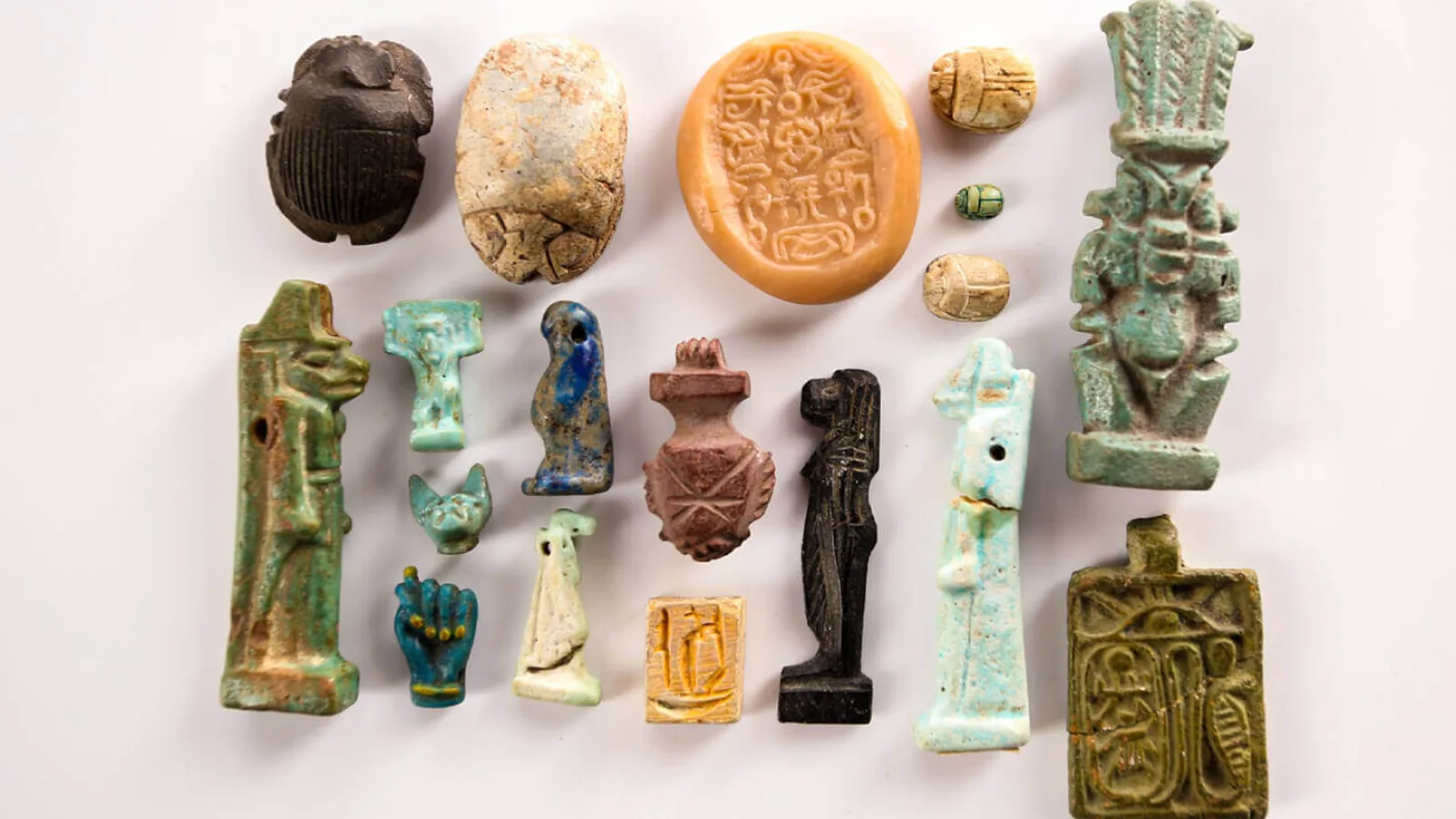
Real papyrus, Egyptian cotton, a personalised cartouche in gold or silver, and spices — bought at the right place, for the right price. The best things to buy in Egypt are lightweight, genuinely Egyptian and hard to fake once you know what to look for: hand-painted papyrus, long-staple Egyptian cotton, a made-to-order cartouche pendant, loose spices and hibiscus, an alabaster carving and a Khan El Khalili lantern. Almost everything is up for negotiation, so a friendly haggle is part of the deal.
Shopping in Egypt is half the adventure. We guide travellers through Khan El Khalili most weeks, and the question we hear more than any other is simply: what should I actually buy? The honest answer is that Egypt is full of both wonderful crafts and mass-produced tat, often side by side on the same shelf. This guide is the list we give our own guests — the souvenirs worth your suitcase space, how to tell the real thing from the fakes, and a rough sense of what each should cost in 2026. Prices are in US dollars as a guide; you'll pay in Egyptian pounds, and almost everything is negotiable. Cairo shopping guide
Here are the twelve souvenirs we recommend most, from the iconic to the delicious. For each we've flagged how to spot fakes and roughly what to pay so you can shop with confidence.
Hand-painted papyrus is the classic Egyptian souvenir — and the most commonly faked. Real papyrus is made from the reed's cross-hatched fibres; hold it to the light and you'll see an irregular woven grid. Fakes are printed on banana leaf or pressed paper that tears easily and shows no fibre pattern. Buy from a proper papyrus institute where you can watch it being made, and expect $10–40 for a good hand-painted piece depending on size. Roll it, don't fold it.
Genuine Egyptian cotton is long-staple, soft and durable, and makes brilliant sheets, shirts, scarves and towels. The catch: much of what's sold as "Egyptian cotton" is a blend. Feel the weight, check for a reputable brand or shop, and be wary of suspiciously cheap "1000 thread count" sheets. A quality cotton shirt runs $15–30; a good bedsheet set considerably more. Cairo's dedicated cotton shops are safer than bazaar stalls for the real thing.
The spice stalls are a feast for the senses — cumin, coriander, dried hibiscus, pink salt and blends like dukkah. They're light, cheap and pack flavour from the trip into your kitchen. One warning: much "saffron" sold in the markets is actually safflower (fake), so real saffron is rare and expensive; if it's dirt cheap, it isn't saffron. Buy sealed or freshly weighed spices and expect a few dollars per generous bag. Great value all round.
A decorative shisha pipe makes a striking souvenir. Look for solid brass fittings, a real glass base and tight seams rather than flimsy, glued-together tourist versions. Decide first whether you want a functional pipe or a display piece, and check your airline's rules before you buy something large. A quality mid-size shisha runs $25–60. Remember you can't fly with the tobacco (mu'assel), so buy that only if you're smoking it locally.
Alabaster vases, scarabs and little pharaonic statues are Luxor and Cairo staples. Real alabaster is translucent — hold it up and light glows through the stone; heavier, opaque, perfectly uniform pieces are often resin. Genuine hand-carved work shows tiny tool marks and slight asymmetry. Small carvings start around $5–15, larger vases $30 and up. Wrap them well, as alabaster chips easily in a suitcase.
Our favourite Egyptian souvenir: a cartouche pendant engraved with your name in hieroglyphs, made to order in a day or two. Cairo's gold souk offers genuine, hallmarked gold and silver — always ask for the hallmark and buy by weight at the day's gold price plus a workmanship fee. Silver cartouches start around $30–50; gold depends on weight and karat. Avoid street sellers offering "solid gold" for a bargain — it's almost always plated.
Egypt has a long perfume tradition, and shops sell concentrated fragrance oils (essences) in ornate bottles. Pure oils are alcohol-free and long-lasting; some tourist shops water them down or add alcohol, so smell before you buy and be sceptical of "the original base for Chanel" patter. Buy the hand-blown Pyrex perfume bottles as gifts even if you skip the oil. A small bottle of quality oil is $5–20; agree the price before they start filling bottles.
Egyptian and Bedouin rugs, kilims and hand-knotted carpets are beautiful and hard-wearing. Flip a rug over: hand-knotted pieces show the pattern clearly on the back with slightly irregular knots, while machine-made rugs look too perfect and have a printed-looking reverse. Wool and cotton are authentic; a suspiciously shiny sheen suggests synthetic. Prices vary hugely with size and knot density — from $40 for a small kilim into the hundreds. Shops can ship larger pieces home.
The coppersmiths' alley near Khan El Khalili turns out hand-hammered trays, lanterns, coffee pots (dallah) and plates. Look for visible hammer marks and real weight; thin, lacquered, machine-stamped pieces are the cheap alternative. Engraved brass trays and Arabic coffee sets make handsome, practical gifts. A decent hand-worked tray or coffee pot runs $15–50 depending on size and detail. Give it a polish now and then and it lasts a lifetime.
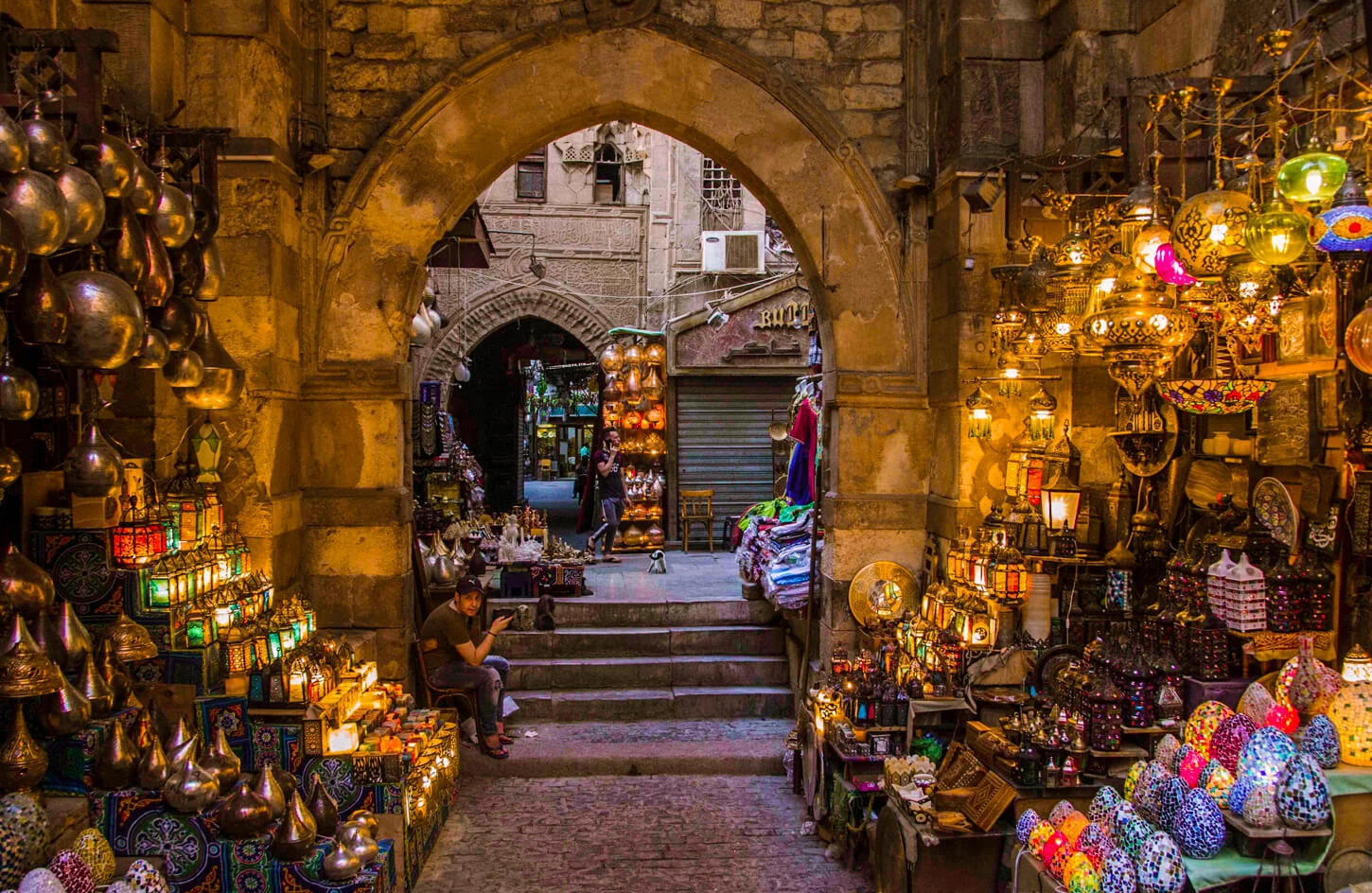
The fanous — the colourful stained-glass and metal lantern lit across Egypt in Ramadan — is one of the most atmospheric things to buy. Look for soldered metal frames and real coloured glass rather than plastic panels, and check that any electric fitting matches your country's voltage (or buy a candle version). Small lanterns start around $10, larger statement pieces $30–60. They pack awkwardly, so wrap the glass carefully. Khan El Khalili bazaar
Edible souvenirs are the best value in Egypt. Dried hibiscus (karkadé) for the famous ruby-red tea, loose black tea, medjool-style dates and halawa (sesame sweets) are all cheap, authentic and easy to share back home. Buy from busy grocers or spice stalls rather than airport shops, and keep dates sealed. A big bag of karkadé costs just a few dollars. Check your country's rules on bringing in foodstuffs before you load up. Egyptian food to try
A galabeya (the flowing traditional robe) or a cotton or pashmina-style scarf is a practical, wearable souvenir — a scarf doubles as sun cover and a shoulder wrap for visiting mosques. Cotton and linen are the authentic fabrics; ultra-cheap "pashminas" are usually synthetic viscose, which feels slippery and cool rather than warm. A simple scarf costs $3–10, a good galabeya $10–25. These fold flat and weigh almost nothing, so they're easy suitcase-fillers. What to wear in Egypt
Tell us when you can travel and we'll suggest the ideal route and season — usually within the hour.
Chat with a local expertThe beating heart of souvenir shopping is Khan El Khalili, Cairo's medieval bazaar — a maze of alleys selling everything on this list, plus mint tea in historic cafés like El Fishawy. It's the best single place to browse, compare and haggle, and it's an experience in itself. For fixed prices and less pressure, government-run and fair-trade craft shops (and the Textile Souk and Tentmakers' Street) are calmer. Luxor and Aswan have their own souks — Aswan's is famous for spices and hibiscus. Wherever you go, browse a few stalls before buying so you learn the going rate — and it's easy to fold a bazaar stop into a wider day of sightseeing. Khan El Khalili guide Cairo shopping tours Things to do in Cairo Cairo day tours
★ Want to shop like a local, without the hassle? Our guided Cairo shopping tour takes you to trusted workshops and the best corners of Khan El Khalili — real papyrus, honest gold, and a guide to help you bargain. See our Cairo shopping tour Cairo shopping tour
We'll tell you honestly what the weather and crowds are really like for your travel dates.
Chat with a local expertHaggling is expected in the bazaars and part of the fun — treat it as a friendly game, not a fight. A few rules we live by: never accept the first price, which is usually inflated for tourists; a fair target is roughly 40–60% of the opening ask. Decide your maximum before you start and stay smiling. Walking away often produces a better price at the door. Pay in Egyptian pounds and carry small notes, as "no change" is a classic tactic. Fixed-price shops and pharmacies don't haggle, so don't try there. And never let a shopkeeper start filling bottles or wrapping goods before you've agreed a price. Egyptian culture & customs
Some things should stay on the shelf — for legal and ethical reasons. It is illegal to buy or export genuine antiquities from Egypt: anything sold as a "real" ancient artefact is either a fake or stolen, and either way it can land you in serious trouble at customs. Buy only clearly modern reproductions. Avoid ivory and any product made from protected wildlife (coral, certain shells, reptile skins), which are banned under international CITES rules and will be confiscated. Be wary too of "solid gold" bargains from street sellers (usually plated) and "pure saffron" at giveaway prices (usually safflower). When in doubt, buy from established shops that give a receipt. Is Egypt safe Egypt tour packages
★ Building a full Egypt trip around Cairo? Tell us what you want to see and buy, and we'll craft a private, tailor-made itinerary — pyramids, Nile and bazaars, at your own pace. Plan a tailor-made Egypt tour Tailor-made Egypt tour

Book a photo session at the Giza Pyramids with Cairo city tours, where you will have beautiful memories. Enjoy professional photography with these mag...
Join an Islamic Cairo walking tour and explore El Moez Street Cairo, the Cairo Citadel, historic Islamic mosques, and Khan El Khalili. Experience Egyp...
 Travel Tips for Egypt
 See the Pyramids of Giza, cruise the Nile between Luxor and Aswan, and dive the Red Sea — Egypt's three signat...
 Travel Tips for Egypt
 Yes — Egypt's Red Sea is genuinely world-class, with warm water, superb visibility and reefs and wrecks for ev...
 Travel Tips for Egypt
 A private Egyptologist, a 5-star Nile cruise or dahabiya, skip-the-line access and the country's finest herita...
Get our best Egypt travel tips and itineraries in your inbox — join our travel list.