Things to Do in Egypt: 12 Unmissable Experiences (2026)
See the Pyramids of Giza, cruise the Nile between Luxor and Aswan, and dive the Red Sea — Egypt's three signat...
Read article
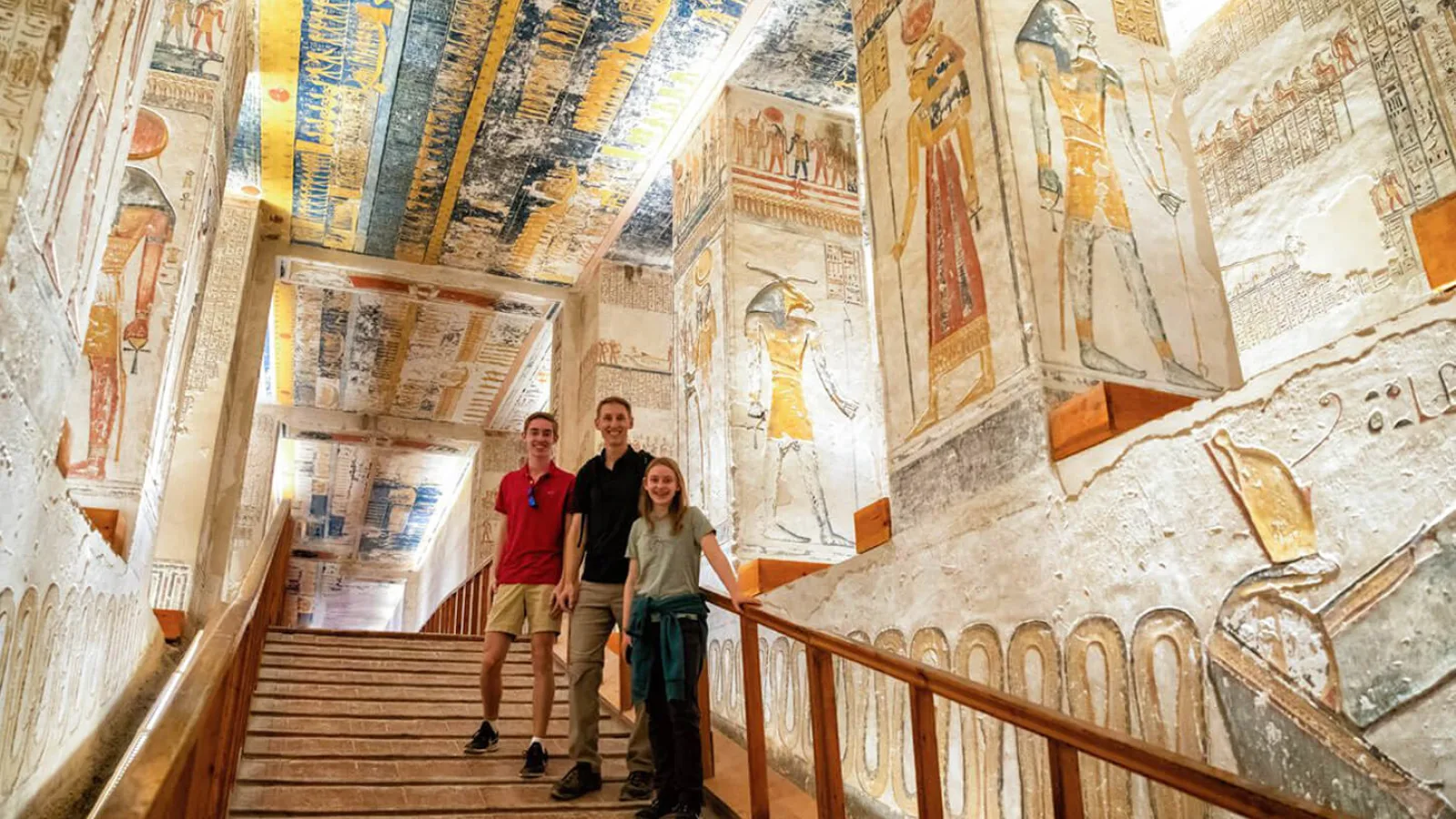
Egypt is warm, hospitable and religious — dress modestly, greet with your right hand, and tip small (baksheesh) everywhere. Egyptian culture blends deep-rooted faith, famous hospitality and everyday courtesies that are easy to get right once you know them. Nobody expects a visitor to be perfect, and a genuine attempt to respect local customs opens doors, earns smiles and makes the whole trip smoother. The essentials come down to modest dress, polite greetings, a little tipping and common-sense respect at religious sites.
We guide visitors through Egypt every week, and the travelers who enjoy the country most are rarely the ones who read a hundred rules — they're the ones who show up curious and courteous. Egyptian culture is famously welcoming: you'll be offered tea within minutes of meeting someone, waved over for a chat, and helped when you look lost. In return, Egyptians appreciate visitors who dress with a little modesty, respect the rhythm of daily prayer, and treat religious sites with care. This guide covers the customs and etiquette that actually matter on the ground — religion, dress, greetings, tipping, mosques and markets — so you can travel with confidence and connect with the people who make Egypt unforgettable.
Religion is woven into everyday life in Egypt. Around 90% of Egyptians are Muslim and roughly 10% are Coptic Christian, one of the world's oldest Christian communities, and the two have lived side by side for centuries. You'll hear the call to prayer (adhan) five times a day drifting from thousands of minarets — it's part of the soundtrack of the country, not something aimed at tourists. Fridays are the main day of communal prayer and the start of the weekend, so some shops and offices close midday. Coptic Christians follow their own calendar, and Coptic Christmas on 7 January is a public holiday celebrated with midnight mass and festive streets. Coptic Christmas in Egypt
The one period worth planning around is Ramadan, the Muslim holy month of daytime fasting. Sites and tours all run as normal, but hours shift, many restaurants stay closed until sunset, and the mood is quieter by day and joyful after the evening iftar meal. It's a fascinating time to visit if you're relaxed about the slower pace — and out of respect, avoid eating, drinking or smoking in the street during daylight. Check our seasonal guide for exact 2026 dates. Best time to visit Egypt
Tell us when you can travel and we'll suggest the ideal route and season — usually within the hour.
Chat with a local expertEgypt has no dress laws for tourists, but modest clothing is the single easiest way to show respect and avoid unwanted attention. As a rule of thumb, covering your shoulders and knees is comfortable and appropriate almost everywhere, for men and women alike. Cairo, Luxor and Aswan are conservative by day; beach resorts like Hurghada and Sharm El Sheikh are far more relaxed, and swimwear is fine at the pool and beach. Loose, breathable fabrics also keep you cooler in the heat and protected from the sun.
Egyptians are exceptionally hospitable, and greetings matter. A handshake is standard, often followed by a hand to the heart; men should wait for a woman to extend her hand first, as some prefer not to shake hands with the opposite sex for religious reasons. The all-purpose greeting is "as-salamu alaykum" (peace be upon you), and even a simple "shukran" (thank you) is warmly received. Use your right hand for eating, greeting and handing things over — the left is traditionally considered unclean. If you're invited into a home, it's polite to remove your shoes at the door and to accept the tea or food offered; refusing outright can seem cold, so at least take a little. Hospitality here is genuine, and a small gift or sincere thanks goes a long way. Experience local life in Cairo
Tipping — baksheesh — is a deep-rooted part of Egyptian culture, not just a bonus for good service. Wages in tourism and hospitality are low, and small tips are how the system works: for the person who carries your bag, points out the best photo spot, or watches over the restrooms. Keep a stack of small notes (5, 10 and 20 EGP) handy, because you'll use them constantly and change is often unavailable. In restaurants, 5–10% is normal on top of any service charge; for guides and drivers on multi-day trips, a daily tip is customary. It's polite but never obligatory, and a confident, friendly "no thank you" is fine when a tip isn't warranted. Tipping in Egypt: how much to give
★ Want the culture to come alive, not just the monuments? Traveling with an Egyptologist guide is the best bridge into local life — they read the customs for you, translate the greetings, and turn a temple visit into a story. Our tours are built around exactly that. Explore our Egypt tour packages Egypt tour packages
We'll tell you honestly what the weather and crowds are really like for your travel dates.
Chat with a local expertEgypt's mosques and churches are living places of worship as well as sights, and a few simple courtesies let you visit respectfully. At mosques, dress modestly and remove your shoes before stepping onto the carpet; women should cover their hair with a scarf, and many mosques keep loaner robes for visitors. Avoid visiting during the five daily prayer times, and especially the main Friday midday prayer, when spaces fill with worshippers. Speak quietly, ask before photographing people at prayer, and don't walk in front of anyone praying. The same respect applies in Coptic churches and monasteries — modest dress, quiet voices, and no flash near icons. Historic Islamic Cairo and Coptic Cairo are highlights of any trip, and a good local guide makes the etiquette effortless. Coptic Cairo guide Cairo day tours
Haggling is expected in Egypt's souks and bazaars — it's a friendly ritual, not a confrontation. In markets like Khan El Khalili, the first price is an opening offer, and part of the fun is the back-and-forth over a glass of tea. Stay smiling and good-humored: counter at roughly half the asking price and settle somewhere in the middle, and if the number never feels right, it's perfectly fine to thank the seller and walk away. Fixed-price shops, malls and supermarkets don't haggle, so save your bargaining energy for the bazaars and craft stalls. Cairo shopping guide Khan El Khalili guide
Local tip: agree the price before anything is wrapped, decide your top figure before you start, and never feel pressured — a relaxed, unhurried buyer always gets the better deal. What to buy in Egypt
Food is at the heart of Egyptian hospitality, and sharing a meal is one of the fastest ways to feel the culture. Meals are social and generous — expect to be urged to eat more, and take it as the compliment it is. Bread (aish, which also means "life") is treated with real respect and never wasted or placed on the floor. Use your right hand for eating and for tearing shared bread, and if you're a guest in a home, a second helping delights your host far more than polite restraint. From koshari street stalls to a home-cooked feast, saying yes to the food is saying yes to the welcome. Egyptian food to try Dining on a Nile cruise
★ Prefer a trip shaped around you? Tell us how you like to travel and we'll build a private, tailor-made Egypt itinerary — with the guides, pace and cultural experiences that suit you best. Plan a tailor-made Egypt tour Tailor-made Egypt tour

Sail from Aswan to a Nubian village and learn about the culture, diverse traditions, and hospitality of the Nubians. You will enjoy one of the most un...
Experience a rich blend of ancient and modern history on a Day Tour to the Pyramids Cairo, exploring the iconic Giza Pyramids one of the Seven Wonders...
 Travel Tips for Egypt
 See the Pyramids of Giza, cruise the Nile between Luxor and Aswan, and dive the Red Sea — Egypt's three signat...
 Travel Tips for Egypt
 Yes — Egypt's Red Sea is genuinely world-class, with warm water, superb visibility and reefs and wrecks for ev...
 Travel Tips for Egypt
 A private Egyptologist, a 5-star Nile cruise or dahabiya, skip-the-line access and the country's finest herita...
Get our best Egypt travel tips and itineraries in your inbox — join our travel list.