Things to Do in Egypt: 12 Unmissable Experiences (2026)
See the Pyramids of Giza, cruise the Nile between Luxor and Aswan, and dive the Red Sea — Egypt's three signat...
Read article
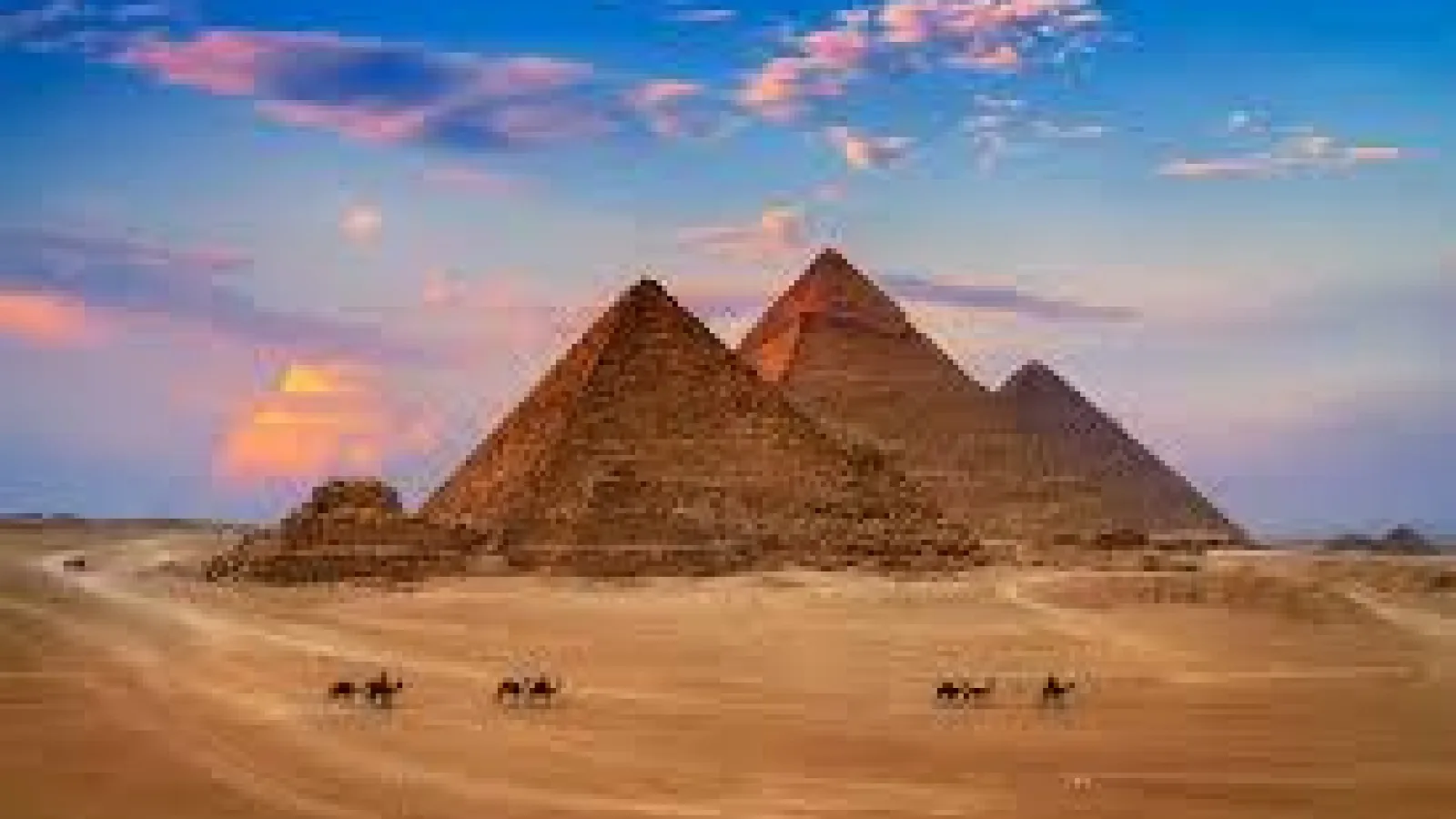
Yes — for tourists Egypt is generally safe, and millions visit every year without incident. The Nile Valley, the Red Sea resorts and the classic sightseeing route through Cairo, Luxor and Aswan are well-established tourist areas that welcome travellers year-round. As anywhere, you'll want the same common-sense precautions you'd use in any busy foreign country: watch your belongings, be firm with persistent touts, drink bottled water, and check your government's official travel advisory before you fly. We guide visitors here every week, and the honest picture is reassuring — but it pays to know what to expect.
"Is Egypt safe?" is the question we're asked more than any other, and we understand why. The honest answer, from people who work on the ground here every day, is that Egypt is generally safe for tourists and has been for years. The classic route through Cairo, Luxor and Aswan, the Nile cruises and the Red Sea resorts are the backbone of the country's economy — well-run, heavily visited and used to looking after international travellers. That doesn't mean you can switch your judgement off: petty scams, pushy vendors and the usual big-city pickpocketing are real. This guide gives you the balanced picture — where Egypt is genuinely safe, where to be a little more careful, and the habits that keep the vast majority of visits trouble-free.
For the average tourist sticking to the well-trodden route, Egypt is a low-risk destination in day-to-day terms. Violent crime against foreigners is rare, and the main tourism corridors — the Giza plateau, central Luxor and Aswan, the temples along the Nile, and the Red Sea coast — see a visible security presence at major sites, airports and checkpoints. What you're far more likely to encounter is minor hassle rather than danger: persistent souvenir sellers, taxi drivers quoting inflated fares, and the occasional pickpocket in a crowded souk. Cairo is a huge, busy city, so the same street sense you'd apply in any major capital applies here too — keep valuables zipped away and stay aware in crowds. Is Cairo safe — things to do in Cairo
One thing worth saying plainly: security conditions can change, and we won't speak for any government. Before you travel, read the official advisory for your own country (the UK FCDO, the US State Department, or your national equivalent), which is updated regularly and covers specific regions in detail — a far more reliable source than rumour or old headlines.
Tell us when you can travel and we'll suggest the ideal route and season — usually within the hour.
Chat with a local expertYes — solo female travellers come to Egypt all the time and have wonderful trips, but we'll be honest rather than give you a glossy answer: unwanted attention and verbal harassment do happen, particularly in busy city areas and markets. It rarely goes beyond staring, comments or overly persistent vendors, but it can be wearing. The good news is that a few practical habits make a real difference, and most women who prepare for it tell us the hassle was minor next to how rewarding the trip was.
Local tip: a great many solo women choose a small-group or private guided tour for at least their first few days. Having a local guide beside you removes almost all the hassle at once — vendors and touts simply don't approach, and you can relax into the sightseeing.
The overwhelming majority of Egypt's tourism happens in areas considered safe and visited by huge numbers of travellers every year. Where caution is advised, it tends to be remote regions well away from the classic itinerary — parts of the Sinai interior (as opposed to the coastal resorts of Sharm El Sheikh and Dahab, which operate normally), the far Western Desert near the Libyan border, and some southern desert zones near other borders. These aren't places a standard Egypt trip would take you anyway. Rather than list specifics that date quickly, we'll point you back to the official advisories, which flag restricted areas region by region and are kept current. Planning independent desert or border travel? Check them carefully and go with a licensed operator who knows the permit situation.
For the classic sightseeing trip — Cairo and Giza, a Nile cruise between Luxor and Aswan, and the Red Sea for diving or beach time — you'll be in the country's most established and best-protected tourism zones throughout. Luxor & Aswan Nile cruises
★ Want the reassurance of a fully organised trip? Our guided Egypt tour packages handle transport, licensed guides and vetted hotels end to end — so safety and logistics are sorted before you land. Browse our Egypt tour packages Egypt tour packages
We'll tell you honestly what the weather and crowds are really like for your travel dates.
Chat with a local expertThe thing most likely to sour a day in Egypt isn't danger — it's the small, persistent hustles aimed at tourists. None are serious if you know the pattern in advance, and staying good-humoured but firm handles nearly all of them.
Most health hiccups in Egypt are minor and preventable. The tap water is the big one: don't drink it. Stick to sealed bottled water — cheap and everywhere — and use it for brushing teeth too if your stomach is sensitive. Egyptian food is a highlight of any trip, and busy, popular places with high turnover are your safest bet: hot, freshly cooked dishes over anything left sitting out. Be a little cautious with raw salads and with ice from unknown sources early on, while your system adjusts.
None of this is complicated — it's the same sensible kit of habits that serves you well anywhere, tuned slightly for Egypt.
You can absolutely see Egypt independently, and plenty do. But the single biggest reason our guests tell us they felt safe and relaxed is simply that someone local was handling everything. A licensed guide and private driver take the friction out of the day: no haggling with taxis, no scams at the gate, no wondering which entrance is real. Guides read situations you'd miss, keep the touts at bay, and know exactly where you should and shouldn't go. For solo travellers, families and first-timers especially, that support turns a trip you might approach nervously into one you enjoy from the first morning. Luxor day tours Aswan day tours
It also smooths the practical worries — airport pickups, internal flights, cruise check-ins and transfers all arranged, so you're never stranded working out logistics in an unfamiliar place. If you'd rather map the classic route yourself first, our sample itinerary is a good starting point. 7-day Egypt itinerary
★ Prefer a trip built around your comfort level? Tell us your worries and your wish list, and we'll design a private, fully guided Egypt tour at your pace — with safety and support handled every step. Plan a tailor-made Egypt tour Tailor-made Egypt tour
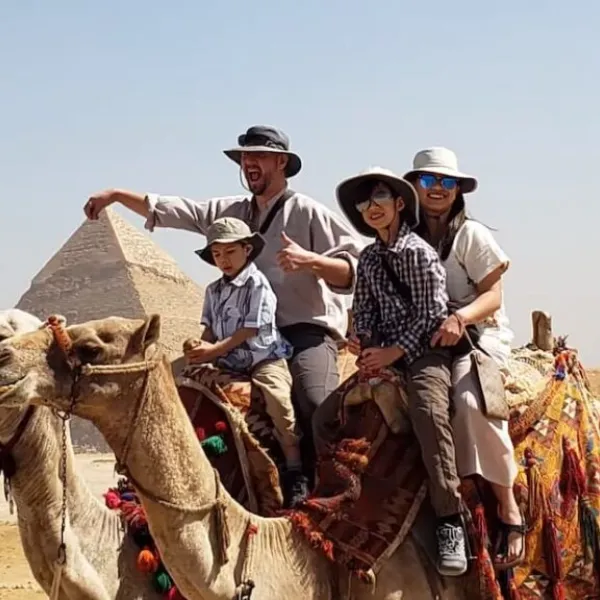 Travel Tips for Egypt
 See the Pyramids of Giza, cruise the Nile between Luxor and Aswan, and dive the Red Sea — Egypt's three signat...
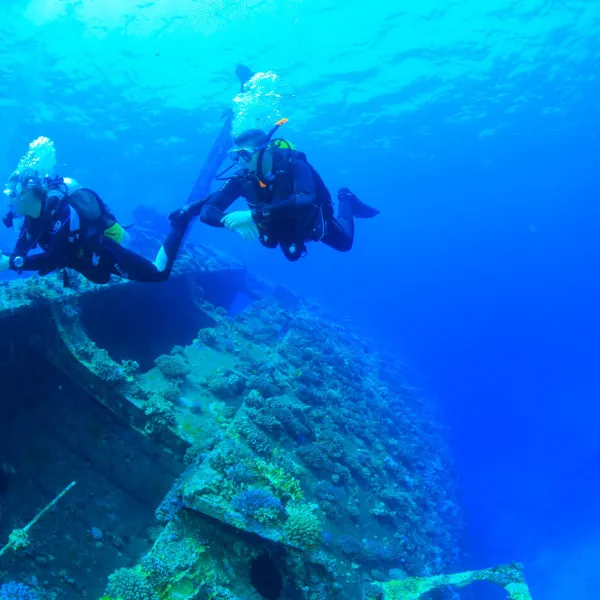 Travel Tips for Egypt
 Yes — Egypt's Red Sea is genuinely world-class, with warm water, superb visibility and reefs and wrecks for ev...
 Travel Tips for Egypt
 A private Egyptologist, a 5-star Nile cruise or dahabiya, skip-the-line access and the country's finest herita...
Get our best Egypt travel tips and itineraries in your inbox — join our travel list.